Charcoal vs Gas vs Pellet Grills
Published How we research
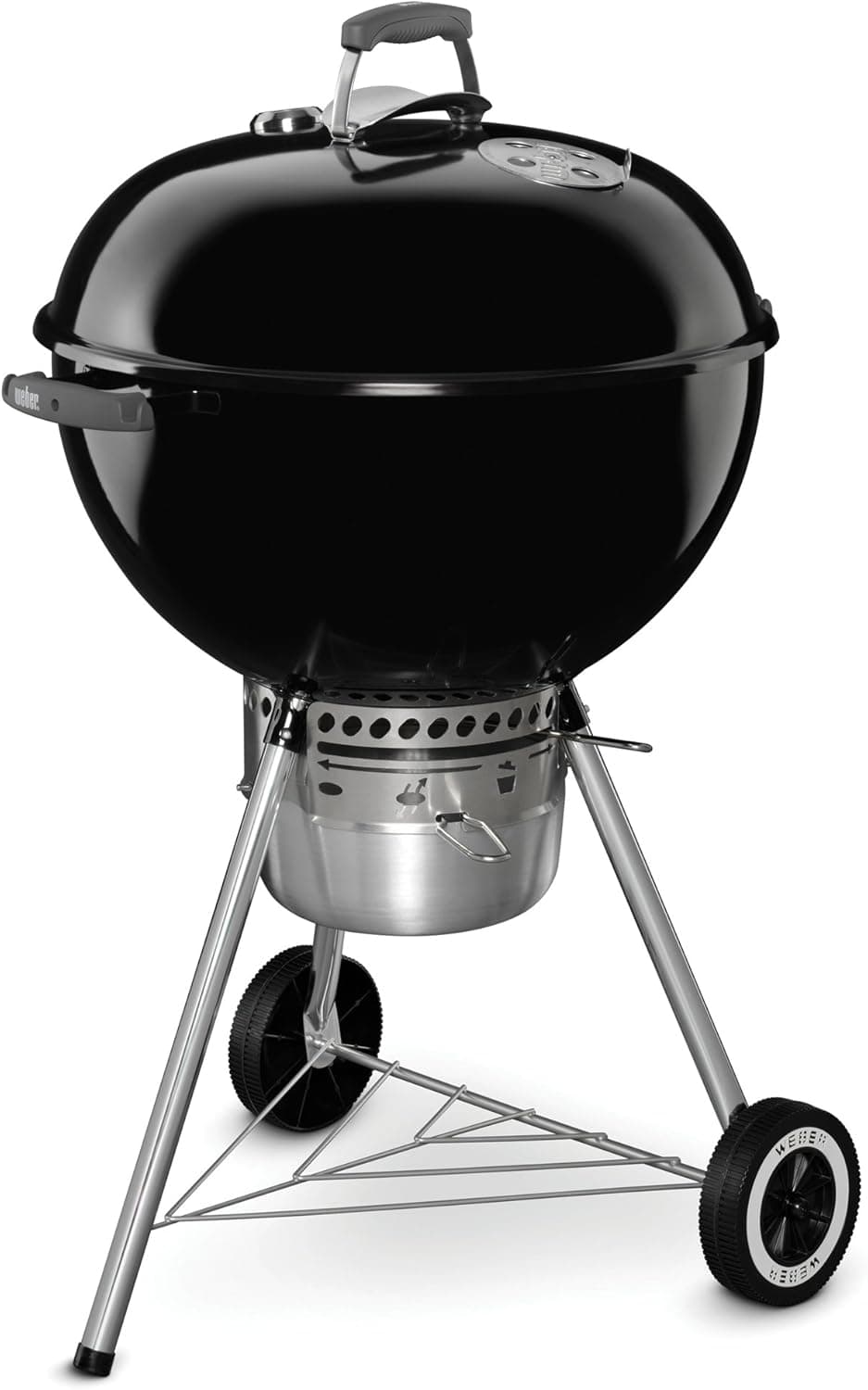
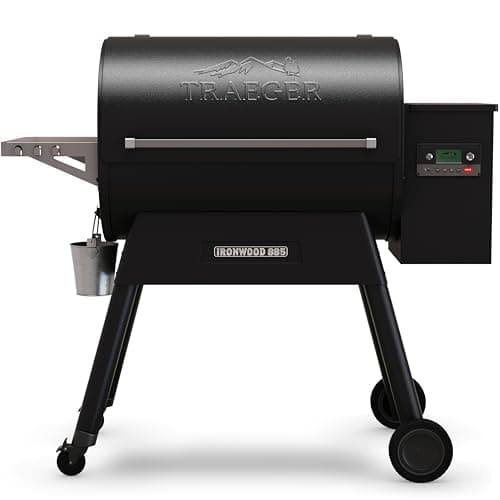
The three most common backyard cookers all put heat under your food, but they get there in very different ways. Charcoal burns lump or briquettes for high heat and a distinct smoky flavor. Gas grills run on propane or natural gas for instant, controllable heat. Pellet grills feed compressed wood pellets into a fire pot with an electric auger, blending the convenience of gas with real wood smoke.
Products from this article
The highest-scoring picks from the buying guides this article links to. Scores are our editorial assessment, not customer ratings.
+ Premium version adds convenience upgrades over the base kettle, like easier ash cleanup
From our guide: Best Charcoal Grills for Serious Flavor (2026)
+ Super Premium grade features very large lumps for long, steady burns
From our guide: Best Lump Charcoal (2026)
+ Super Smoke Mode and the D2 controller are listed for steady smoke flavor and consistent temperatures.
From our guide: Best Pellet Grills for Backyard Cooks (2026)
+ Proven kettle design gives reliable heat control through top and bottom vents
From our guide: Best Charcoal Grills for Serious Flavor (2026)


Charcoal is the traditionalist's choice. It reaches searing temperatures, delivers the flavor most people associate with grilling, and the equipment itself is inexpensive. The tradeoffs are a longer startup, more cleanup, and a learning curve for holding a steady temperature. If you enjoy the ritual and want maximum heat for steaks and burgers, charcoal rewards the effort.
Gas is about speed and predictability. Turn a knob, press the igniter, and you are cooking in minutes. Multiple burners make it easy to set up hot and cool zones, and shutdown is as simple as closing the lid and turning off the fuel. You give up some of the deep smoke flavor, but for weeknight dinners and cooks where convenience matters most, gas is hard to beat.
Pellet grills shine at low-and-slow cooking. Their thermostatic controllers hold a target temperature for hours, which makes them excellent for ribs, pork shoulder, and brisket. Because they rely on electricity and moving parts, they need a power source and a bit more maintenance, and most struggle to reach the extreme searing heat of charcoal.
Think about how you cook before you buy. If you crave weekend smoking projects, a pellet grill or a dedicated smoker makes sense. If you want fast, reliable dinners, gas is the workhorse. If flavor and high heat are your priority and you do not mind the extra work, charcoal is the classic answer. Many enthusiasts eventually own more than one because each does something the others cannot.
Whatever you choose, buy the largest quality cooker your space and budget allow, and prioritize solid build over gadgets. A well-made grill of any type, learned deeply, will out-cook a feature-packed model you never fully understand.
At a glance: Charcoal vs Gas
| Charcoal | Gas | |
|---|---|---|
| Startup | 15-20 minutes to light coals | Minutes |
| Max heat | Very high searing heat | High, varies by burner |
| Flavour | Smoky, easy to add wood | Cleaner, smoke boxes help a bit |
| Temperature control | Vents and coal placement | Knobs |
| Cleanup | Ash disposal | Grease tray |
| Running cost | Charcoal adds up with frequent use | Propane or natural gas |
Choose Charcoal if
- Flavour and searing matter most
- You enjoy tending a fire
- You also want to smoke on the same grill
Choose Gas if
- You grill on busy weeknights
- You want precise, quick control
- Charcoal is not allowed where you live
Bottom line: If you grill often on weeknights, gas is the practical choice. If flavour and the process matter, a charcoal kettle or kamado gives more for less money.
Popular right now
- Best Vertical Pellet Smokers for Big-Batch BBQ (2026)Buying guide
- Flare-up explainedGlossary
- Best Kettle Grills for Classic Charcoal Cooking (2026)Buying guide
- Best Charcoal Baskets (2026)Buying guide
- Best Kamado Grills for Versatile Outdoor Cooking (2026)Buying guide
- How to Smoke a Turkey for ThanksgivingArticle
Based on the last 28 days of search and visitor data.