How to Choose Your First Grill
Published How we research
Buying your first grill can feel overwhelming given the sheer number of options, but the decision gets much simpler once you focus on how you actually plan to cook. The best first grill is not the one with the most features or the flashiest marketing, but the one that matches your habits, your space, and your patience. A few honest questions point you to the right choice.
Products from this article
The highest-scoring picks from the buying guides this article links to. Scores are our editorial assessment, not customer ratings.
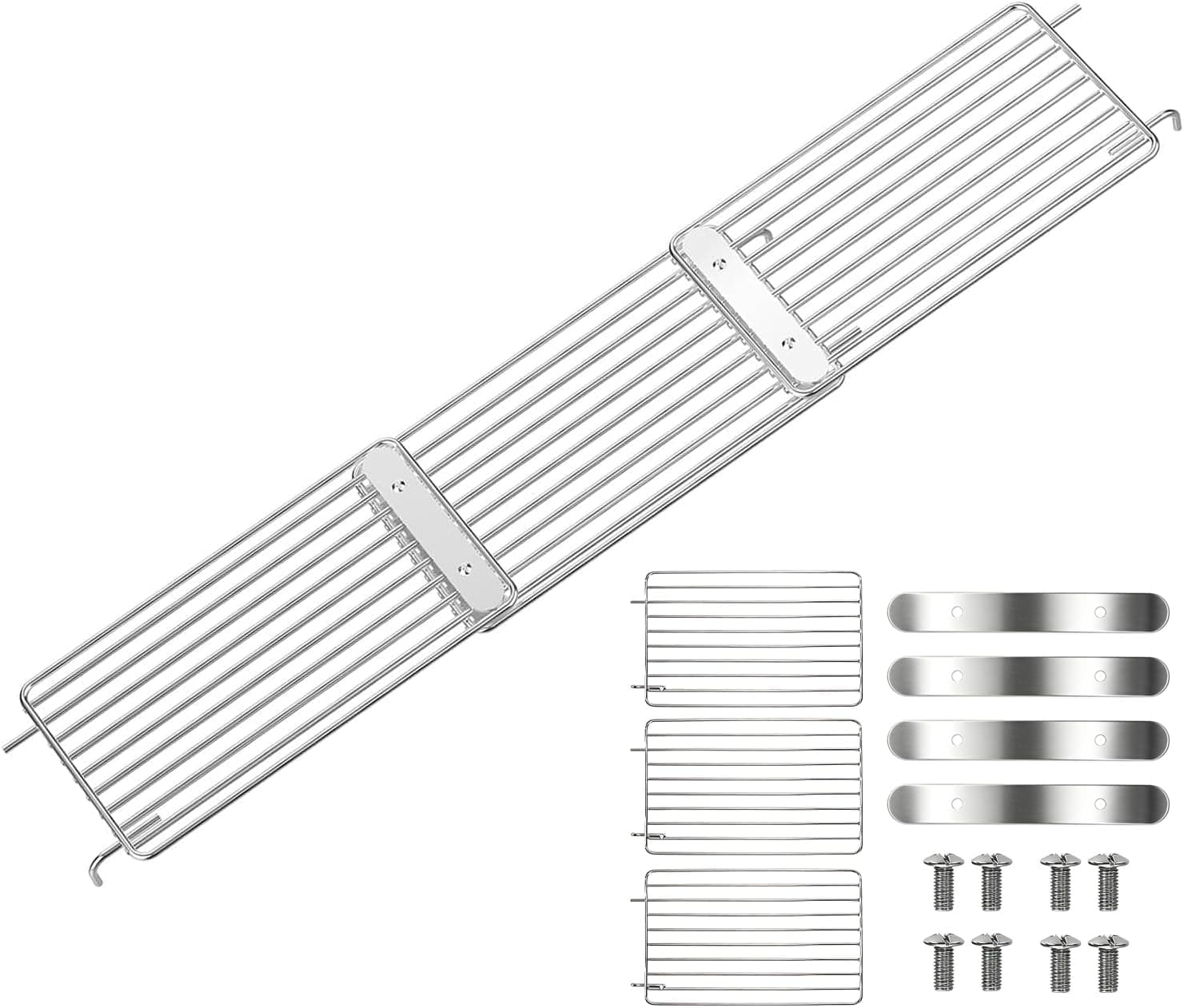
+ 15.75-37 in range fits small kettles through large gas grills
From our guide: Best Grill Warming Racks (2026)
+ Proven Genesis platform gives even heat across a generous cooking area
From our guide: Best Gas Grills for Everyday Backyard Cooking (2026)
+ Water Bowl keeps meat moist and helps stabilize low temperatures
From our guide: Best Bullet Smokers for Compact Charcoal Smoking (2026)
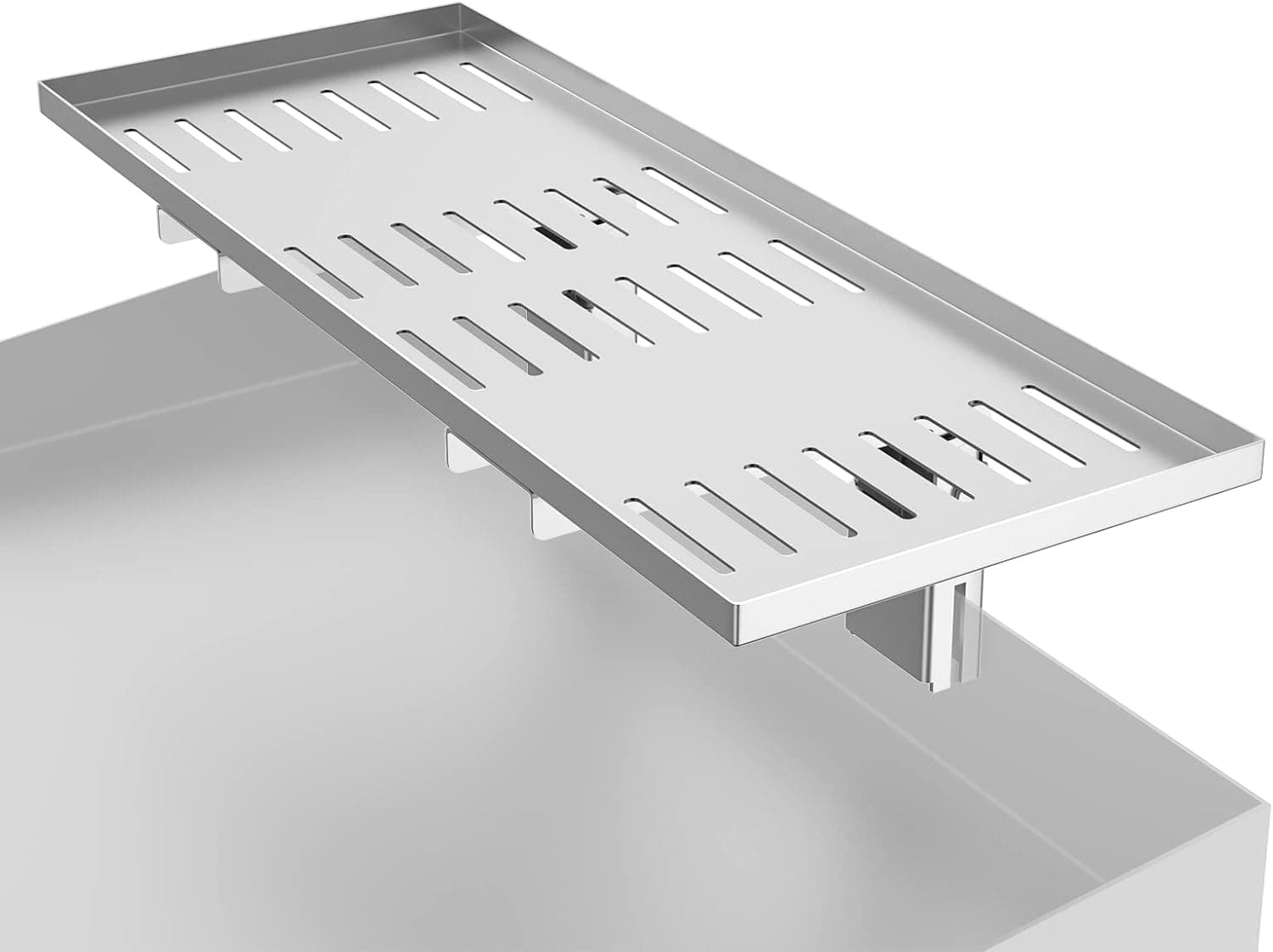
+ Fits Blackstone 17/22/28/36 griddles and Pit Boss models
From our guide: Best Grill Warming Racks (2026)
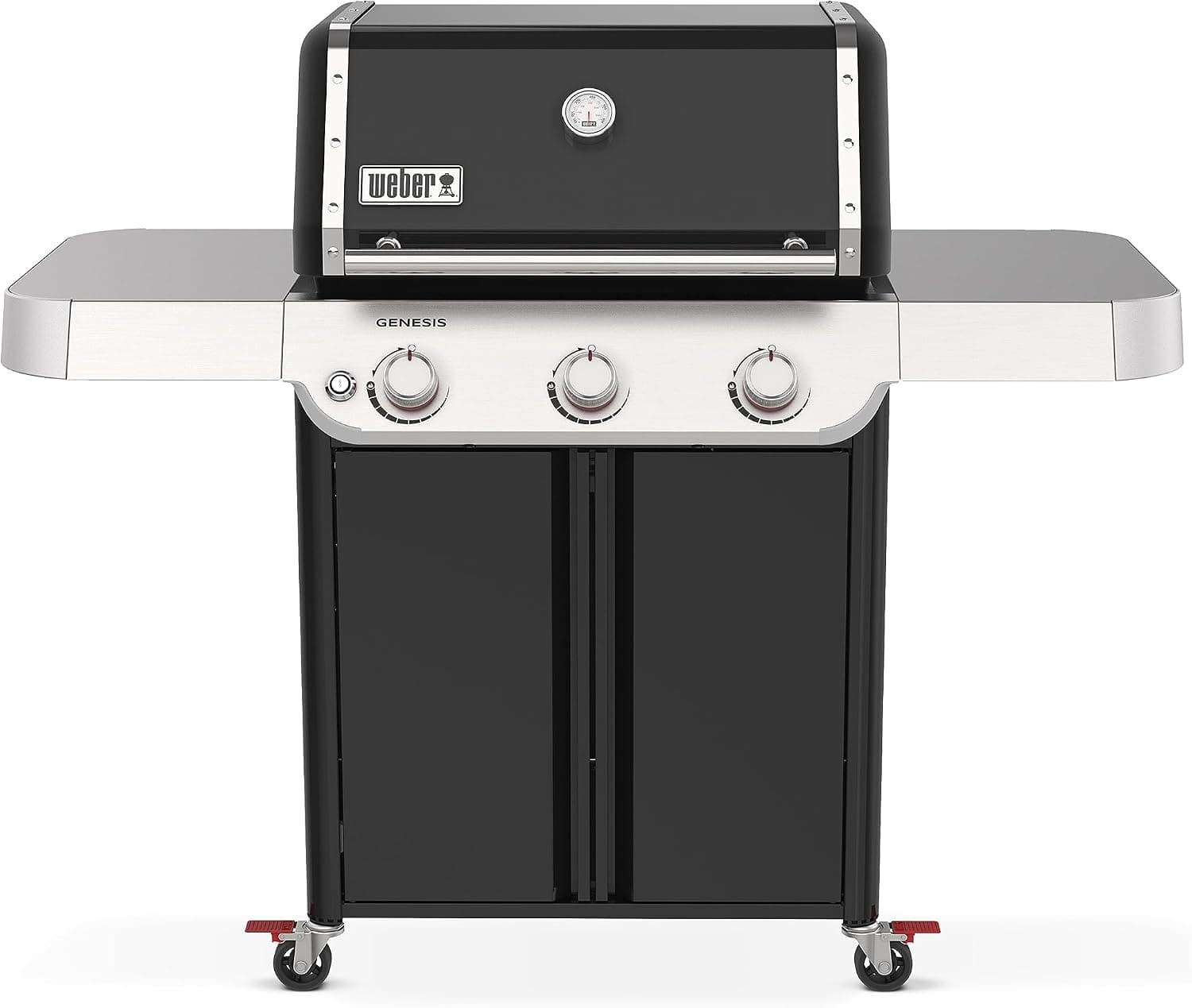
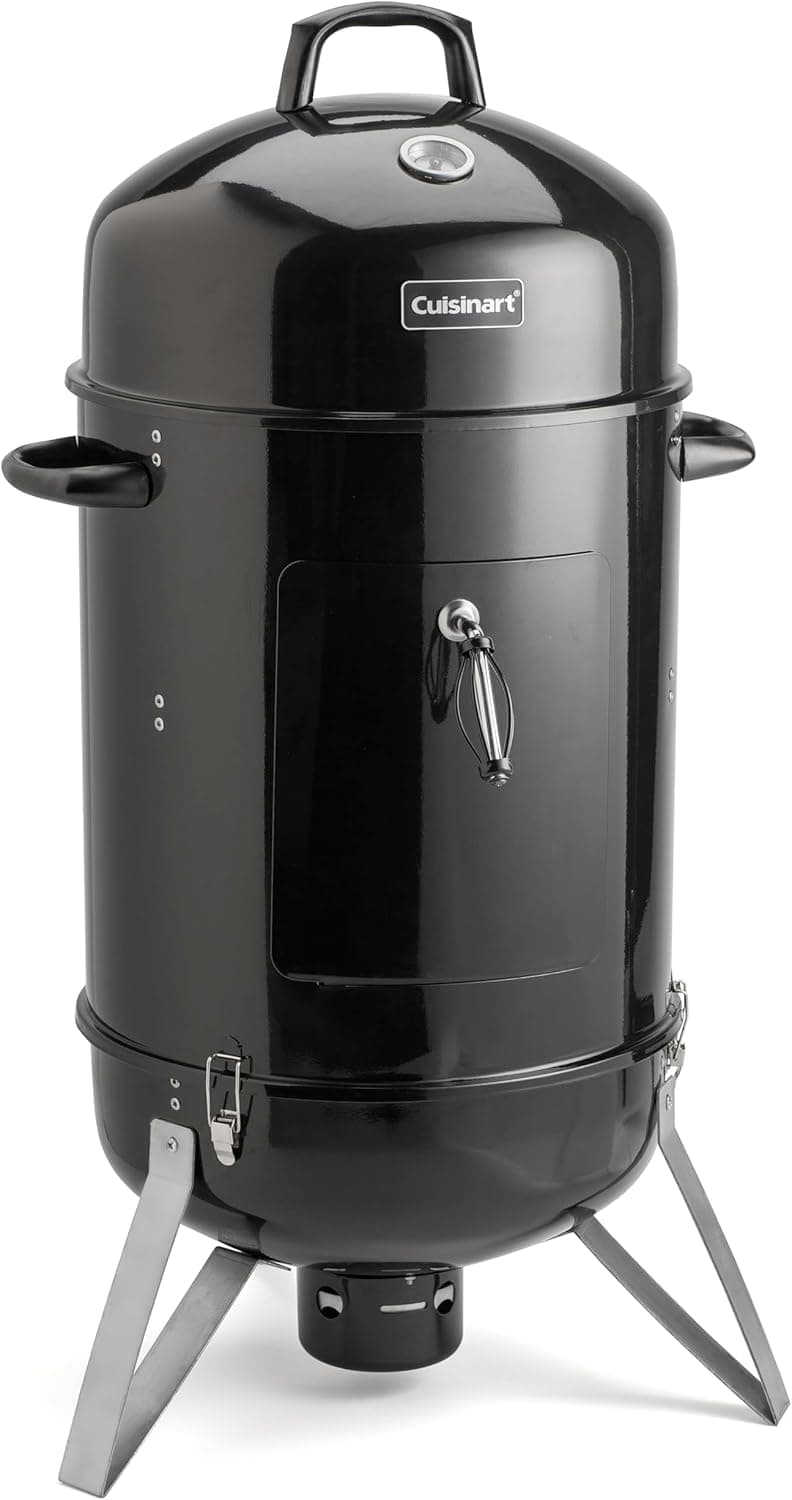
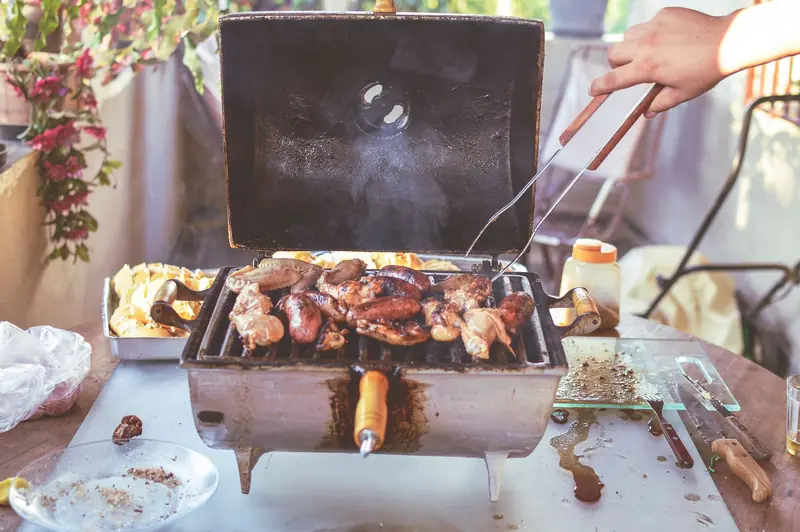
Start with the fundamental fuel decision. Charcoal delivers high heat and classic smoky flavor for a low equipment cost, but it takes longer to start and more effort to clean. Gas offers speed, convenience, and easy temperature control at a higher purchase price, ideal for quick weeknight cooking. Pellet grills add hands-off wood smoke and shine for low-and-slow, but they cost more and need electricity. Be honest about whether you value flavor and ritual or speed and convenience.
Size is the next consideration. Think about how many people you usually cook for and how much space you have to store and use the grill. A larger cooking area gives you room for a two-zone fire and bigger gatherings, but an oversized grill wastes fuel and space if you mostly cook for one or two. Balance capacity against your realistic needs.
Build quality matters more than gadgets. A heavy, well-constructed grill with thick metal holds heat better, resists warping and rust, and lasts for years. Cheaply made grills with thin walls struggle to maintain temperature and often need replacing quickly. When comparing options in your budget, favor solid construction and good materials over a long list of accessories you may never use.
Set a realistic budget that includes the extras. Beyond the grill itself, you will want basics like a chimney starter or fuel, a sturdy grill brush or scraper, a good thermometer, and a cover to protect it. Factoring these in prevents sticker shock and ensures you can actually use the grill well from day one.
Finally, buy from a reputable maker with available replacement parts, since grates, burners, and igniters wear out over time. A grill you can maintain and repair will serve you far longer than a sealed unit you must toss when one part fails. Choose thoughtfully, learn your grill deeply, and it will reward you for many seasons.
Popular right now
- Best Vertical Pellet Smokers for Big-Batch BBQ (2026)Buying guide
- Flare-up explainedGlossary
- Best Kettle Grills for Classic Charcoal Cooking (2026)Buying guide
- Best Charcoal Baskets (2026)Buying guide
- Best Kamado Grills for Versatile Outdoor Cooking (2026)Buying guide
- How to Smoke a Turkey for ThanksgivingArticle
Based on the last 28 days of search and visitor data.