How to Control Smoker Temperature and Hold It Steady
Published How we research
Smoker temperature control comes down to managing airflow through intake and exhaust vents, making small adjustments and waiting ten to fifteen minutes before judging the effect. Start with less fire than you think you need, using a minion or snake coal arrangement to extend burn time and smooth swings. A water pan adds thermal mass that buffers temperature changes and adds humidity. Trust a separate probe thermometer at grate level over the factory dial gauge, and account for wind and cold weather. Resist opening the lid, since every peek releases heat and extends the cook. A smoker is essentially a controlled fire, and controlling that fire comes down to managing airflow and fuel. Fire needs oxygen to burn, so the intake and exhaust vents on your cooker are the primary throttle. Learning to read and adjust them is the core skill of low-and-slow cooking.
Products from this article
The highest-scoring picks from the buying guides this article links to. Scores are our editorial assessment, not customer ratings.
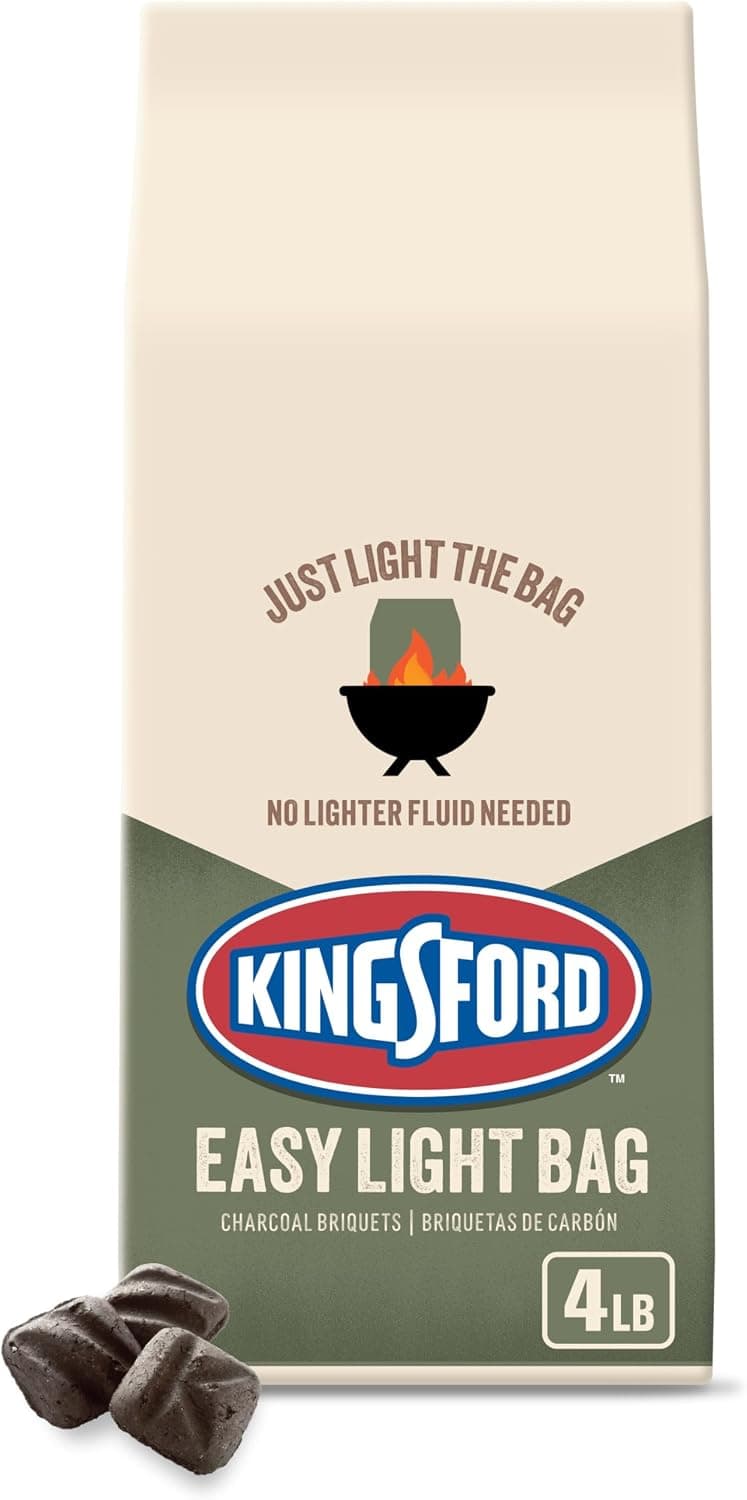
+ Two 16.7 lb bags supply a whole season of weekend cooks
From our guide: Best Charcoal Briquettes (2026)
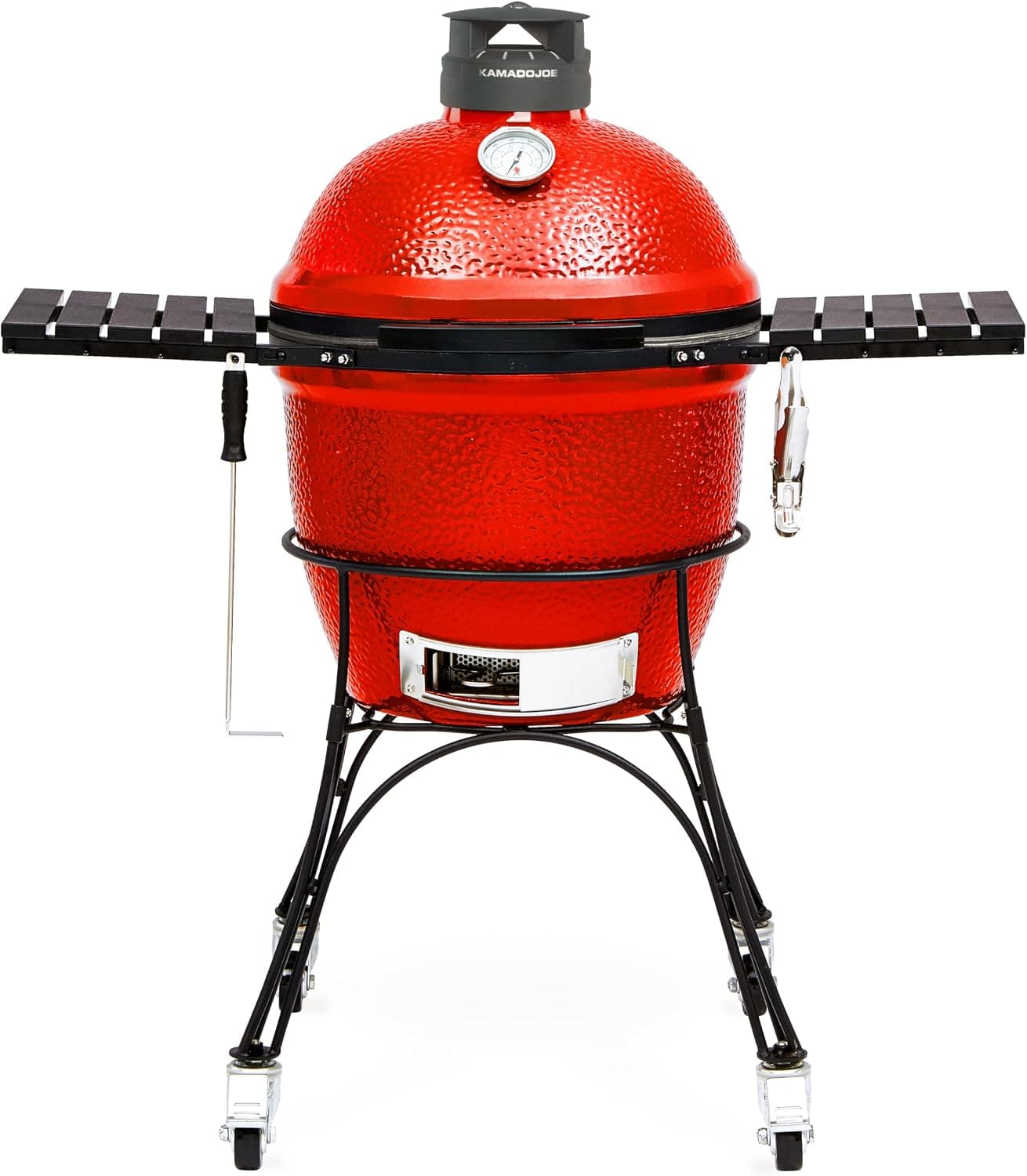
+ Series II remains a capable ceramic kamado for smoking, grilling and baking
From our guide: Best Kamado Smokers for Efficient Low-and-Slow (2026)
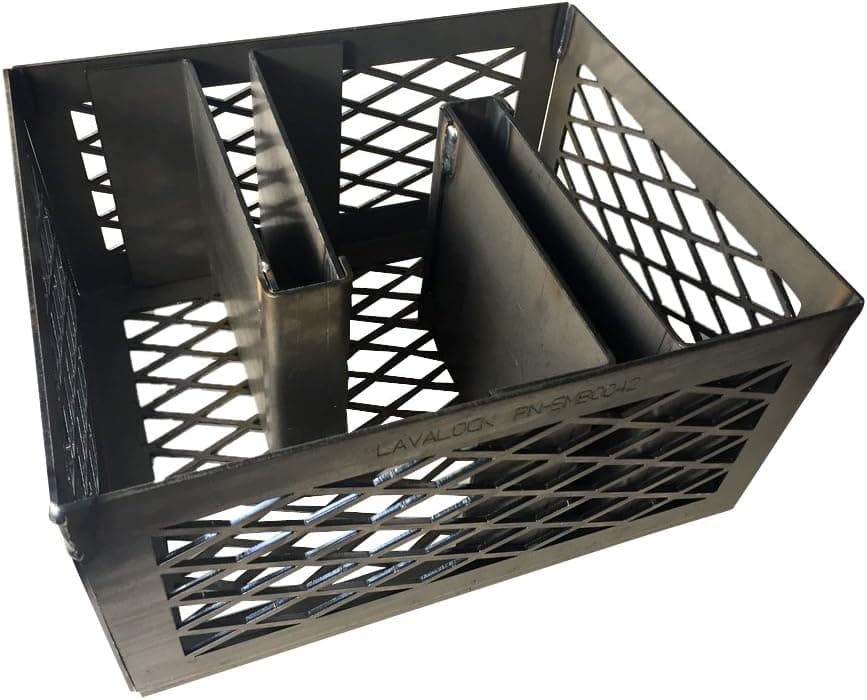
+ 2 Maze Bars guide the burn for extended smoking sessions
From our guide: Best Charcoal Baskets (2026)
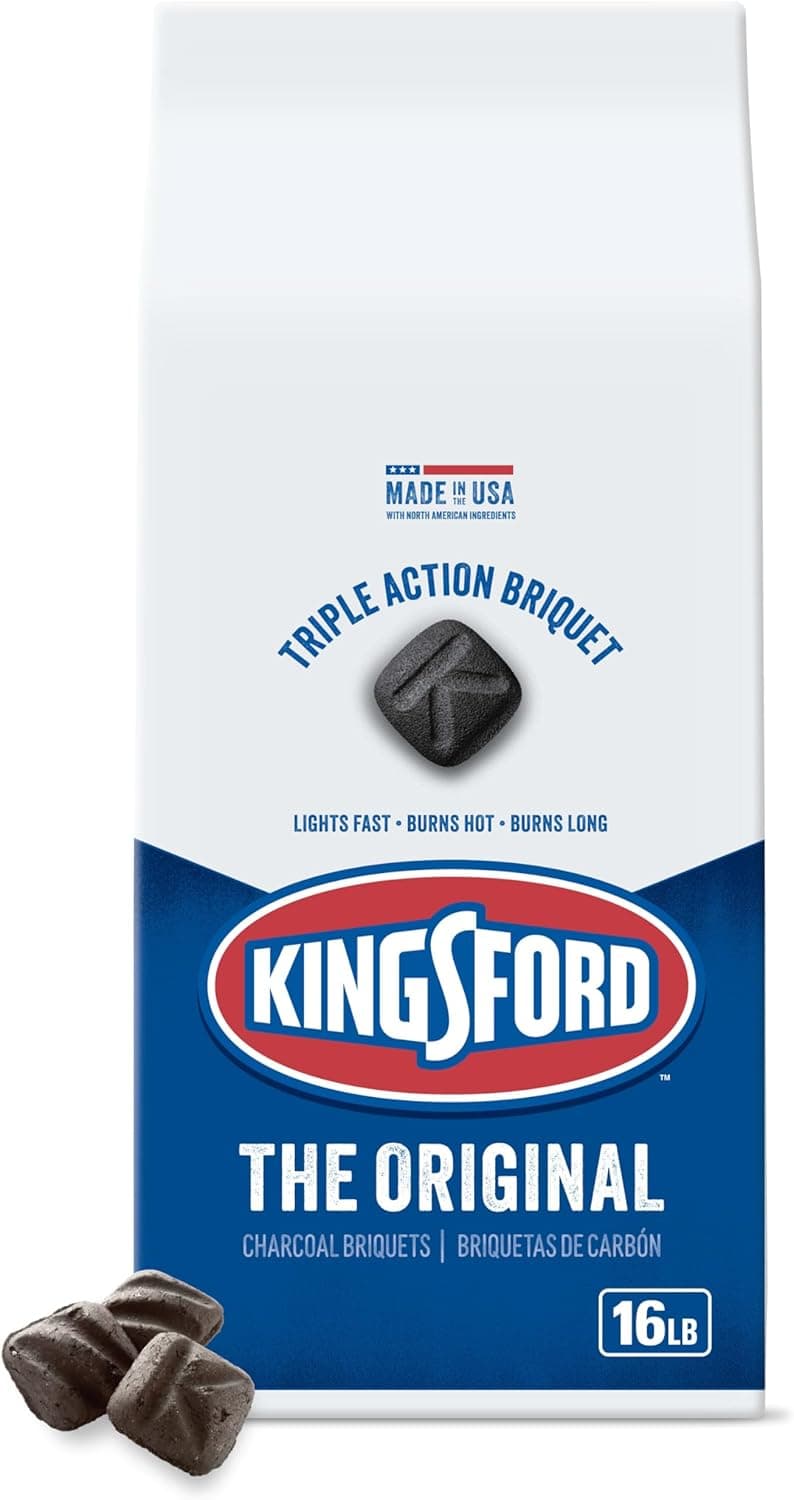
+ Original briquettes burn evenly for steady temperatures
From our guide: Best Charcoal Briquettes (2026)

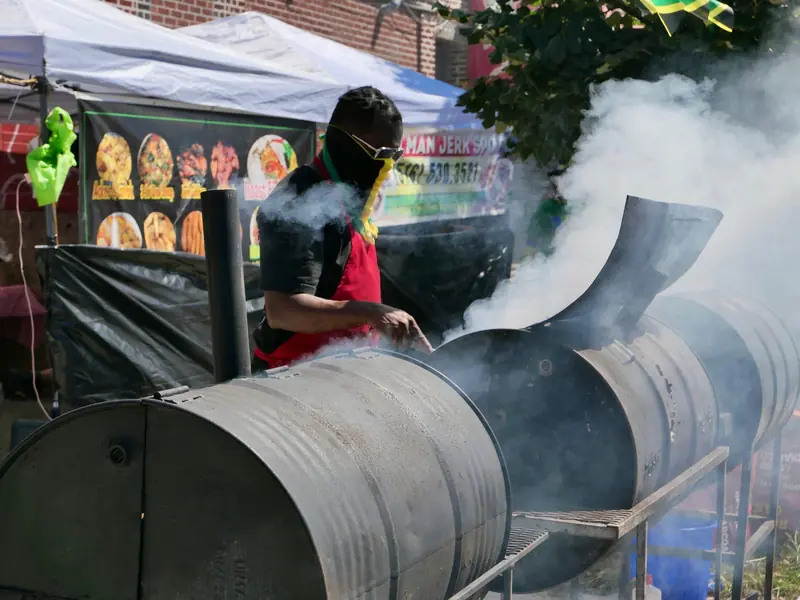
Airflow through vents is the primary throttle
On most charcoal smokers, you set the exhaust vent mostly open and use the intake vent to fine-tune the burn. Opening the intake feeds more oxygen and raises the temperature; closing it starves the fire and lowers the heat. Make small adjustments and wait ten to fifteen minutes to see the effect, because chasing the temperature with big swings usually overshoots.
Start with less fire than you think you need
Start with less fire than you think you need. It is far easier to open a vent and bring the temperature up than to cool a raging fire back down. A common method is the minion or snake arrangement, where a small number of lit coals slowly ignite a larger bed of unlit fuel, extending burn time and smoothing out temperature swings over long cooks.
Thermal mass helps temperature stability
Thermal mass helps stability. A water pan in the cooking chamber absorbs and releases heat, buffering the temperature against sudden changes and adding humidity that keeps the meat surface moist. Heavier, well-insulated smokers naturally hold temperature better than thin ones, which is why cheap offset smokers are notoriously twitchy.
Trust good thermometers over the factory gauge
Trust good thermometers over the factory dial gauge, which is often inaccurate and reads the dome temperature rather than the grate. Place a probe at grate level near the food to know what your meat actually experiences. Also account for wind and cold weather, which pull heat away and force the fire to work harder.
Resist the urge to open the lid
Finally, resist the urge to open the lid. Every time you peek, you release heat and smoke and extend your cook. Set your vents, monitor from your thermometers, and let the smoker do its job. Steady beats fast every time.
Frequently asked questions
How do you control temperature on a charcoal smoker? Set the exhaust vent mostly open and use the intake vent to fine-tune the burn, making small adjustments and waiting ten to fifteen minutes to see the effect rather than chasing temperature with big swings.
What is the minion or snake method for smoking? An arrangement where a small number of lit coals slowly ignite a larger bed of unlit fuel, extending burn time and smoothing out temperature swings over long cooks.
Why does a water pan help smoker temperature control? It absorbs and releases heat, buffering the temperature against sudden changes, while also adding humidity that keeps the meat surface moist.
Should I trust my smoker's built-in temperature gauge? No, trust a separate probe thermometer placed at grate level near the food instead, since the factory dial gauge is often inaccurate and reads dome temperature rather than what the meat actually experiences.
Popular right now
- Best Vertical Pellet Smokers for Big-Batch BBQ (2026)Buying guide
- Flare-up explainedGlossary
- Best Kettle Grills for Classic Charcoal Cooking (2026)Buying guide
- Best Charcoal Baskets (2026)Buying guide
- Best Kamado Grills for Versatile Outdoor Cooking (2026)Buying guide
- How to Smoke a Turkey for ThanksgivingArticle
Based on the last 28 days of search and visitor data.