Direct vs Indirect Heat
Published How we research
Nearly every grilling technique comes down to one basic choice: direct heat or indirect heat. Direct heat means the food sits right over the fire or burner, cooking fast and hot. Indirect heat means the food sits away from the flame and cooks in the surrounding hot air, more like an oven. Knowing when to use each is what separates confident cooks from frustrated ones.
Products from this article
The highest-scoring picks from the buying guides this article links to. Scores are our editorial assessment, not customer ratings.
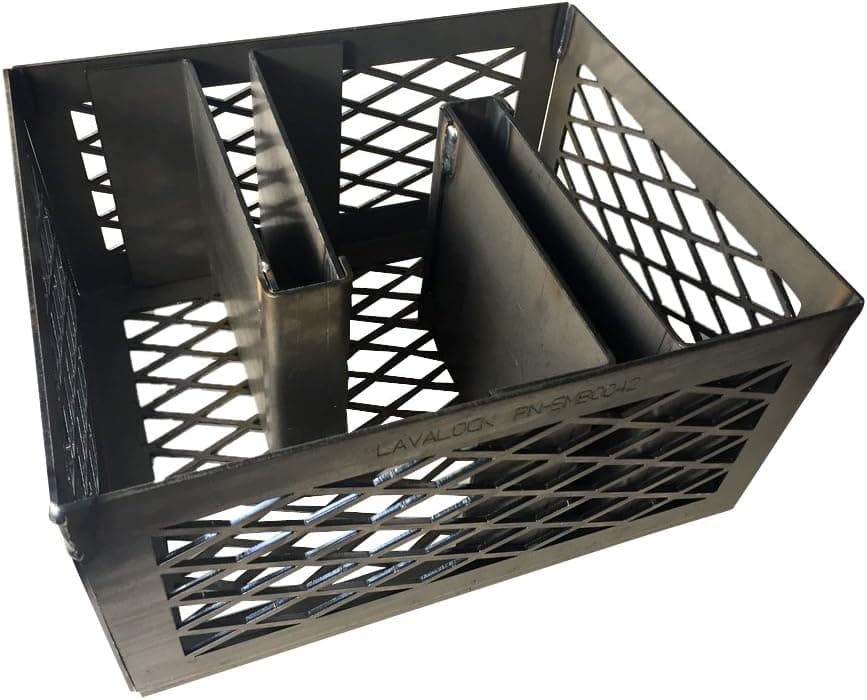
+ 2 Maze Bars guide the burn for extended smoking sessions
From our guide: Best Charcoal Baskets (2026)
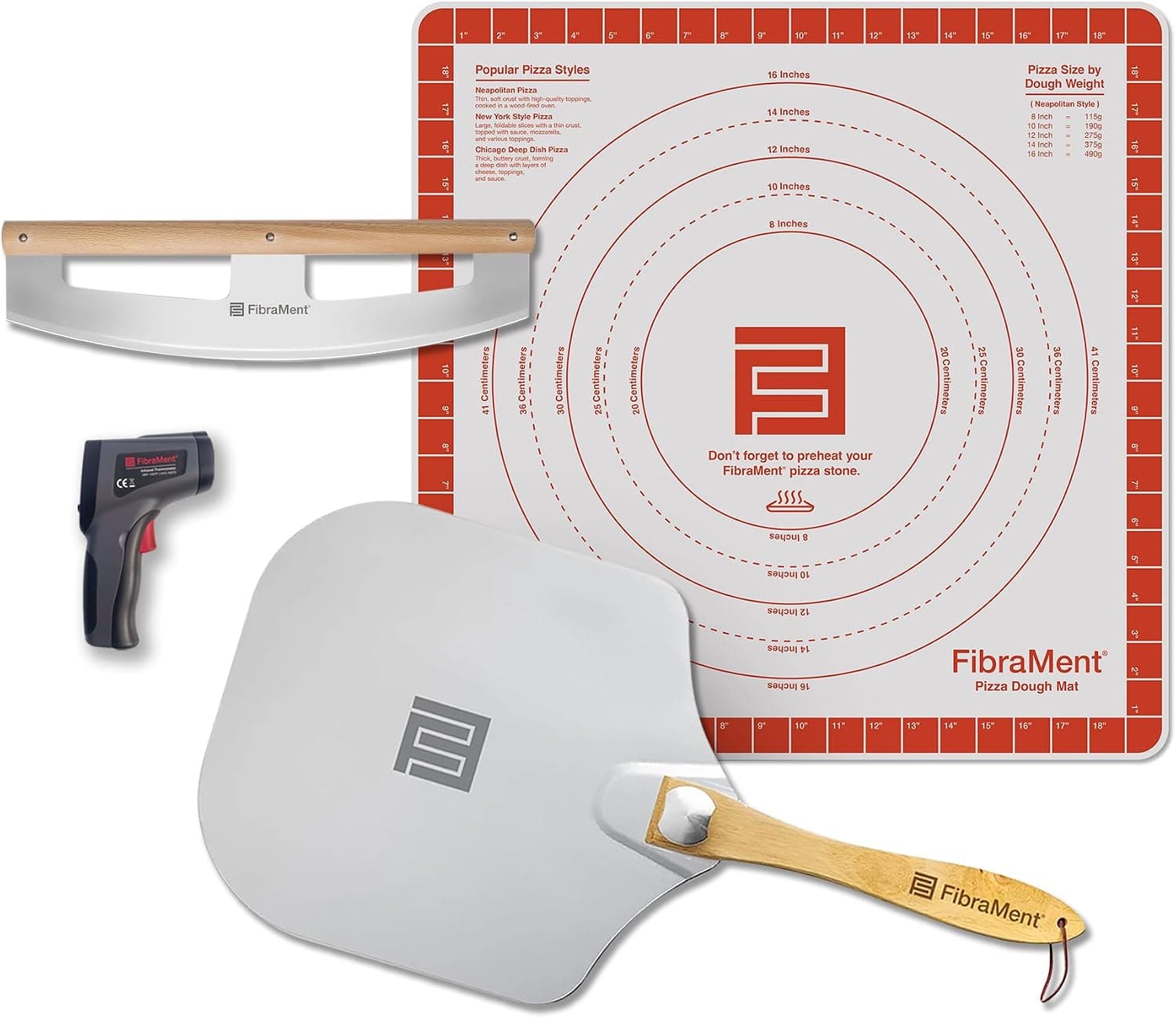
+ Infrared Thermometer checks stone temperature before launching pizzas
From our guide: Best Pizza Oven Accessories to Complete Your Setup (2026)
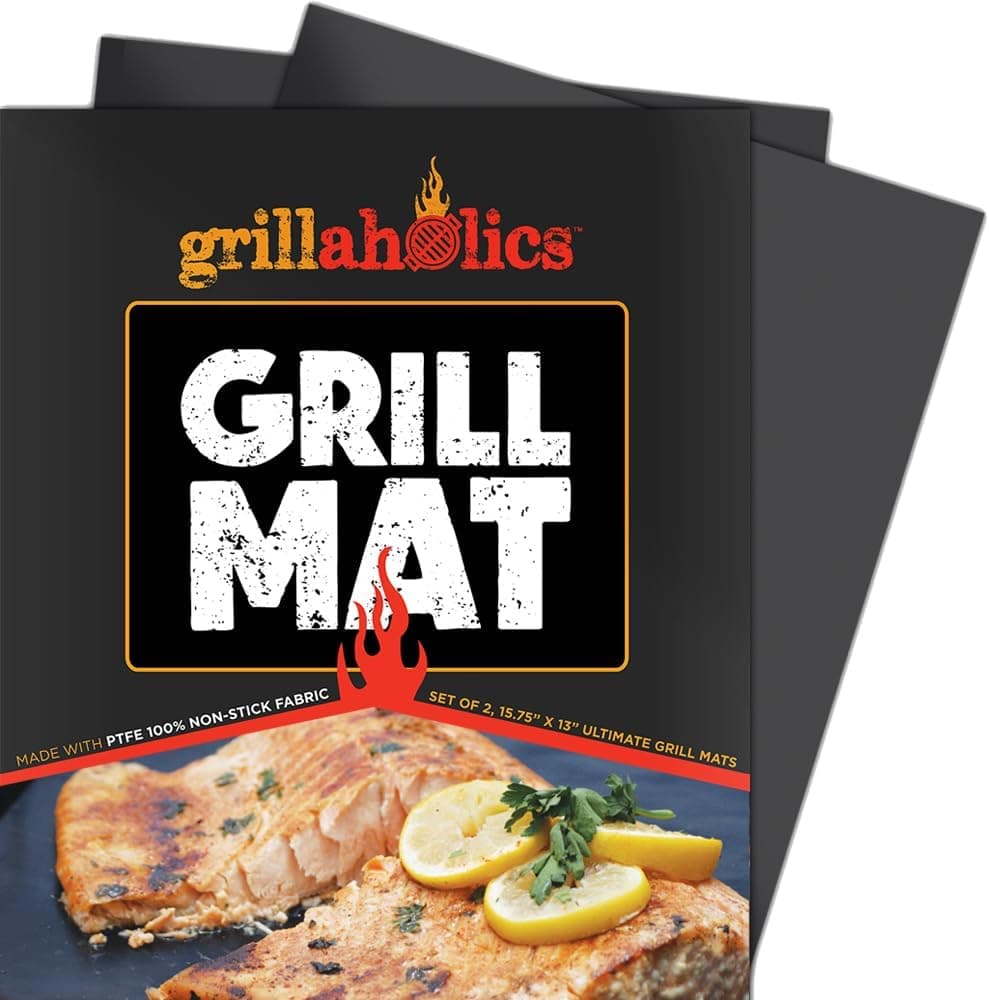
+ Non-Stick surface keeps fish and vegetables from falling apart
From our guide: Best Grill Mats (2026)
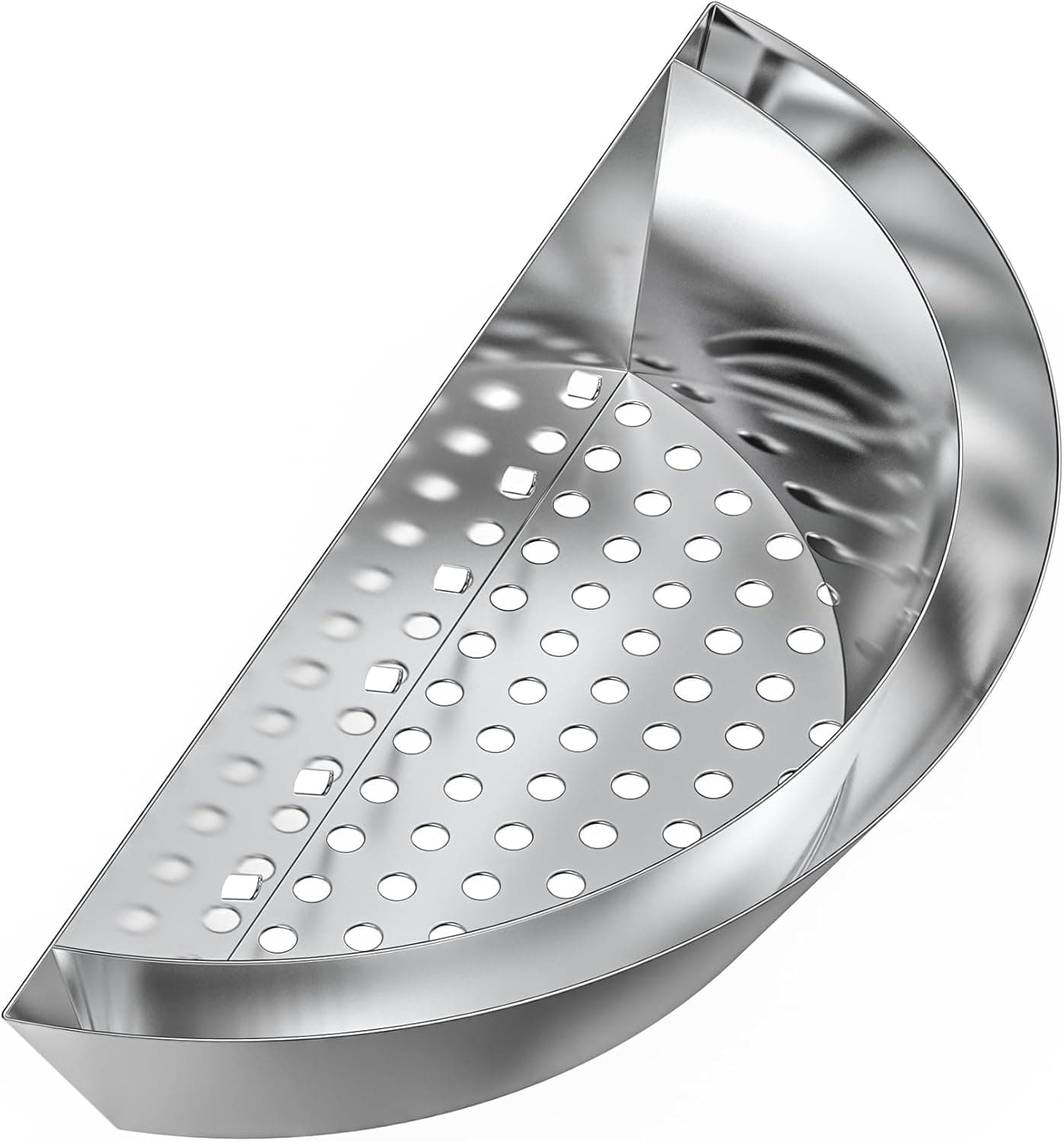
+ Water Reservoir adds humidity for juicier indirect cooks
From our guide: Best Charcoal Baskets (2026)
Direct heat is for foods that are thin or quick-cooking and benefit from a hard sear. Burgers, steaks, chops, sausages, shrimp, and vegetables all thrive over direct flame, developing browning and char in the short time they need to cook through. The intense heat drives the Maillard reaction that creates that craveable crust and flavor.
Indirect heat is for foods that are thick, large, or need time to cook without burning. Whole chickens, bone-in roasts, ribs, and anything that would scorch on the outside before the center is done belong on the indirect side. With the lid down, the trapped hot air circulates and cooks the food gently and evenly, much like roasting.
Many foods use both. A thick steak might cook indirect until nearly done and then sear over direct heat, the reverse sear approach. Bone-in chicken pieces often start indirect to cook through safely and finish over direct flame to crisp the skin. Setting up a two-zone fire gives you both options at once and the freedom to move food between them.
The lid matters more with indirect cooking. Direct grilling is often done lid-up or with brief closures, while indirect cooking depends on a closed lid to hold and circulate heat. When you use indirect heat, resist opening the lid too often, since each peek lets the oven-like environment escape.
Match the method to the food and you will stop burning the outside while the inside stays raw. Thin and fast goes direct, thick and slow goes indirect, and the truly great results usually come from knowing how to combine the two.
Popular right now
- Best Vertical Pellet Smokers for Big-Batch BBQ (2026)Buying guide
- Flare-up explainedGlossary
- Best Kettle Grills for Classic Charcoal Cooking (2026)Buying guide
- Best Charcoal Baskets (2026)Buying guide
- Best Kamado Grills for Versatile Outdoor Cooking (2026)Buying guide
- How to Smoke a Turkey for ThanksgivingArticle
Based on the last 28 days of search and visitor data.