Gas Grill Safety
Published How we research
Gas grills are convenient and generally safe, but they run on flammable fuel under pressure, so a few safety habits are non-negotiable. Most grill accidents trace back to gas leaks, grease buildup, or improper lighting, and all three are preventable with routine attention. Treating your grill with respect keeps cookouts fun instead of dangerous.
Products from this article
The highest-scoring picks from the buying guides this article links to. Scores are our editorial assessment, not customer ratings.
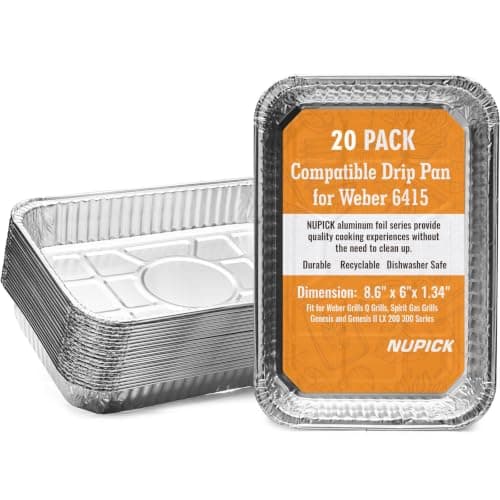
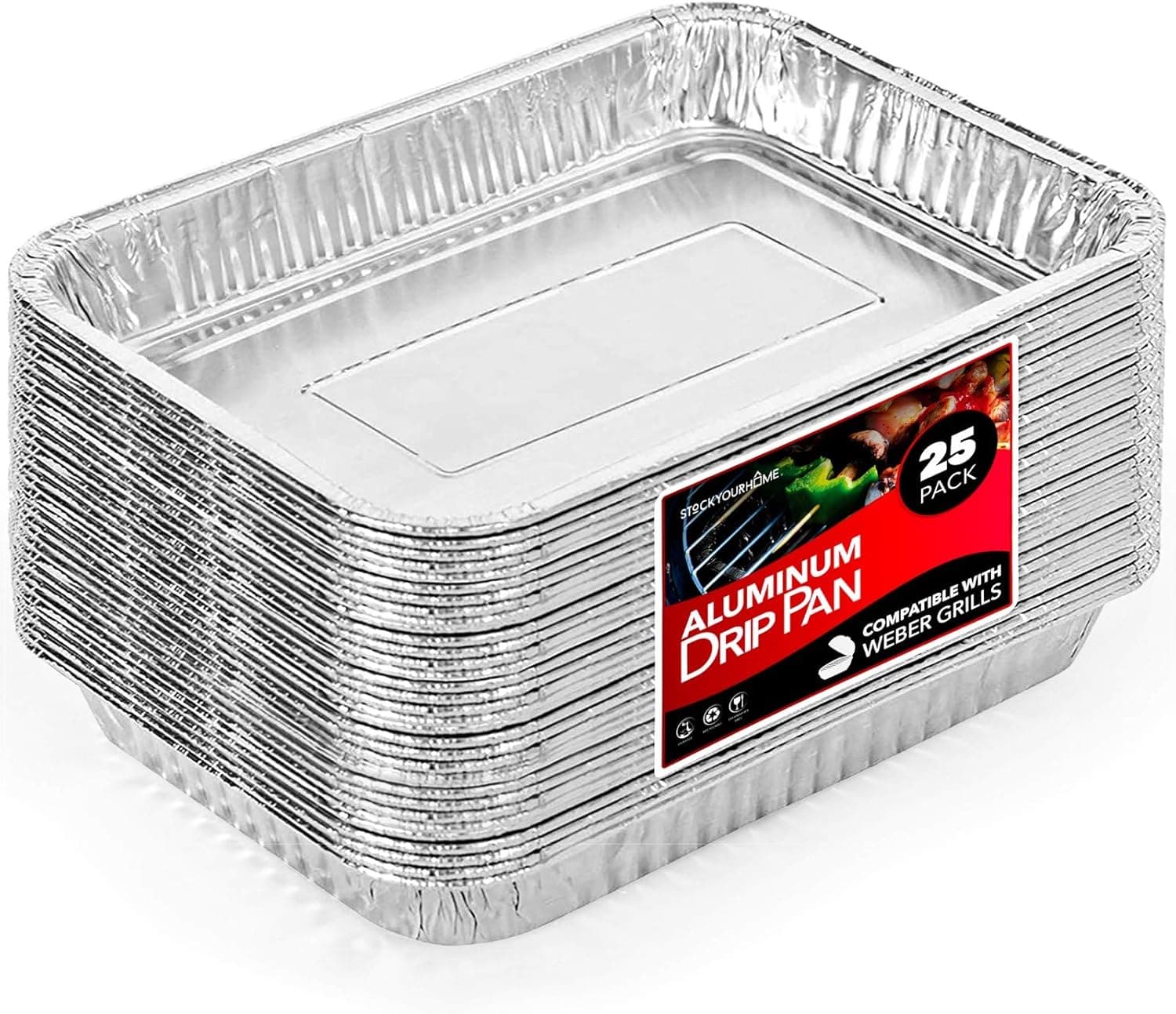
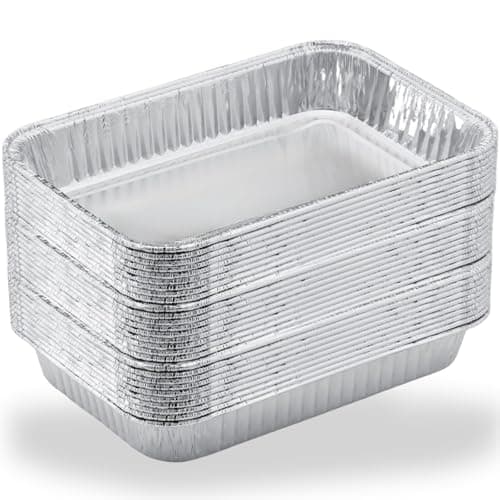
+ 1.25in depth fits shallow Weber grease trays
From our guide: Best Grill Drip Pans (2026)
+ Listed to fit many Weber lines, including Q, Spirit, Spirit II, Genesis and Traveler grills.
From our guide: Best Grill Drip Pans (2026)
+ Designed to fit the Weber 6415 size for Spirit, Genesis, Q and Ninja grills.
From our guide: Best Grill Drip Pans (2026)
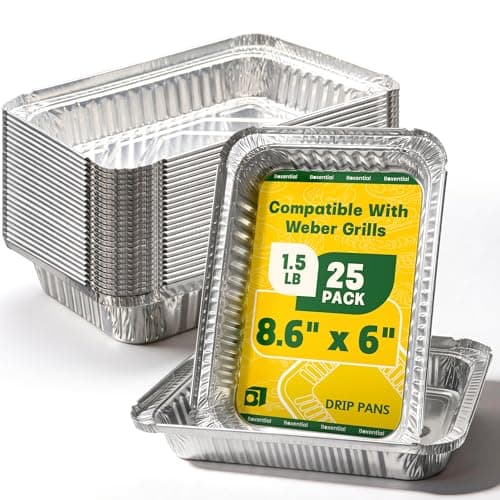
+ Fits a long list of Weber models, from Q Series through Spirit II and Genesis II 300 series.
From our guide: Best Grill Drip Pans (2026)
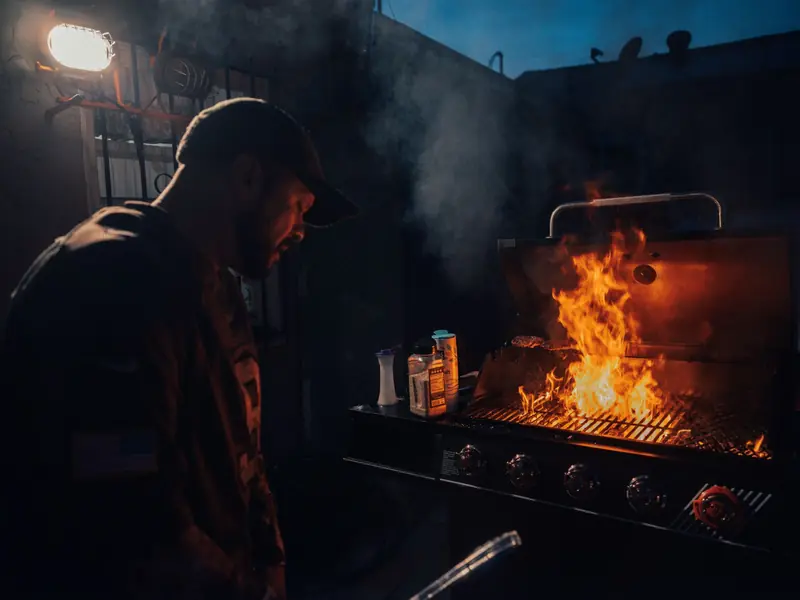
Start every season, and periodically through it, with a leak check. Brush a solution of soapy water onto the hose, regulator, and connections, then turn on the gas with the burners off. If bubbles form, you have a leak. Turn off the gas, tighten or replace the faulty part, and retest before lighting. Never use a match or flame to search for a leak.
Light the grill the right way. Open the lid before igniting, so raw gas cannot pool inside and ignite in a whoosh when you light it. Turn on the gas and press the igniter promptly. If the burner does not light within a few seconds, turn off the gas, leave the lid open, and wait several minutes for the gas to clear before trying again.
Manage grease, because it is the most common fuel for grill fires. Clean the grates, empty the drip tray, and keep the burner area free of built-up fat. A well-maintained grill is far less likely to erupt in flames. If a grease fire does start, turn off the burners and keep the lid closed to smother it; never use water on a grease fire.
Placement matters too. Always grill outdoors in a well-ventilated area, never in a garage, on a covered porch, or indoors, because gas grills produce carbon monoxide. Keep the grill several feet away from the house, railings, overhanging branches, and anything else that can catch fire, and never leave a lit grill unattended.
Finally, handle propane tanks with care. Store them upright and outdoors, never inside your home, and keep them away from heat. If you ever smell gas and cannot stop it, move away from the grill and call for help. A little caution costs nothing and prevents the rare but serious accidents that give gas grilling its only real risk.
Popular right now
- Best Vertical Pellet Smokers for Big-Batch BBQ (2026)Buying guide
- Flare-up explainedGlossary
- Best Kettle Grills for Classic Charcoal Cooking (2026)Buying guide
- Best Charcoal Baskets (2026)Buying guide
- Best Kamado Grills for Versatile Outdoor Cooking (2026)Buying guide
- How to Smoke a Turkey for ThanksgivingArticle
Based on the last 28 days of search and visitor data.