How to Set Up a Two-Zone Fire for Better Grilling
Published How we research
A two-zone fire concentrates heat on one side of the grill, leaving the other cooler, giving a hot direct zone for searing and a cool indirect zone for gentle cooking. On charcoal, bank all lit coals to one half of the grate; on gas, light burners on one side only. Sear over the hot side to build a crust, then move food to the cool side to finish without burning, and move anything flaring up to safety. Keep the lid closed on the indirect side so trapped heat circulates like an oven, checking grate temperature with a thermometer. A two-zone fire is the single most useful technique in grilling. Instead of spreading heat evenly across the whole grate, you concentrate it on one side and leave the other side cooler. This gives you a hot direct zone for searing and a cooler indirect zone for gentle, controlled cooking, all on one grill.
Products from this article
The highest-scoring picks from the buying guides this article links to. Scores are our editorial assessment, not customer ratings.
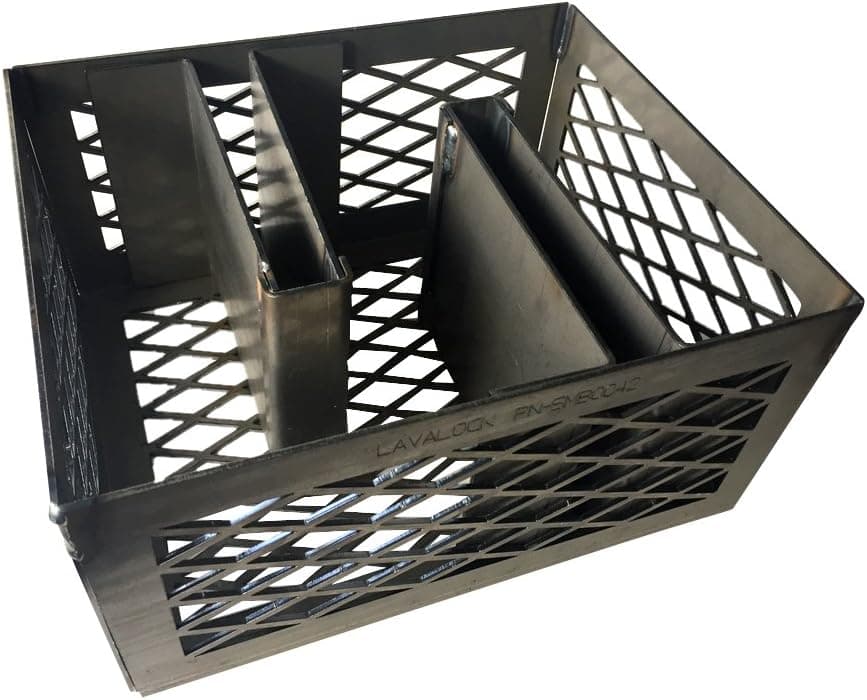
+ 2 Maze Bars guide the burn for extended smoking sessions
From our guide: Best Charcoal Baskets (2026)
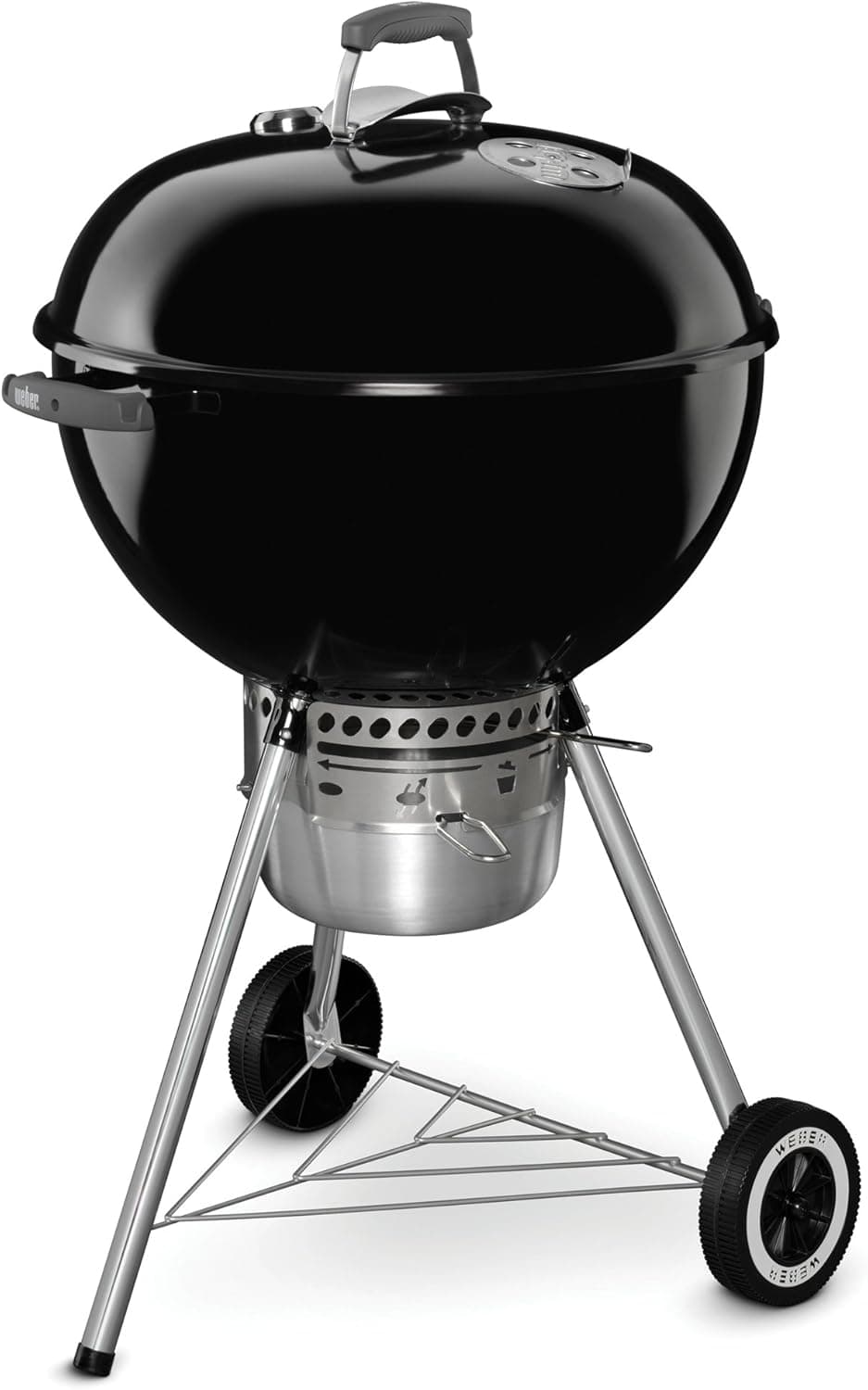
+ Premium version adds convenience upgrades over the base kettle, like easier ash cleanup
From our guide: Best Kettle Grills for Classic Charcoal Cooking (2026)
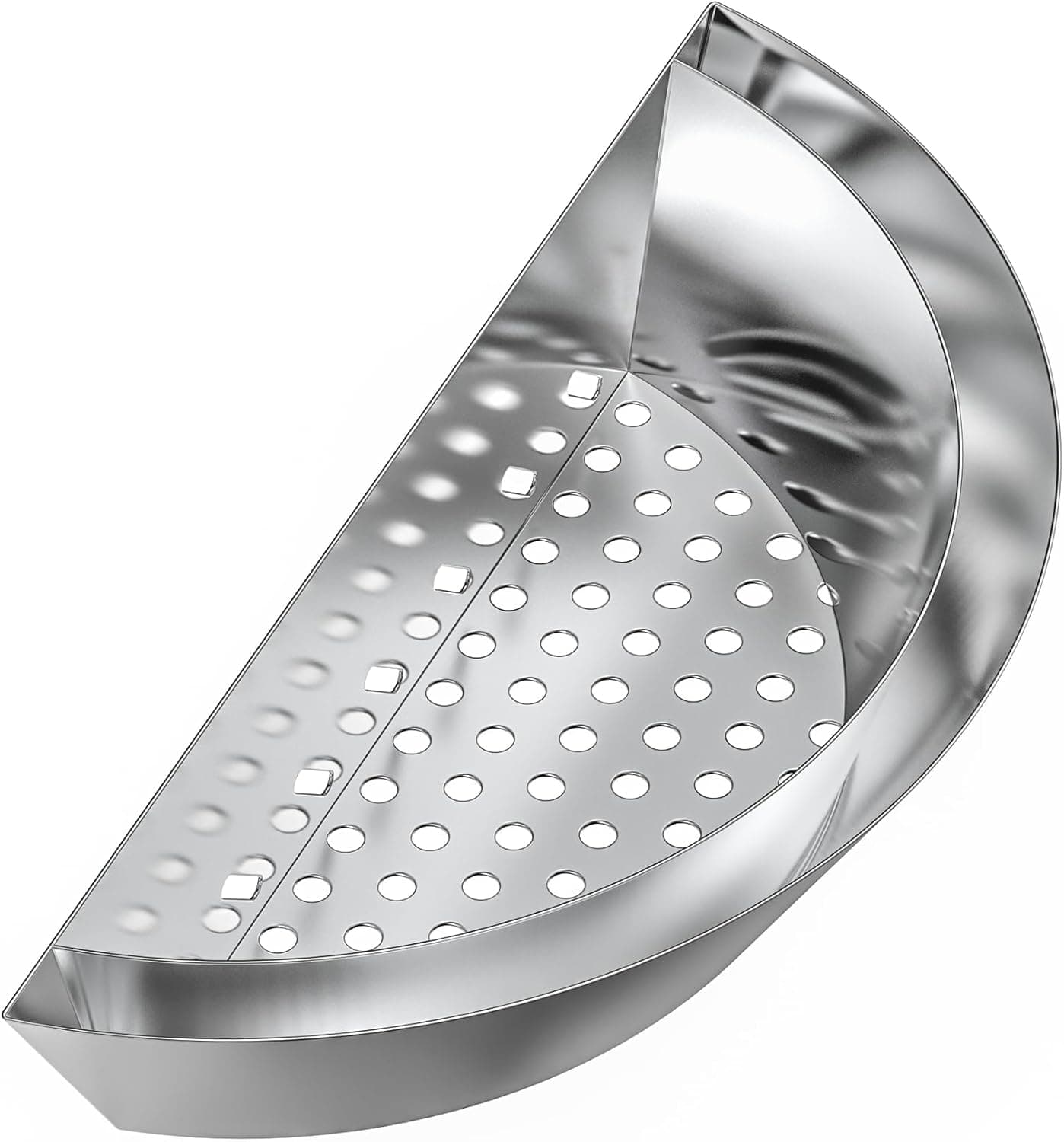
+ Water Reservoir adds humidity for juicier indirect cooks
From our guide: Best Charcoal Baskets (2026)
+ Proven kettle design gives reliable heat control through top and bottom vents
From our guide: Best Kettle Grills for Classic Charcoal Cooking (2026)

Building a two-zone fire on charcoal
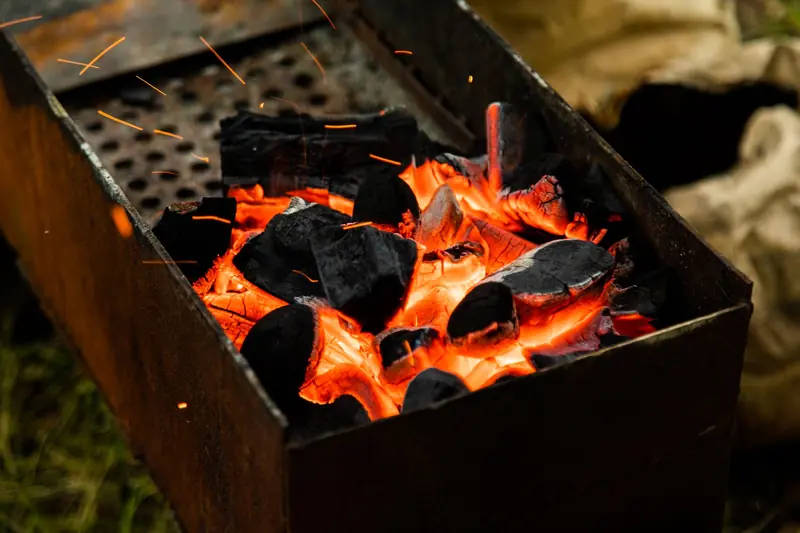
On a charcoal grill, build the fire by banking all your lit coals to one half of the charcoal grate and leaving the other half empty. A chimney starter makes this easy: dump the glowing coals on one side and rake them into an even bed. The empty side sits over no direct flame, so food there cooks by ambient heat with the lid down.
Building a two-zone fire on gas
On a gas grill, the setup is even simpler. Light the burners on one side and leave the burners on the other side off. The lit side becomes your direct zone and the unlit side your indirect zone. With three or more burners you get fine control over how large and how hot each zone is.
The payoff is control over searing and finishing
The payoff is control. Sear steaks, chops, or sausages over the hot side to build a crust, then slide them to the cool side to finish cooking through without burning. Thicker cuts like bone-in chicken can cook mostly on the indirect side and get a quick sear at the end. When fat drips and flames leap up, you simply move food to the safe zone instead of watching dinner char.
Keep the lid closed and monitor temperature
Keep the lid closed as much as possible when using the indirect zone, since the trapped heat circulates like an oven. Use a thermometer to check the temperature at the grate and adjust your vents or burners as needed. Once you master the two-zone fire, almost every other grilling technique becomes easier to execute.
Frequently asked questions
How do you set up a two-zone fire on a charcoal grill? Bank all your lit coals to one half of the charcoal grate and leave the other half empty, using a chimney starter to dump and rake an even bed of glowing coals onto one side.
How do you make a two-zone fire on a gas grill? Light the burners on one side and leave the burners on the other side off, giving you a direct zone over the lit burners and an indirect zone over the unlit ones.
What is the benefit of a two-zone fire? It lets you sear food over the hot side to build a crust, then slide it to the cool side to finish cooking through without burning, and gives you a safe zone to move food to during a flare-up.
Should the lid be open or closed when using the indirect zone? Closed as much as possible, since the trapped heat circulates like an oven, and you should use a thermometer at grate level to monitor and adjust vents or burners as needed.
Popular right now
- Best Vertical Pellet Smokers for Big-Batch BBQ (2026)Buying guide
- Flare-up explainedGlossary
- Best Kettle Grills for Classic Charcoal Cooking (2026)Buying guide
- Best Charcoal Baskets (2026)Buying guide
- Best Kamado Grills for Versatile Outdoor Cooking (2026)Buying guide
- How to Smoke a Turkey for ThanksgivingArticle
Based on the last 28 days of search and visitor data.