How to Use a Meat Thermometer for Perfect Results
Published How we research

Internal temperature beats color, firmness, or timing charts since every cut and fire is different. Instant-read thermometers give fast spot checks for steaks, while leave-in probes monitor roasts and long smokes continuously without opening the lid. Probe the thickest part of the meat away from bone and fat, checking multiple spots on irregular cuts and trusting the lowest reading. Pull meat a few degrees before target temperature to account for carryover cooking, and always cook poultry and ground meats to safe temperatures rather than relying on appearance. Calibrate your thermometer occasionally with ice water and boiling water checks. A good thermometer is the most reliable tool in a griller's arsenal, and it removes almost all the guesswork from cooking meat. Color, firmness, and timing charts are unreliable because every cut and every fire is different. Internal temperature is the one measurement that tells you exactly what is happening inside your food, both for doneness and for safety.
Products from this article
The highest-scoring picks from the buying guides this article links to. Scores are our editorial assessment, not customer ratings.
+ 0.5 Sec thermocouple readings are among the fastest in the category
From our guide: Best Instant-Read Thermometers (2026)
+ 4" dial is big and easy to read at a glance
From our guide: Best Grill Thermometers (2026)
+ WiFi gives unlimited range, so you can check cooks away from home
From our guide: Best Wireless Meat Thermometers (2026)
+ 1-2 Sec readings mean less time with the grill lid open
From our guide: Best Instant-Read Thermometers (2026)


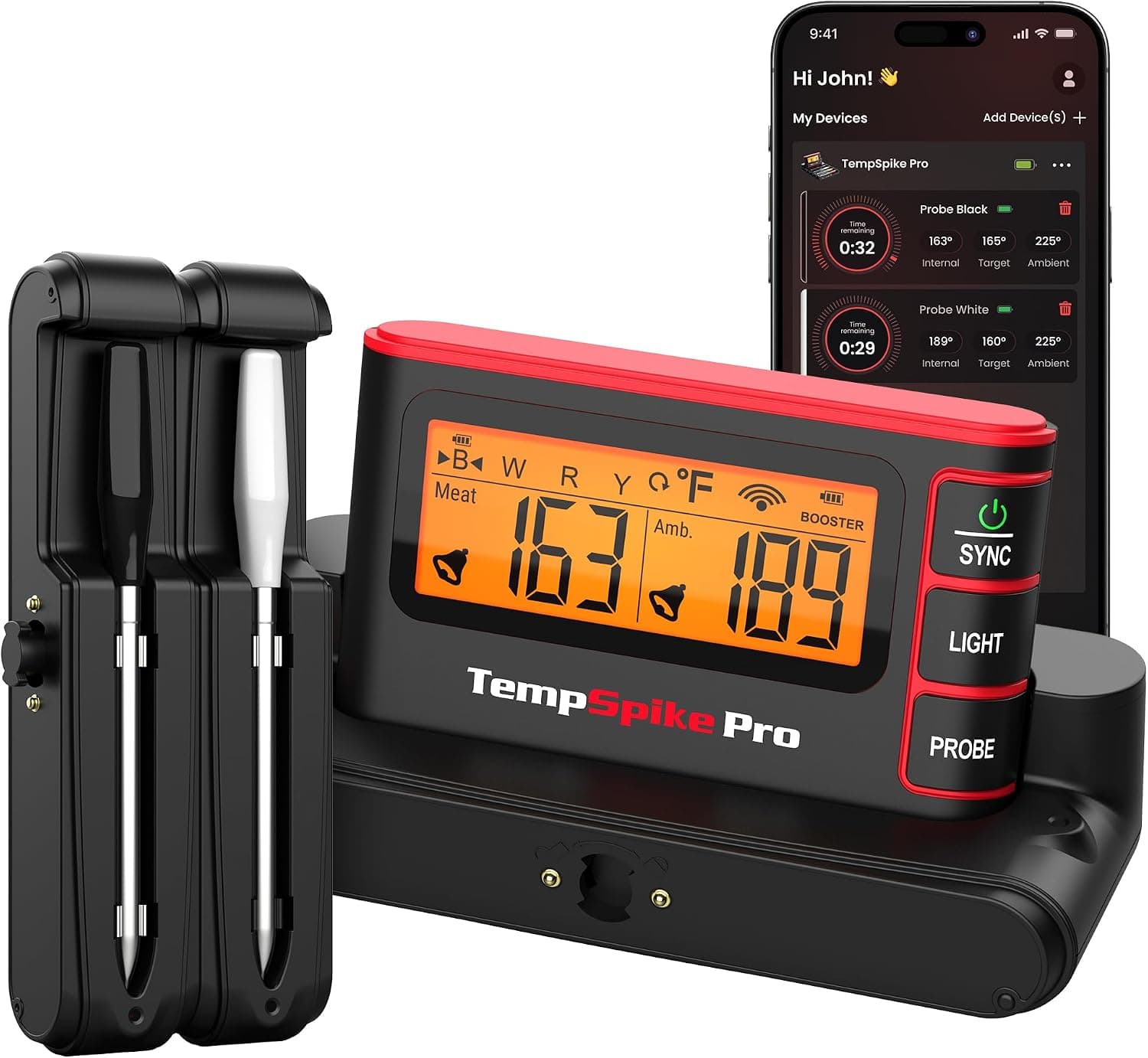

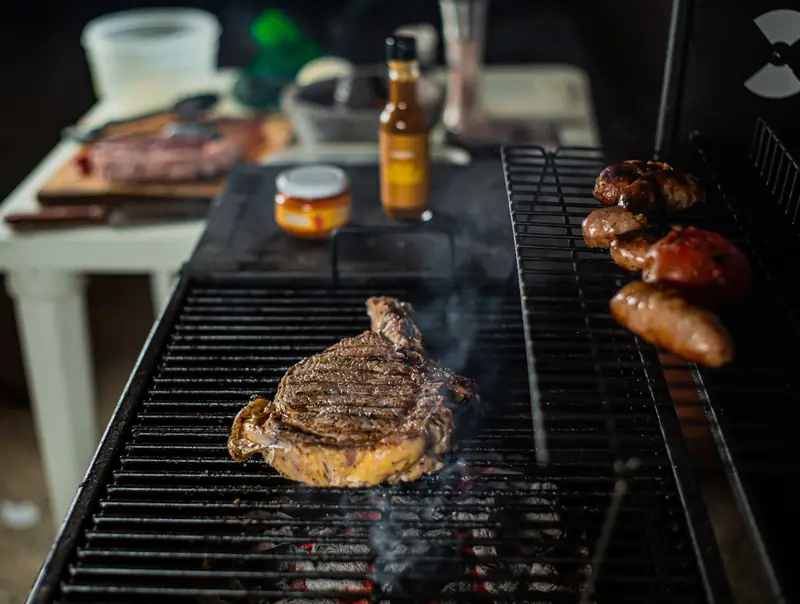
There are two main types of meat thermometer
There are two main types. An instant-read thermometer gives a fast, accurate spot check when you insert it, ideal for steaks, chops, and quick verification. A leave-in probe thermometer stays in the meat throughout the cook and lets you monitor the temperature continuously, which is invaluable for roasts, whole birds, and long smokes where you do not want to keep opening the lid.
Where you probe matters as much as the number
Where you probe matters as much as the number. Insert the tip into the thickest part of the meat, away from bone, fat, and gristle, all of which read differently from the muscle you are cooking. For irregular cuts, check a couple of spots and go by the lowest reading, since that is the part most likely to be undercooked.
Use temperature for resting and carryover
Use temperature to your advantage with resting and carryover. Because meat keeps cooking after it leaves the heat, pull it a few degrees before your target and let the rest finish. For food safety, cook poultry, ground meats, and other higher-risk foods to their recommended safe internal temperatures rather than relying on appearance.
Calibrate your thermometer occasionally
Calibrate your thermometer occasionally so you can trust it. The classic checks are an ice-water bath, which should read close to 32 degrees Fahrenheit, and boiling water, which should read near 212 degrees Fahrenheit at sea level. If it is off, many thermometers can be adjusted, and if not, you at least know the offset to account for.
Cooking by temperature removes the guesswork
Once you cook by temperature, you will wonder how you ever managed without it. Steaks come out at the doneness you actually wanted, chicken is safe without being dry, and long cooks stop being a nervous guessing game. It is a small tool that delivers outsized, consistent results.
Frequently asked questions
What is the difference between an instant-read and leave-in meat thermometer? An instant-read thermometer gives a fast spot check when inserted, ideal for steaks and quick verification, while a leave-in probe stays in the meat throughout the cook for continuous monitoring on roasts and long smokes.
Where should you insert a meat thermometer? Into the thickest part of the meat, away from bone, fat, and gristle, all of which read differently from the muscle you're cooking; check multiple spots on irregular cuts and trust the lowest reading.
Why should you pull meat off the heat before it reaches target temperature? Because meat keeps cooking after it leaves the heat through carryover, so pulling it a few degrees early and letting it rest brings it to the actual target temperature.
How do you calibrate a meat thermometer? Test it in an ice-water bath, which should read close to 32 degrees Fahrenheit, and in boiling water, which should read near 212 degrees Fahrenheit at sea level, adjusting or noting the offset if it's off.
Popular right now
- Best Vertical Pellet Smokers for Big-Batch BBQ (2026)Buying guide
- Flare-up explainedGlossary
- Best Kettle Grills for Classic Charcoal Cooking (2026)Buying guide
- Best Charcoal Baskets (2026)Buying guide
- Best Kamado Grills for Versatile Outdoor Cooking (2026)Buying guide
- How to Smoke a Turkey for ThanksgivingArticle
Based on the last 28 days of search and visitor data.