Low-and-Slow Brisket Basics for First-Timers
Published How we research
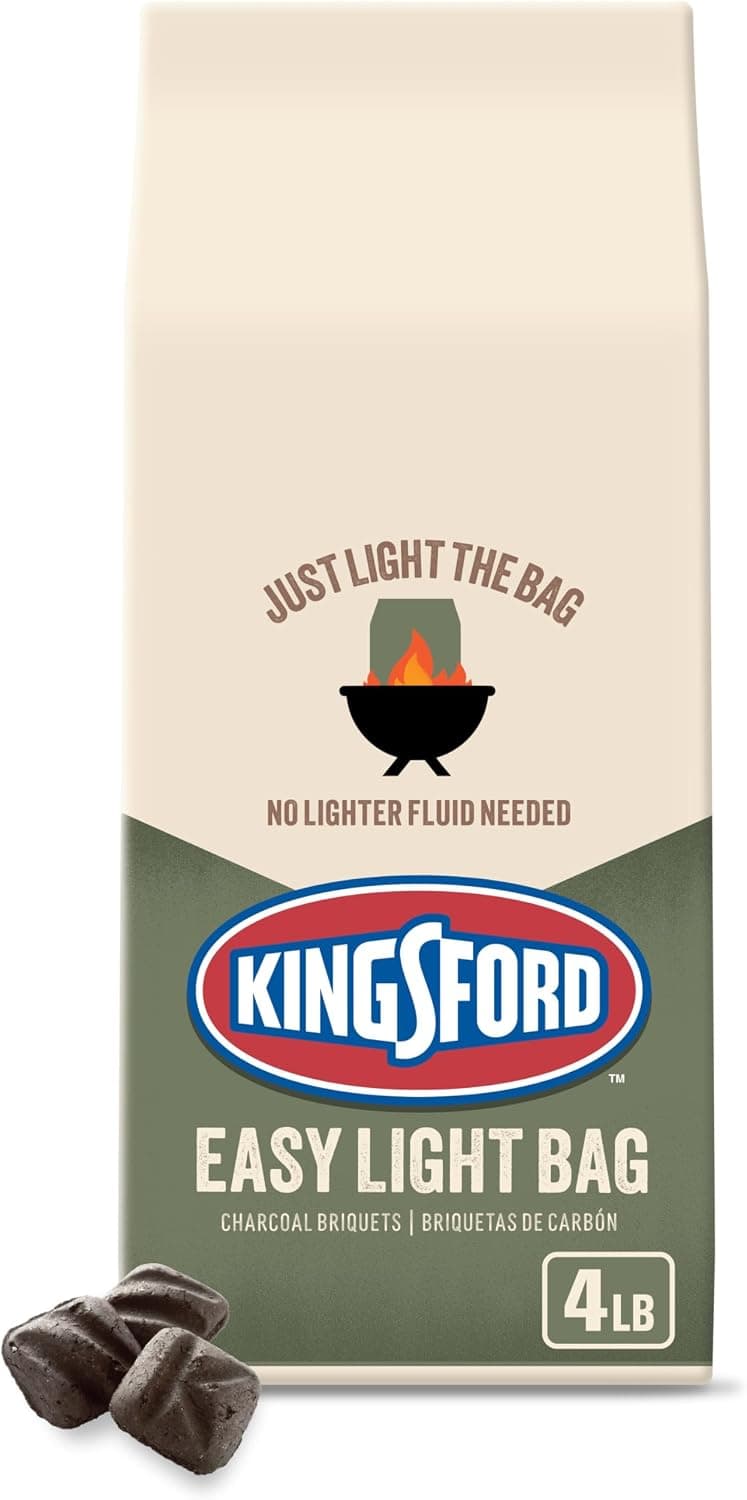
Brisket is the meat that intimidates most new smokers, and for good reason. It is a large, tough cut full of connective tissue that only becomes tender after many hours of low, steady heat. The good news is that the process is forgiving once you understand what you are trying to accomplish: melt the collagen and render the fat without drying out the meat.
Products from this article
The highest-scoring picks from the buying guides this article links to. Scores are our editorial assessment, not customer ratings.
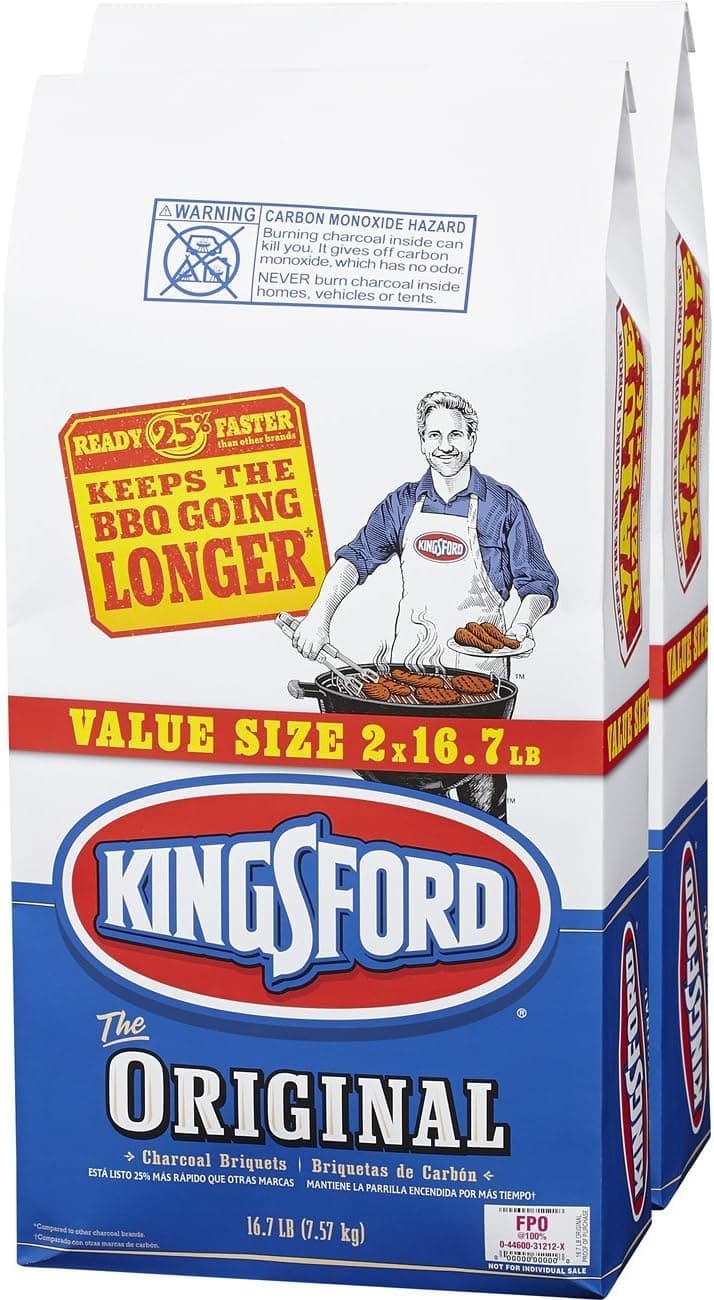
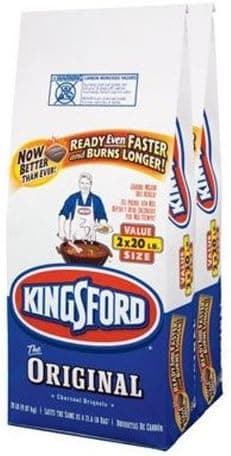
+ Two 16.7 lb bags supply a whole season of weekend cooks
From our guide: Best Charcoal Briquettes (2026)
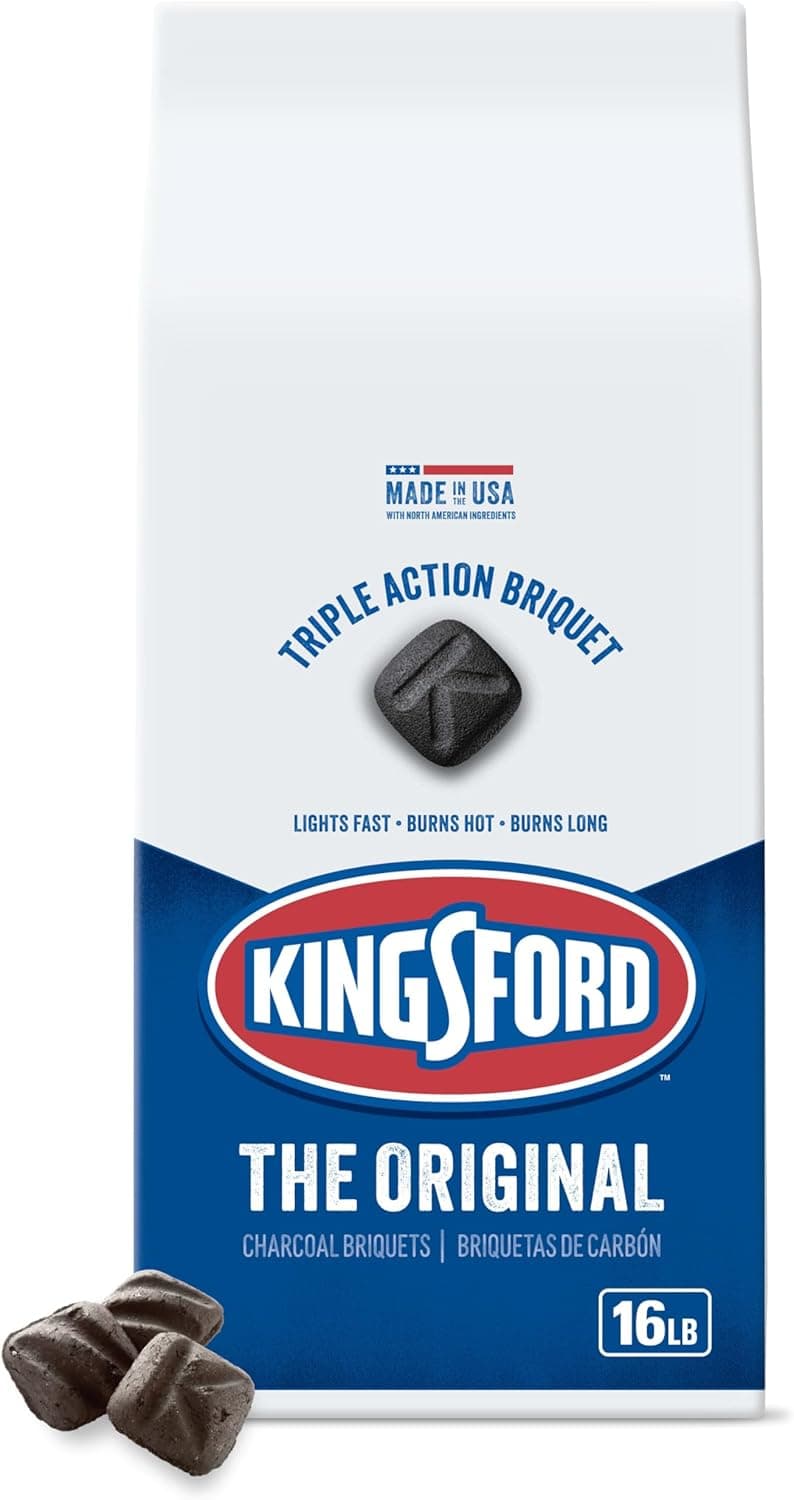
+ Original briquettes burn evenly for steady temperatures
From our guide: Best Charcoal Briquettes (2026)
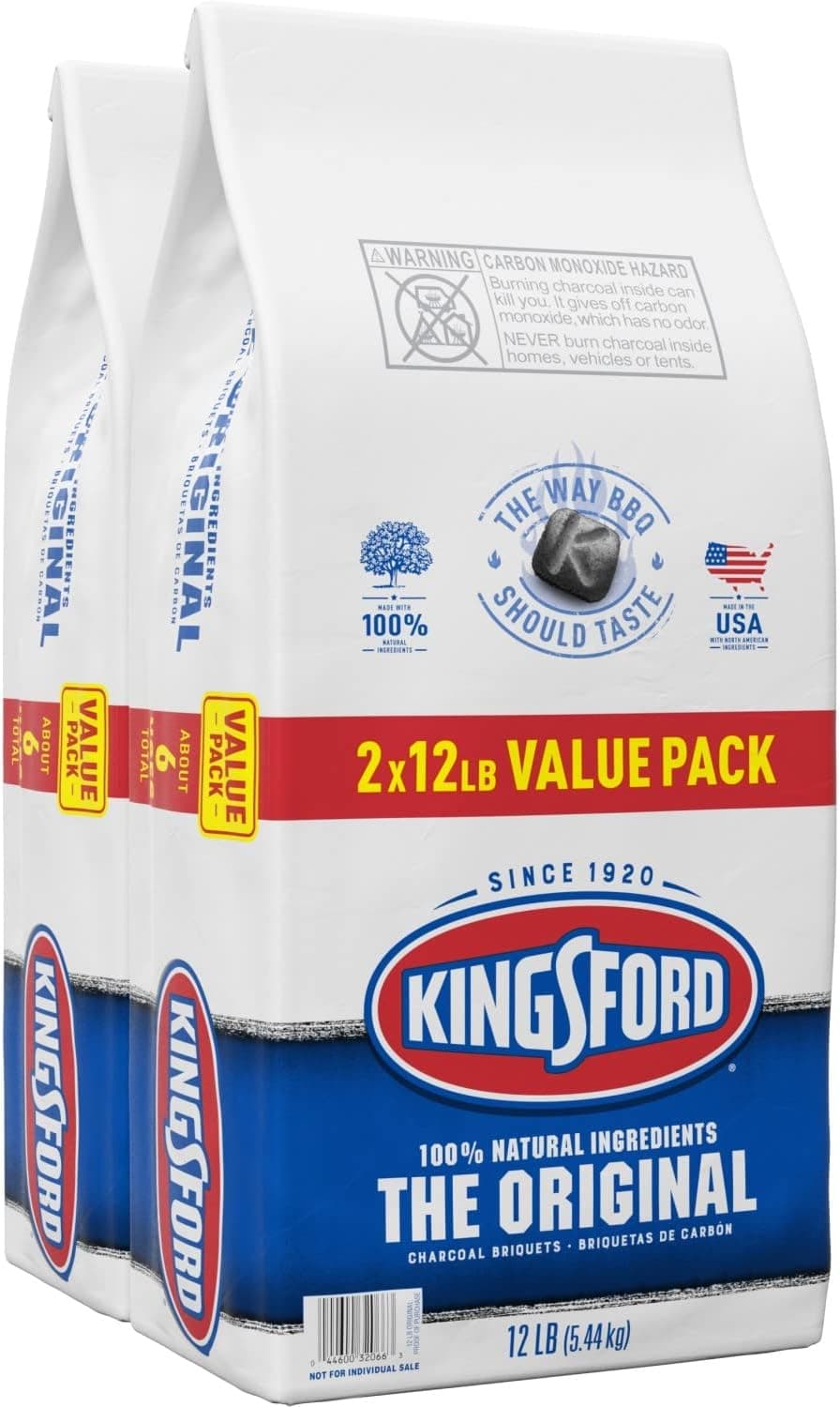
+ Pack of 2 bags is easier to store and handle than one large bag
From our guide: Best Charcoal Briquettes (2026)
+ 20-Pound bag gives a solid supply for grilling season
From our guide: Best Charcoal Briquettes (2026)
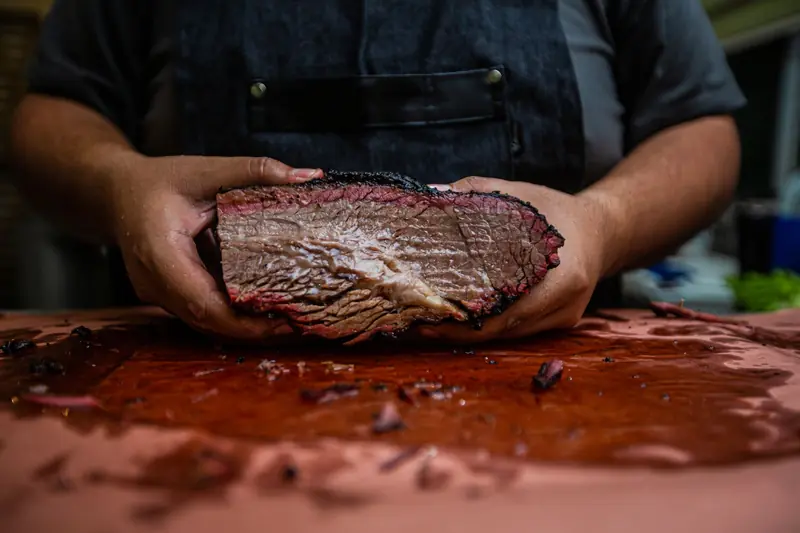
Start by trimming. A whole packer brisket has a leaner flat and a fattier point, joined by a thick fat seam. Trim the hard external fat down to a thin, even layer, roughly a quarter inch, so smoke and seasoning can reach the meat while enough fat remains to protect it. Remove any silverskin and hard chunks that will not render.
Seasoning can be as simple as coarse salt and black pepper, the classic Texas approach. Apply it generously and evenly on all sides, then let the brisket sit while your smoker comes up to temperature. Aim for a smoker running around 225 to 275 degrees Fahrenheit with clean, thin smoke rather than thick billowing clouds.
Expect the stall. Somewhere in the mid-160s Fahrenheit, the internal temperature will plateau for hours as surface moisture evaporates and cools the meat. This is normal. Many cooks wrap the brisket in butcher paper or foil at this point to push through the stall faster and retain moisture, a technique often called the Texas crutch.
Doneness is about feel, not just a number. Brisket is typically ready somewhere around 200 to 205 degrees Fahrenheit, but the real test is that a probe slides into the thickest part of the flat with little resistance, like sliding into softened butter. Temperatures vary from cut to cut, so trust the probe feel over any single target.
Once it is done, rest the brisket. Let it sit wrapped in a cooler or a warm, off oven for at least an hour, longer if you can. Resting lets the juices redistribute and the muscle relax. Slice against the grain, remembering the flat and point run in different directions, and serve it promptly.
Popular right now
- Best Vertical Pellet Smokers for Big-Batch BBQ (2026)Buying guide
- Flare-up explainedGlossary
- Best Kettle Grills for Classic Charcoal Cooking (2026)Buying guide
- Best Charcoal Baskets (2026)Buying guide
- Best Kamado Grills for Versatile Outdoor Cooking (2026)Buying guide
- How to Smoke a Turkey for ThanksgivingArticle
Based on the last 28 days of search and visitor data.