How to Manage and Prevent Grill Flare-Ups
Published How we research
Flare-ups happen when dripping fat meets direct flame, so the two main levers are managing fat and managing where the fire is. Prevent them by trimming excess fat, patting marinated food dry, and keeping the grill and drip tray clean. A two-zone fire is the single most powerful tool: move flaring food to the cooler indirect side and let the flare burn out. Controlling airflow, closing the lid and dampening vents on charcoal or turning down burners on gas, also helps, while spraying water can scatter grease and crack hot surfaces. A little flame is normal; the goal is preventing sustained infernos. Flare-ups are the sudden bursts of flame that erupt when fat and juices hit the fire, and while a brief flare can add a little char, a sustained one will blacken and ruin your food. Understanding what causes them turns flare-ups from a panic-inducing surprise into something you can prevent and control with ease.
Products from this article
The highest-scoring picks from the buying guides this article links to. Scores are our editorial assessment, not customer ratings.
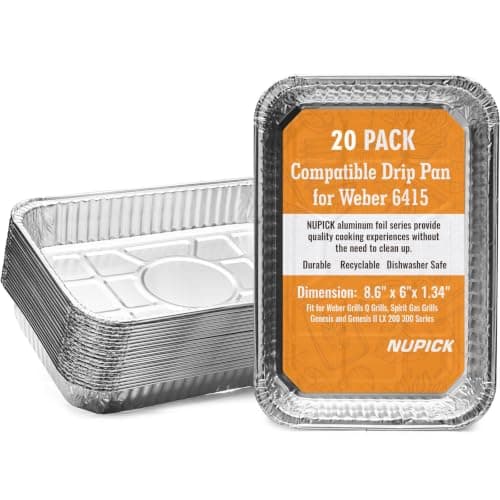
+ 1.25in depth fits shallow Weber grease trays
From our guide: Best Grill Drip Pans (2026)
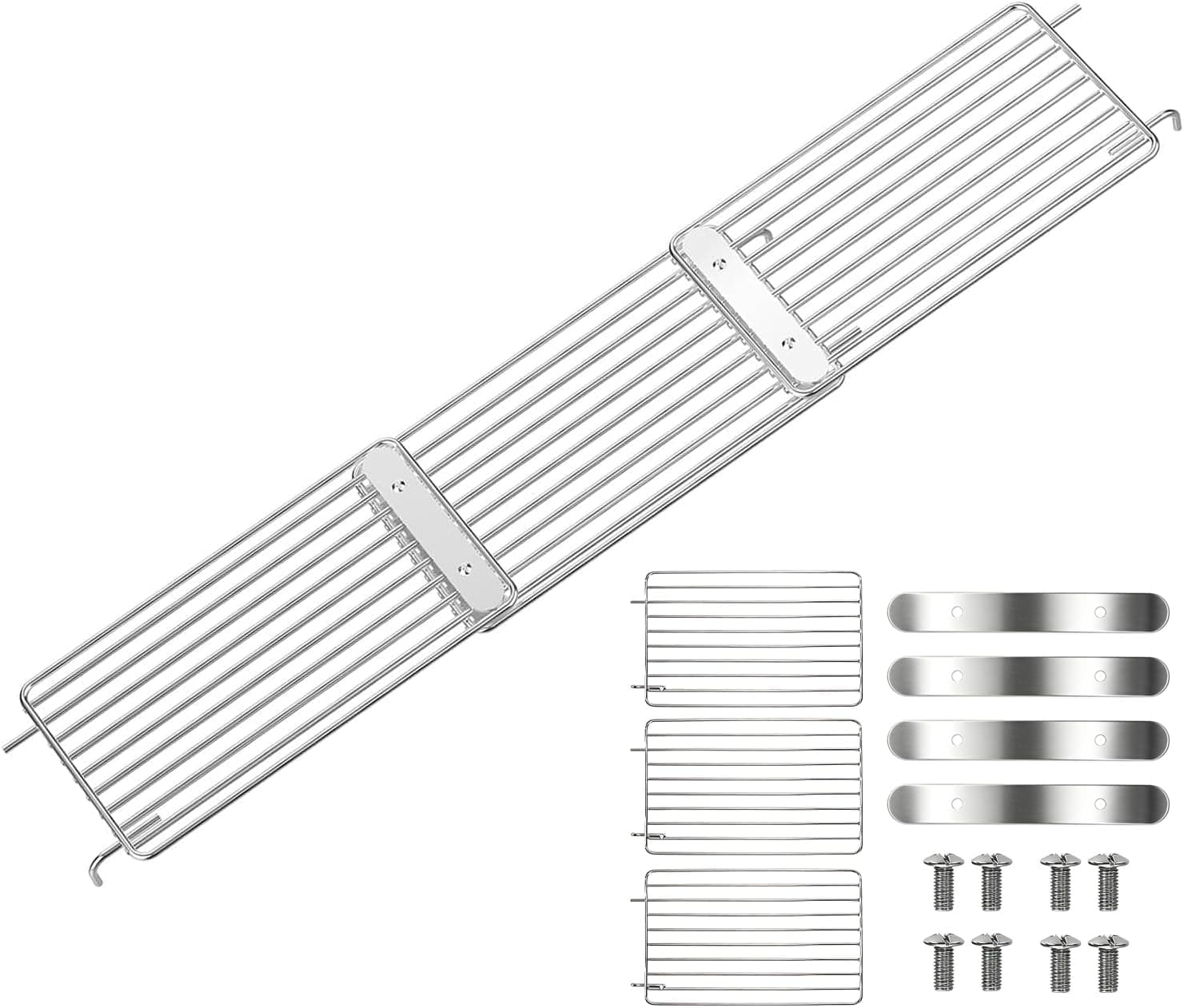
+ 15.75-37 in range fits small kettles through large gas grills
From our guide: Best Grill Warming Racks (2026)
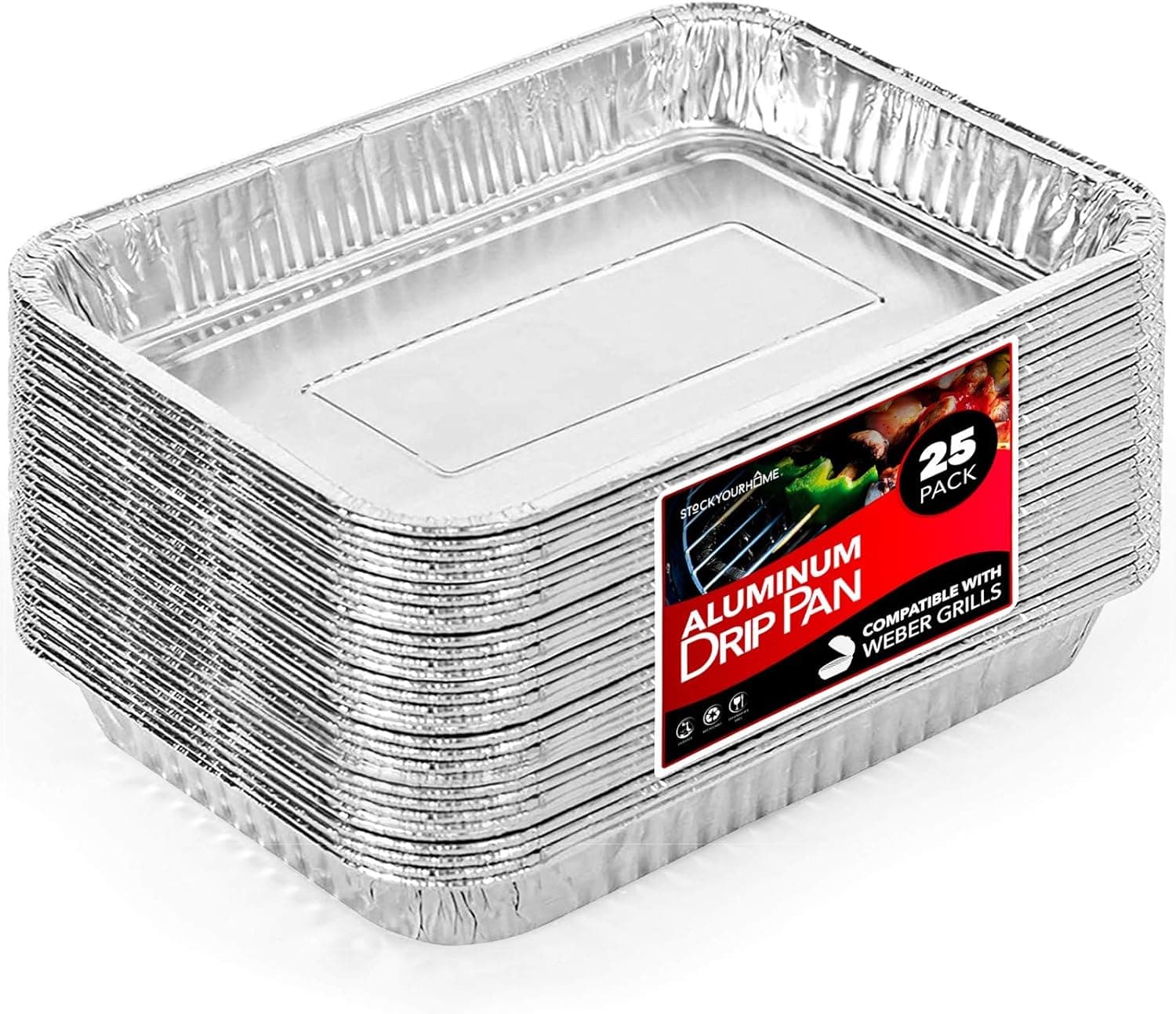
+ Listed to fit many Weber lines, including Q, Spirit, Spirit II, Genesis and Traveler grills.
From our guide: Best Grill Drip Pans (2026)
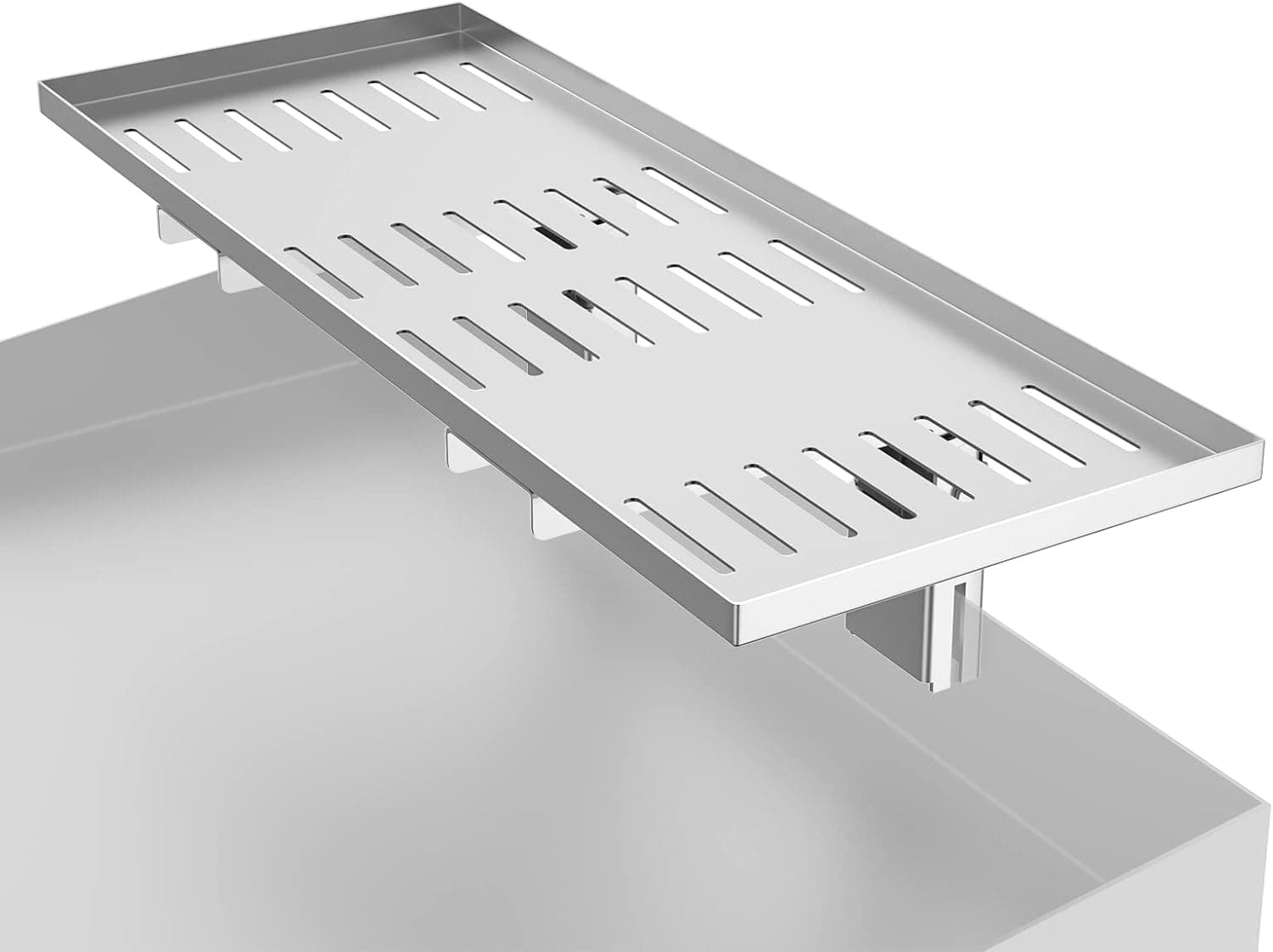
+ Fits Blackstone 17/22/28/36 griddles and Pit Boss models
From our guide: Best Grill Warming Racks (2026)
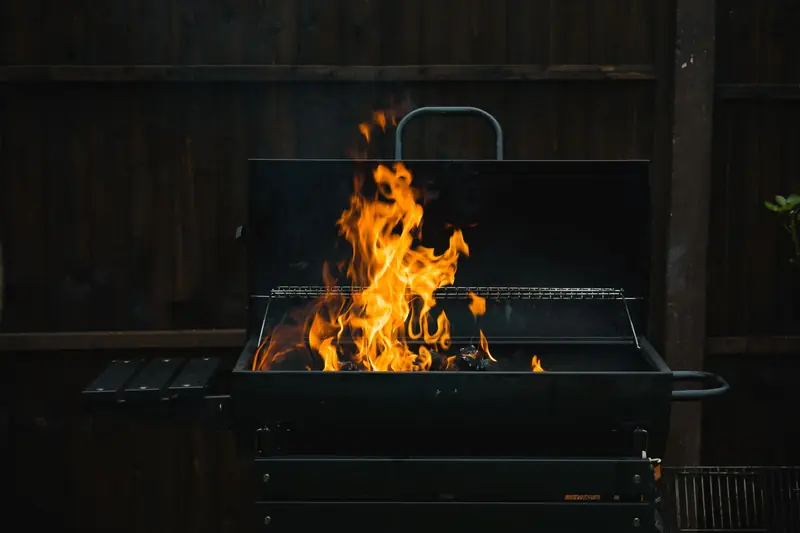
The cause is almost always dripping fat meeting flame
The cause is almost always dripping fat meeting direct flame. When rendered fat, marinade, or oil falls onto hot coals or burners, it ignites and flames leap up toward the food. The more fat and the more direct heat, the bigger the flare. That means the two main levers you have are managing the fat and managing where the fire is.
Prevention starts before the food hits the grate
Prevention starts before the food hits the grate. Trim excess fat from your cuts, pat marinated foods so they are not dripping with oil, and avoid dousing food in sugary or oily sauces too early. Keeping the grill clean also matters, because a grease-caked grill and drip tray provide their own fuel for flare-ups independent of what you are cooking.
The single most powerful tool: a two-zone fire
The single most powerful tool against flare-ups is a two-zone fire. When flames erupt, simply move the food to the cooler indirect side and let the flare burn itself out over the empty zone. This lets you keep cooking without charring dinner and without frantically fighting the flames. Having that safe zone ready is what experienced grillers rely on.
Controlling airflow helps too
Controlling airflow helps too. On a charcoal grill, closing the lid and dampening the vents starves the flames of oxygen. On a gas grill, closing the lid and turning down or off the affected burner does the same. Resist the temptation to spray water, which can scatter grease, kick up ash, and crack hot surfaces.
A little flame is normal, don't overreact
A little flame is normal and part of grilling, so do not overreact to every flicker. Your goal is to prevent the sustained infernos that leave food tasting bitter and burnt. With trimmed food, a clean grill, and a two-zone setup ready to go, flare-ups become a minor, manageable part of the cook rather than a threat to dinner.
Frequently asked questions
What causes grill flare-ups? Rendered fat, marinade, or oil falling onto hot coals or burners ignites and sends flames leaping toward the food; the more fat and the more direct heat, the bigger the flare.
How do you stop a grill flare-up quickly? Move the food to the cooler indirect side of a two-zone fire and let the flare burn itself out over the empty zone, rather than fighting the flames where the food sits.
Should you spray water on a grill flare-up? No, resist that temptation since it can scatter grease, kick up ash, and crack hot surfaces; closing the lid and dampening vents or turning down burners is safer and more effective.
How can I prevent flare-ups before they happen? Trim excess fat from cuts, pat marinated foods dry, avoid dousing food in oily sauces too early, and keep the grill and drip tray clean since grease buildup fuels its own flare-ups.
Popular right now
- Best Vertical Pellet Smokers for Big-Batch BBQ (2026)Buying guide
- Flare-up explainedGlossary
- Best Kettle Grills for Classic Charcoal Cooking (2026)Buying guide
- Best Charcoal Baskets (2026)Buying guide
- Best Kamado Grills for Versatile Outdoor Cooking (2026)Buying guide
- How to Smoke a Turkey for ThanksgivingArticle
Based on the last 28 days of search and visitor data.