How to Fix Temperature Swings and Flameouts on a Pellet Grill
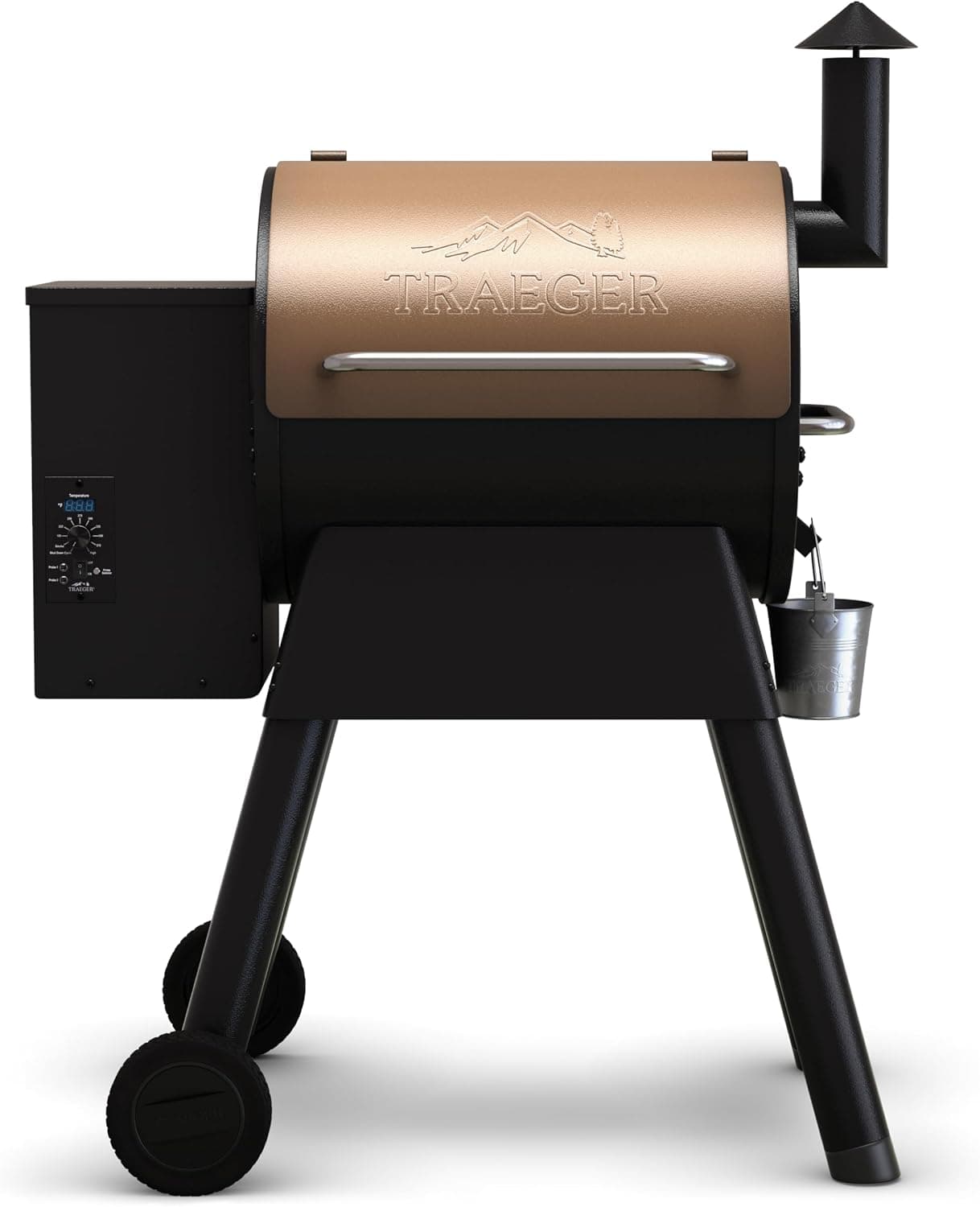
Pellet grills promise set-and-forget temperature control, so it is disappointing when the temperature swings widely or the fire goes out during a long cook. Most problems come from pellet quality, ash build-up in the firepot, a dirty temperature probe or weather conditions. Regular maintenance and a few checks usually restore stable temperatures.
Check pellet quality
Pellets absorb moisture from humid air and swell, crumble and turn to sawdust. Damp pellets burn poorly, cause temperature drops and can jam the auger. Store pellets in sealed containers and inspect them before loading.
Too much dust in the hopper also causes inconsistent feeding. Sift pellets or avoid pouring the dusty bottom of a bag into the hopper.
Clean the firepot and grill
Ash in the firepot smothers the fire and blocks airflow, causing temperature drops or flameouts. Vacuum ash from the firepot and grill interior regularly, often after every few cooks or before long smokes.
Also clean grease from the drip tray and heat deflector. Excess grease can cause temperature spikes and grease fires.
Inspect the temperature probe
Grease and smoke residue on the grill's temperature probe can make readings inaccurate, so the controller adds or reduces fuel incorrectly. Gently clean the probe with a soft cloth and warm soapy water or a grill cleaner, following the manual.
Compare the grill's readings with a separate thermometer placed at grate level. Some controllers allow offset settings to calibrate the display.
Watch for auger and hopper issues
If pellets bridge or tunnel in the hopper, the auger may not feed pellets consistently, leading to sudden temperature drops. Stir the pellets periodically during long cooks, especially when the hopper is low.
Listen for the auger motor running. A jammed auger, blocked by swollen pellets or debris, requires unplugging the grill and clearing the auger tube according to the manufacturer's instructions.
Account for weather and settings
Wind, cold weather and rain pull heat from the grill, making it work harder and use more pellets. Position the grill out of the wind and consider an insulated blanket designed for your model in cold weather.
Some temperature fluctuation is normal, especially with smoke settings and older controllers. PID controllers usually hold temperatures more steadily than older cycle-based controllers, so a controller upgrade may help if swings are large.