Best Smoking Wood for Each Type of Meat
Published How we research
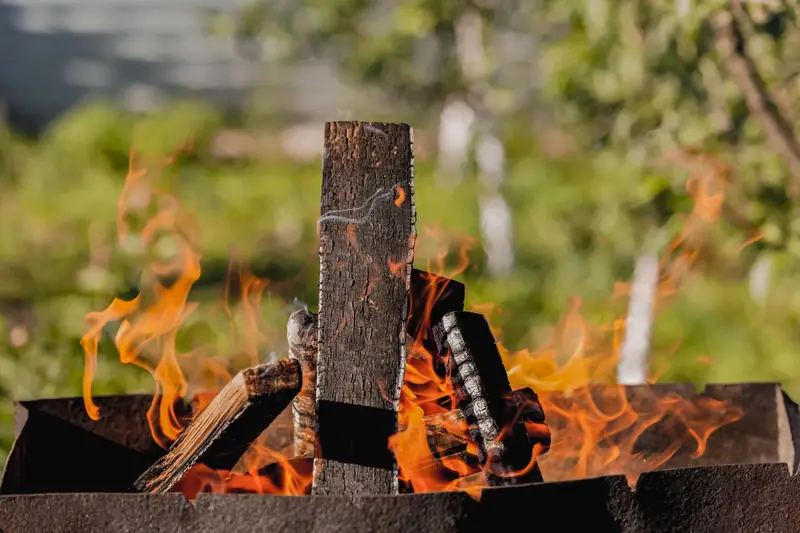
Smoking wood is a seasoning, and like any seasoning it should complement the food rather than overwhelm it. Woods range from mild and sweet to strong and assertive, and matching the intensity of the wood to the intensity of the meat is the key to balanced smoke flavor. There are no hard rules, only sensible starting points.
Products from this article
The highest-scoring picks from the buying guides this article links to. Scores are our editorial assessment, not customer ratings.
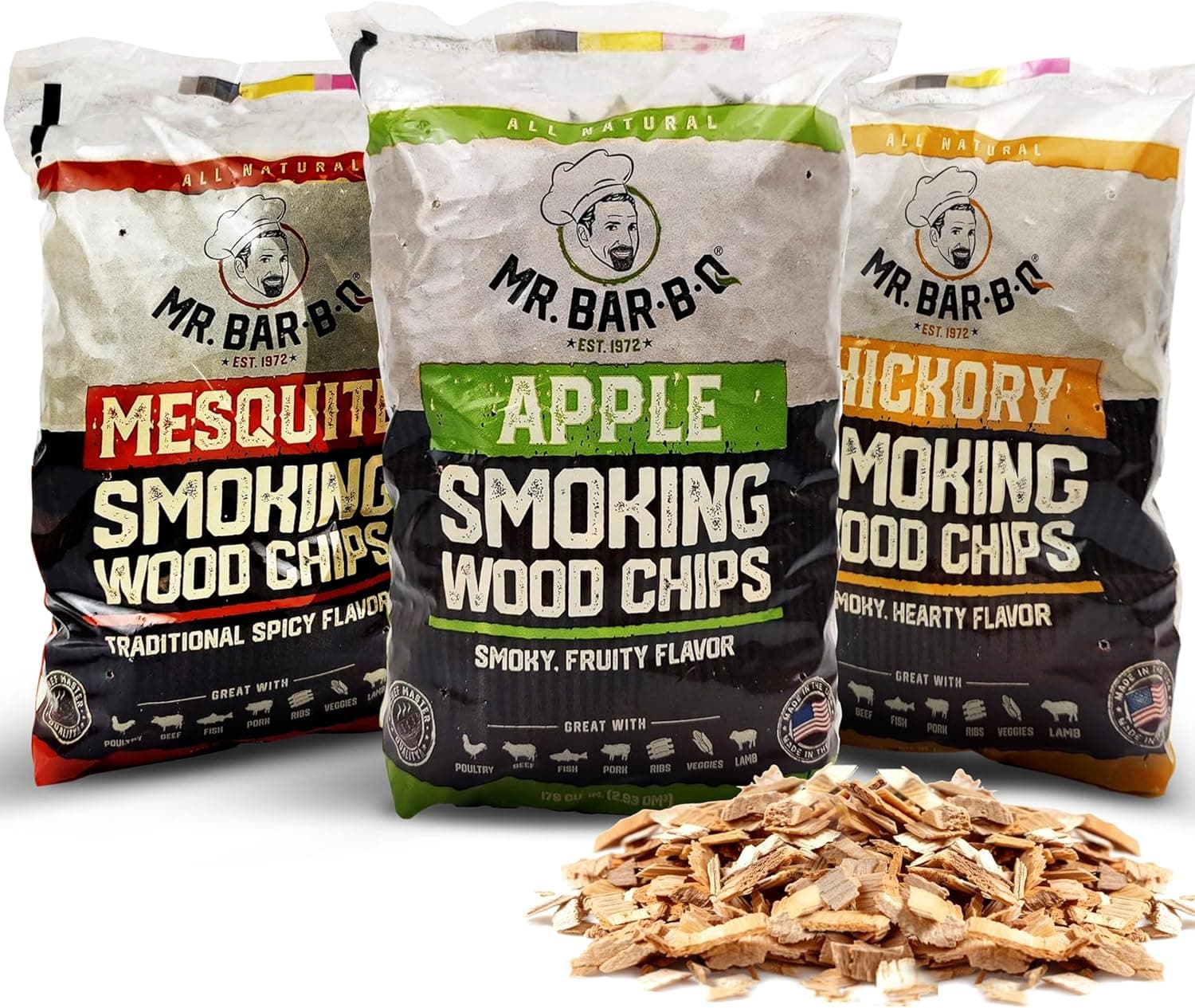
+ Bundle of 3 flavors lets you match wood to pork, beef or chicken
From our guide: Best Wood Chips for Smoking (2026)
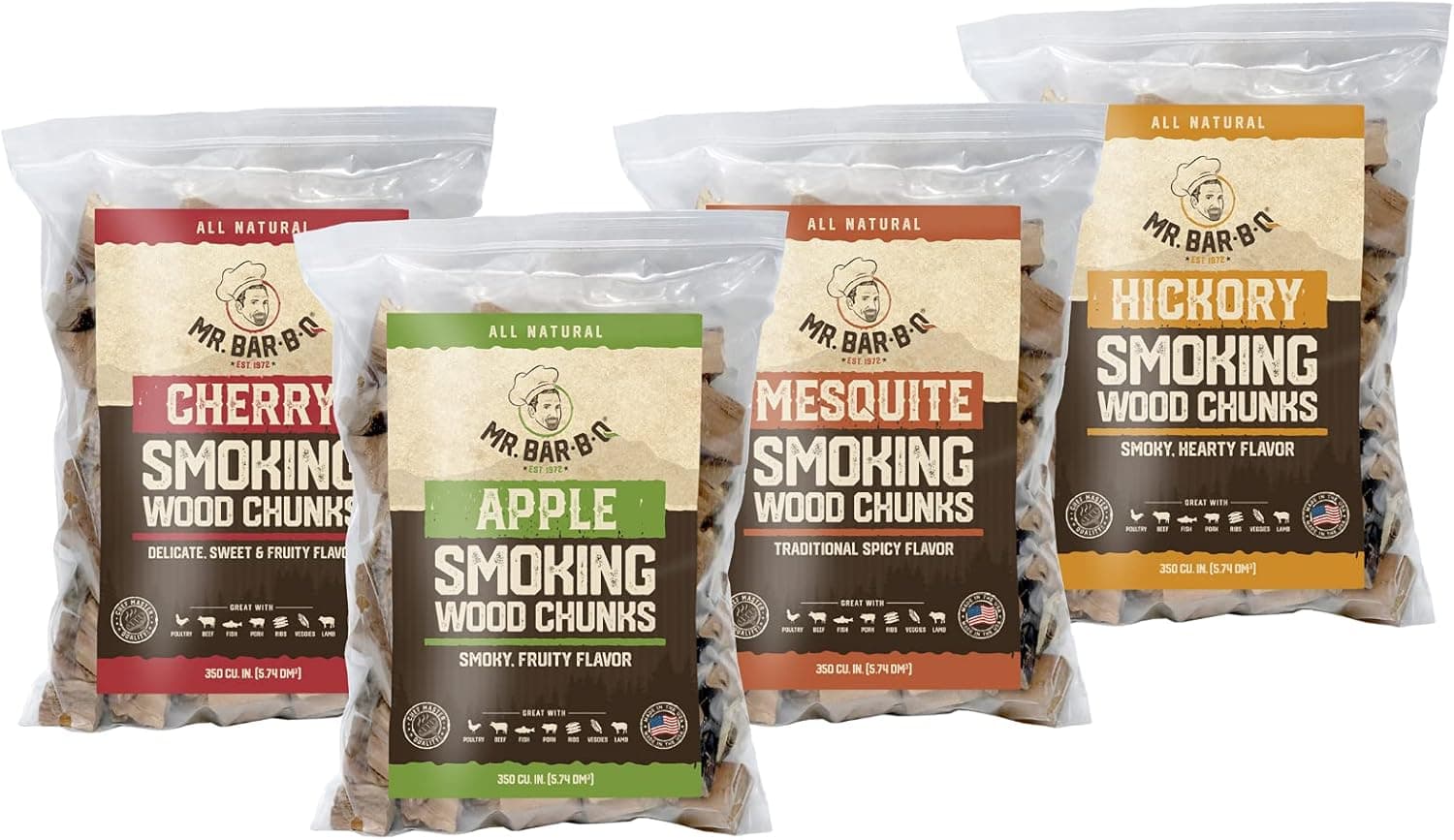
+ 4 x 3.5 lb bags provide plenty of chunks for many smokes
From our guide: Best Wood Chunks for Smoking (2026)
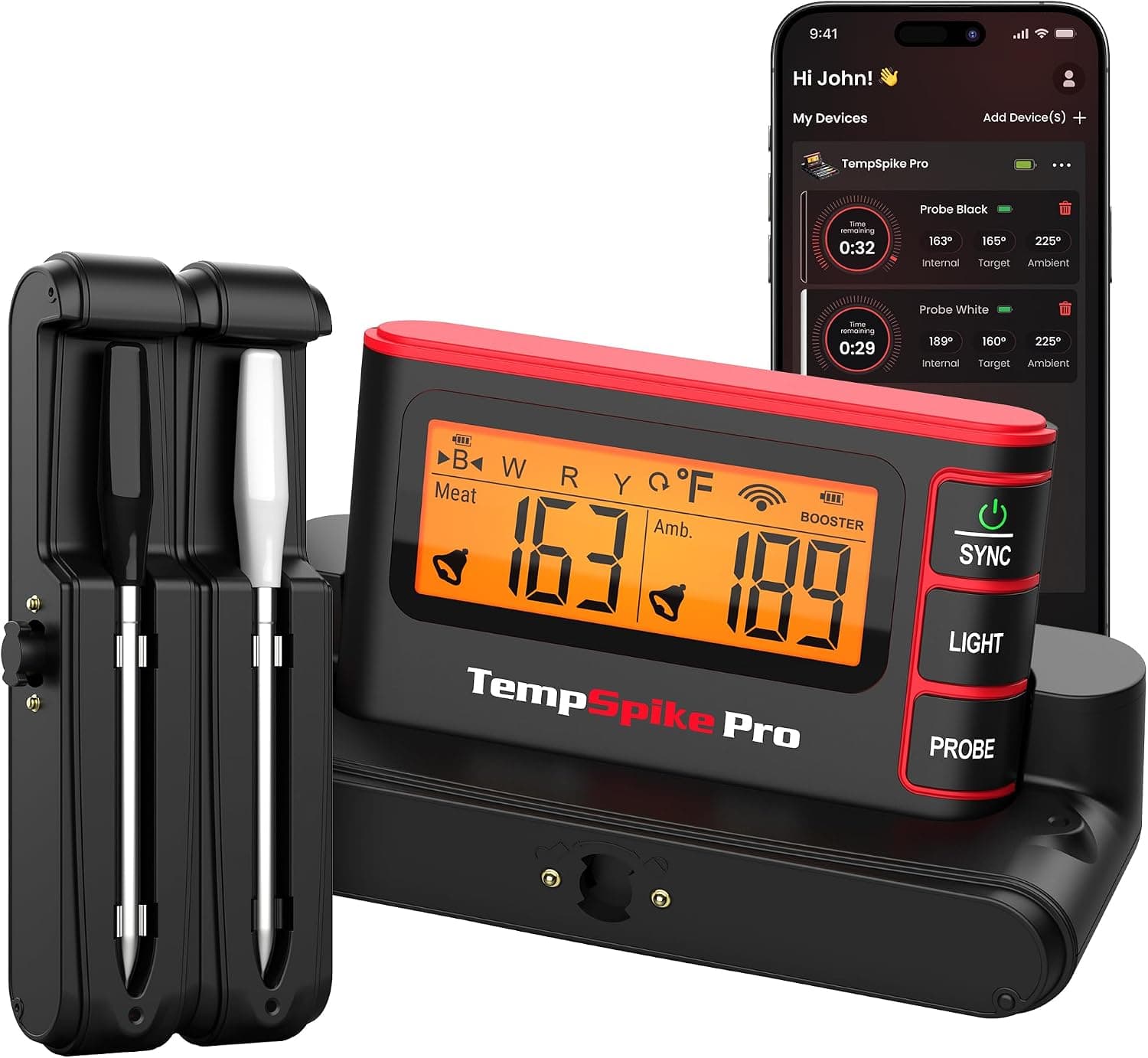
+ WiFi gives unlimited range, so you can check cooks away from home
From our guide: Best Wireless Meat Thermometers (2026)
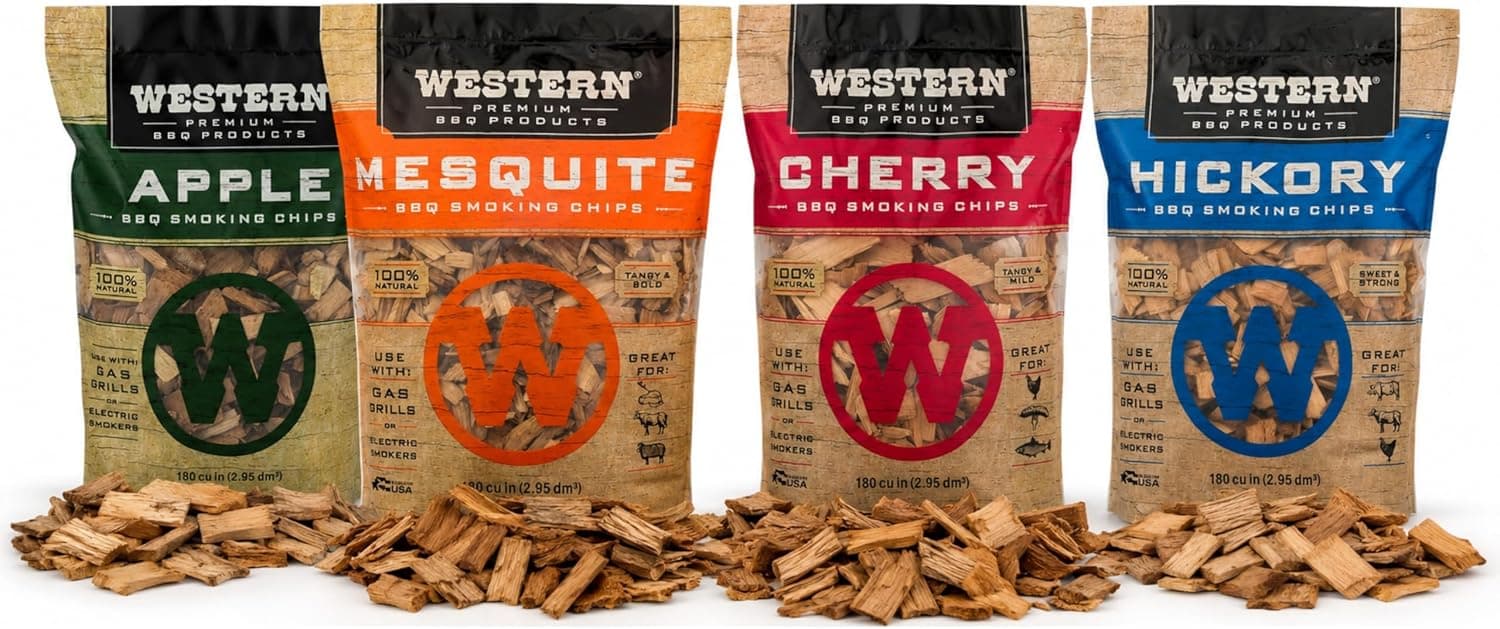
+ Four flavors cover most smoking needs from fish to brisket
From our guide: Best Wood Chips for Smoking (2026)
Fruit woods like apple and cherry are mild and slightly sweet, which makes them excellent all-purpose choices for pork and poultry. Cherry also lends an attractive dark color to the bark. Because they are gentle, fruit woods are forgiving for beginners and hard to overdo, so they are a smart place to start while you learn how much smoke you actually like.
Hickory is the classic American smoking wood, with a strong, bacon-like flavor that suits pork ribs, pork shoulder, and beef. It is bolder than fruit woods, so use it with a slightly lighter hand until you know your preference. Oak sits in a comfortable middle ground: medium strength, clean flavor, and long steady burn, which is why it is a staple for brisket and large beef cuts.
Mesquite is the most intense common wood, burning hot and fast with an earthy, almost sharp flavor. It is popular for quick grilling and Texas-style beef, but it can turn bitter over long smokes, so many cooks blend it with a milder wood rather than using it alone for hours.
Poultry and fish take smoke quickly and pair best with lighter woods. Apple, cherry, pecan, and alder are gentle enough to add aroma without turning the delicate meat acrid. For fish especially, alder is a traditional and reliable match.
Whatever wood you choose, aim for thin, bluish smoke rather than thick white or gray clouds. Clean-burning wood delivers pleasant flavor, while smoldering, oxygen-starved wood produces the harsh, creosote taste that ruins otherwise good barbecue. Start with less wood, taste your results, and adjust from there.
Popular right now
- Best Vertical Pellet Smokers for Big-Batch BBQ (2026)Buying guide
- Flare-up explainedGlossary
- Best Kettle Grills for Classic Charcoal Cooking (2026)Buying guide
- Best Charcoal Baskets (2026)Buying guide
- Best Kamado Grills for Versatile Outdoor Cooking (2026)Buying guide
- How to Smoke a Turkey for ThanksgivingArticle
Based on the last 28 days of search and visitor data.