How to Fix a Gas Grill With Low Flame and Weak Heat
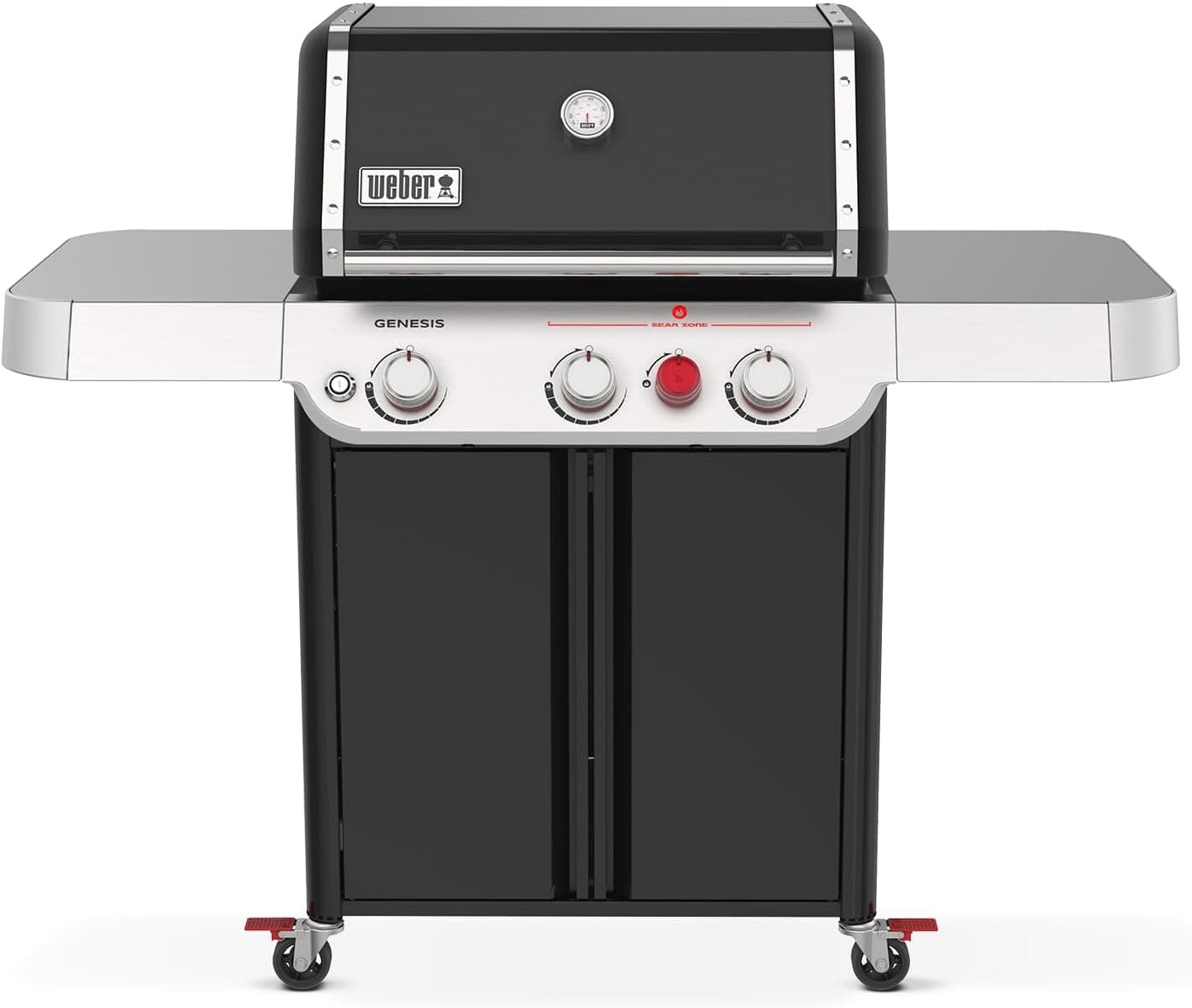
A gas grill that will not get above a low temperature, with small, weak flames even on high, is a common and frustrating problem. In many cases, the propane regulator's safety device has restricted gas flow, which is easily reset. Other causes include blocked burner ports, spider webs in the venturi tubes and a low tank. Always check for gas leaks and follow your grill manual when troubleshooting.
Reset the regulator
Most propane grill regulators include an excess flow safety device. If gas flows too quickly, such as when the tank valve is opened while burner knobs are on, the device restricts flow and the grill runs at low heat.
To reset, turn all burner knobs and the tank valve off, disconnect the regulator from the tank, wait a minute, reconnect it, then open the tank valve slowly all the way before turning on a burner. Light the grill as directed in the manual.
Check propane level and hose
A nearly empty tank or a very cold tank can reduce pressure. Weigh the tank or use a gauge to check the level, and replace it if low.
Inspect the hose for kinks, cracks or damage. Brush soapy water over connections with the tank valve open and burners off; bubbles indicate a leak, which must be fixed before using the grill.
Clean the burners
Grease, food debris and rust can block burner ports, creating uneven, weak flames. With the gas disconnected and the grill cool, remove the grates and flavourisers, then clean burner ports with a stiff wire brush or a thin tool.
Check burner tubes for corrosion or holes. Burners that are rusted through produce uneven flames and should be replaced with parts that fit your grill model.
Clear venturi tubes
Spiders and insects often build webs or nests inside venturi tubes, where gas and air mix before reaching the burners. Blockages can cause low heat, yellow flames or flames near the control knobs.
Remove the burners if possible and clean the tubes with a venturi brush or flexible pipe cleaner. A yellow, lazy flame often indicates poor air mixing; a proper flame is mostly blue with small yellow tips.
Look at heat loss
Wind blowing across the grill, an open lid and thin, poorly sealed lids make it hard to reach high temperatures. Position the grill out of strong wind and keep the lid closed while preheating for at least 10-15 minutes.
Check that the built-in thermometer is accurate by comparing it with a separate grill thermometer at grate level. Lid thermometers can read differently from actual cooking temperature.