A Beginner's Guide to Grilling Vegetables
Published How we research
Vegetables are some of the most rewarding things to cook on a grill, picking up smoky char and concentrated sweetness that you simply cannot get from a stovetop. Yet they are also easy to get wrong, ending up charred outside and raw inside or falling through the grates. A little know-how turns grilled vegetables into a highlight of the meal.
Products from this article
The highest-scoring picks from the buying guides this article links to. Scores are our editorial assessment, not customer ratings.
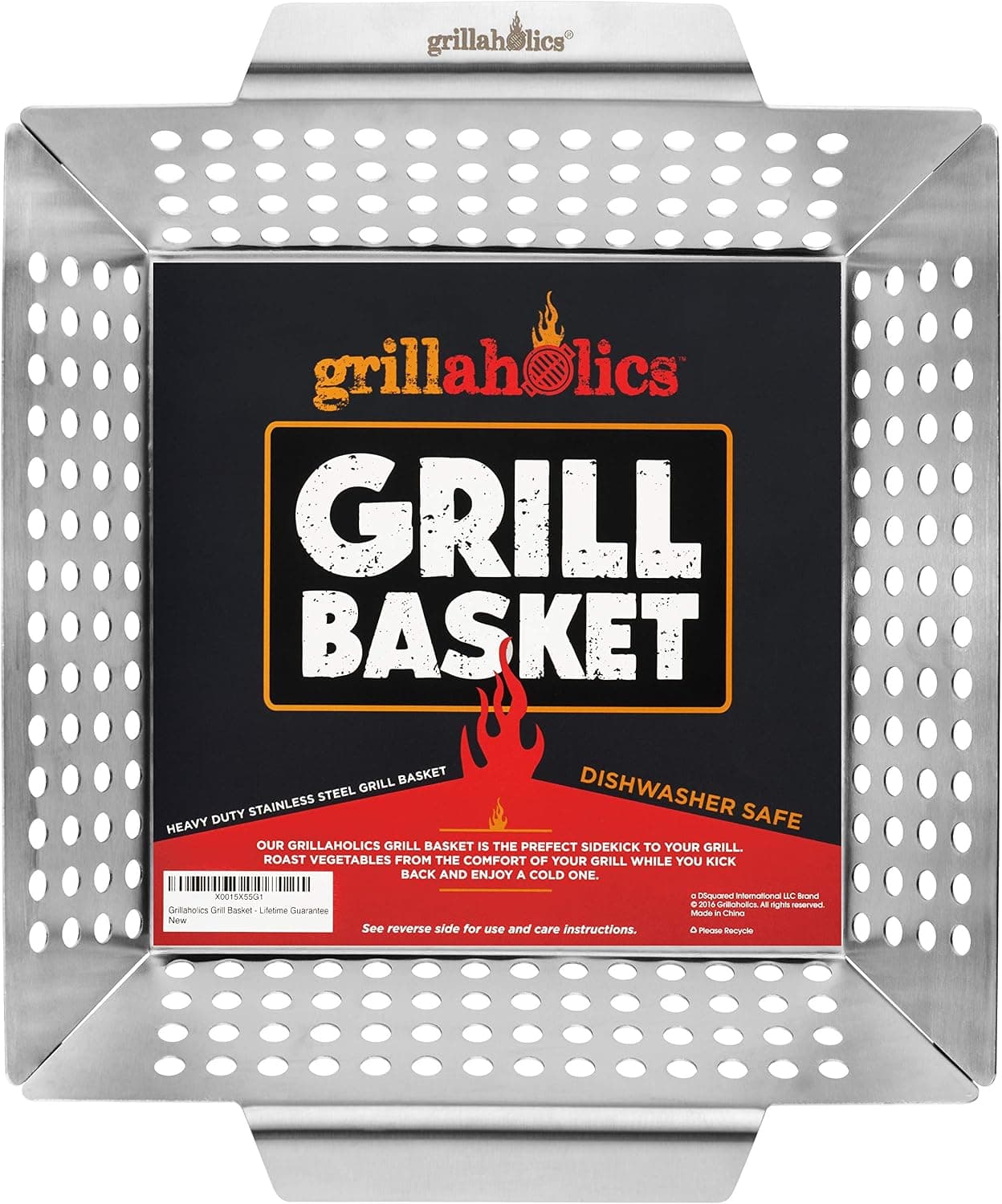
+ XL size handles vegetables for a whole family in one batch
From our guide: Best Grill Baskets (2026)
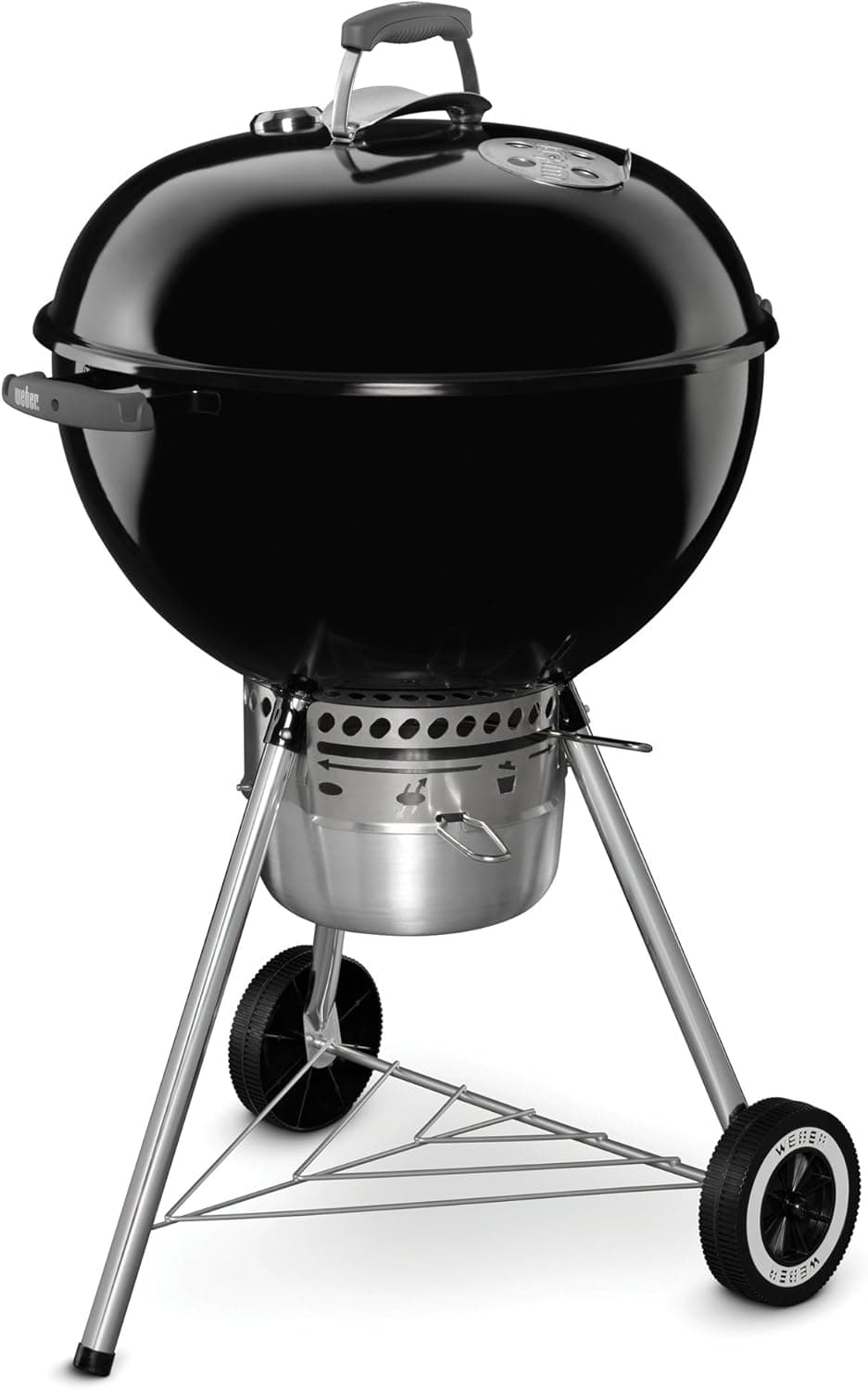
+ Premium version adds convenience upgrades over the base kettle, like easier ash cleanup
From our guide: Best Charcoal Grills for Serious Flavor (2026)
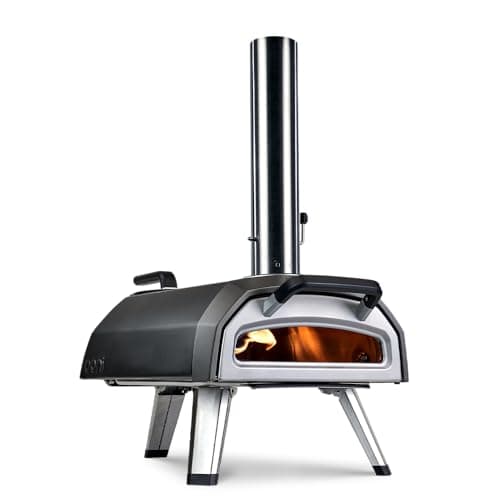
+ Reaches cooking temperature in about 15 minutes and tops out at 950 F, with 12-inch pizzas listed at roughly 60 seconds.
From our guide: Best Wood-Fired Pizza Ovens for Authentic Flavor (2026)
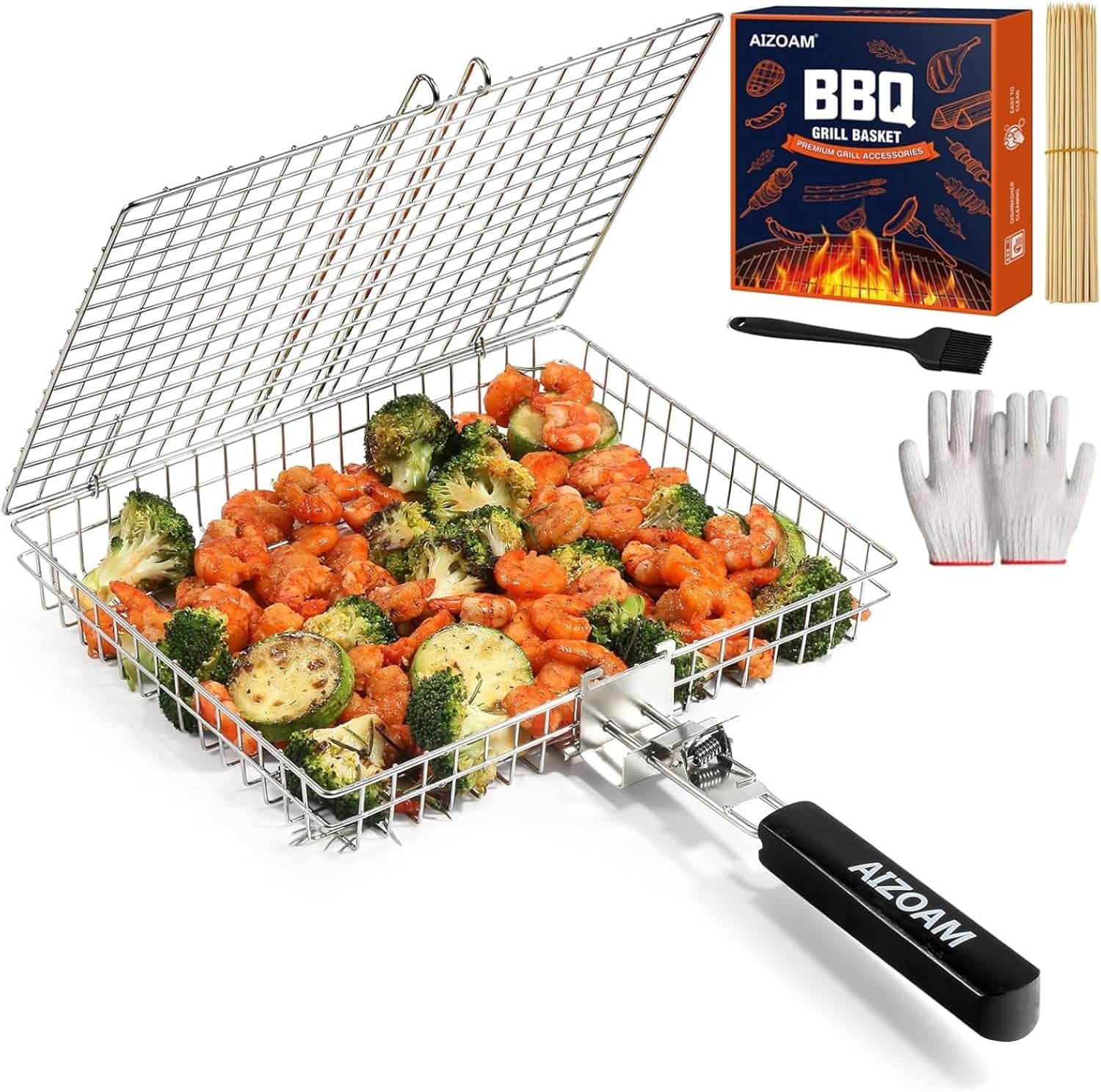
+ Removable Handle lets you close the grill lid while cooking
From our guide: Best Grill Baskets (2026)
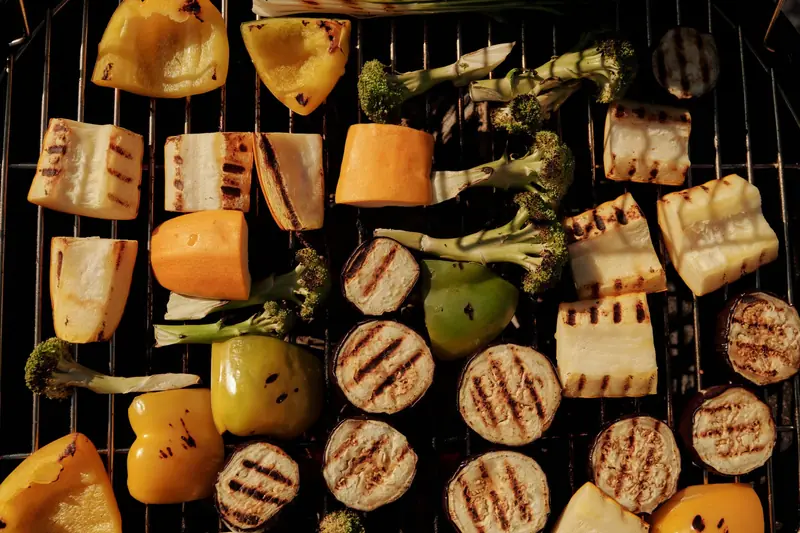
Start with prep. Cut vegetables into pieces large enough not to slip through the grates and uniform enough to cook evenly. Dense vegetables like potatoes and carrots take much longer than tender ones like zucchini or peppers, so either cut the dense ones smaller, precook them slightly, or plan for different cooking times. Small or awkward pieces do well on skewers or in a grill basket.
Oil is essential. A light coat of oil helps vegetables release from the grates, promotes browning, and carries seasoning. Toss the pieces in oil and salt just before grilling rather than long in advance, since salt can draw out moisture over time. Go easy on the oil, though, because too much drips into the fire and causes flare-ups.
Use the right heat and zones. Tender, quick-cooking vegetables love direct heat that chars them fast before they turn to mush. Denser vegetables benefit from indirect heat or a two-zone setup, cooking through on the cooler side and finishing with a quick char over the flame. Matching the vegetable to the heat is the key to avoiding both burning and undercooking.
Resist the urge to move things constantly. Let vegetables sit long enough to develop grill marks and release naturally before flipping. If a piece is stuck, it usually is not ready to turn yet. Watch for the visual cues of char and softening, and remember that many vegetables continue to soften a bit after they come off the heat.
Finish with a little acid or fresh herbs to brighten the smoky flavor, a squeeze of lemon or a splash of vinegar works wonders. Grilled vegetables are forgiving once you understand heat zones and timing, and they round out any cookout with color, flavor, and something everyone at the table will enjoy.
Popular right now
- Best Vertical Pellet Smokers for Big-Batch BBQ (2026)Buying guide
- Flare-up explainedGlossary
- Best Kettle Grills for Classic Charcoal Cooking (2026)Buying guide
- Best Charcoal Baskets (2026)Buying guide
- Best Kamado Grills for Versatile Outdoor Cooking (2026)Buying guide
- How to Smoke a Turkey for ThanksgivingArticle
Based on the last 28 days of search and visitor data.