How to Clean a Grill the Right Way
Published How we research
A clean grill cooks better, lasts longer, and is safer to use. Built-up grease is a leading cause of flare-ups and even grill fires, and stale residue on the grates gives food an off flavor. The good news is that a little routine maintenance prevents almost all of the hard work of a deep clean.
Products from this article
The highest-scoring picks from the buying guides this article links to. Scores are our editorial assessment, not customer ratings.
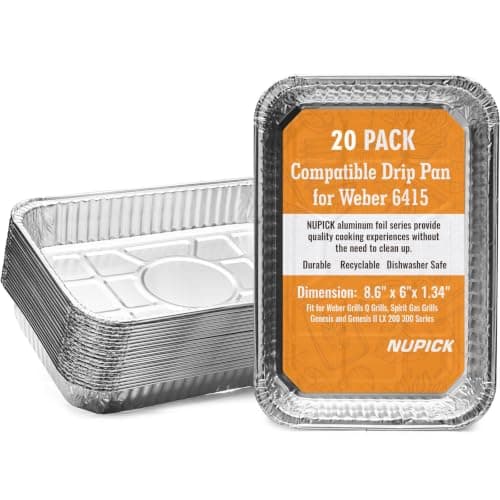
+ 1.25in depth fits shallow Weber grease trays
From our guide: Best Grill Drip Pans (2026)
+ Bristle Free design avoids loose wires ending up in food
From our guide: Best Grill Brushes (2026)
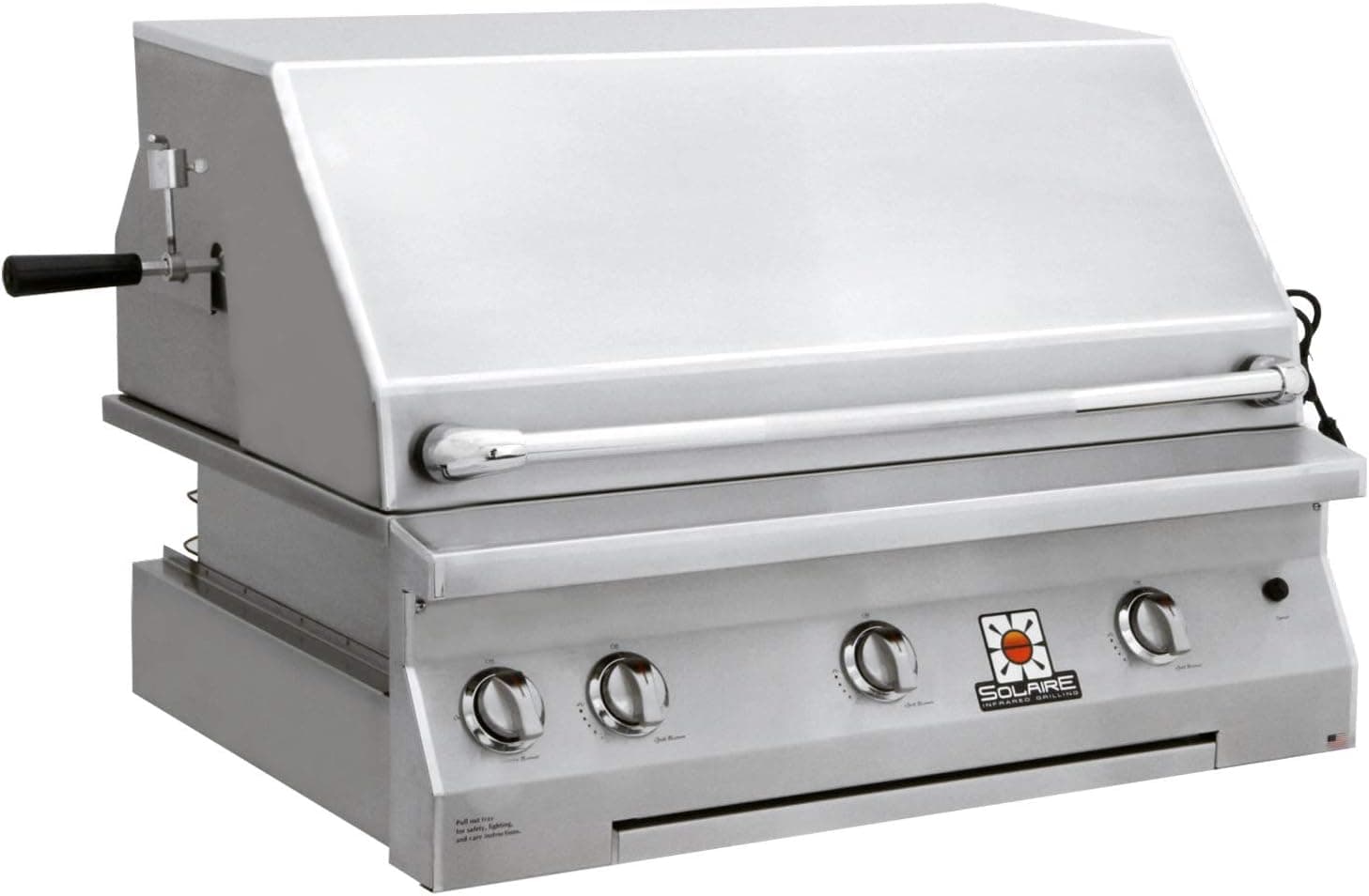
+ Included rotisserie handles whole chickens and roasts with even browning
From our guide: Best Infrared Grills for High-Heat Searing (2026)
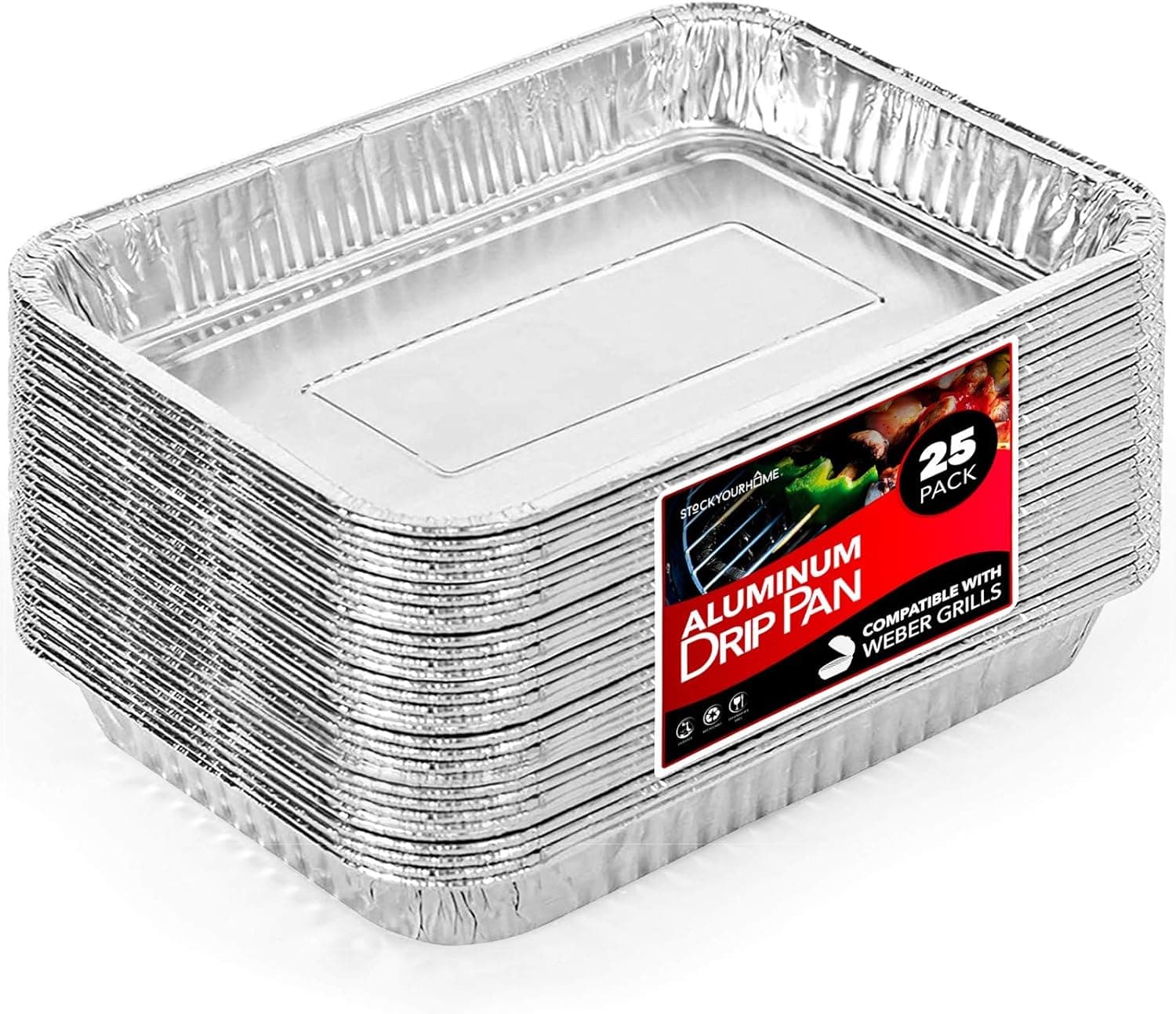
+ Listed to fit many Weber lines, including Q, Spirit, Spirit II, Genesis and Traveler grills.
From our guide: Best Grill Drip Pans (2026)
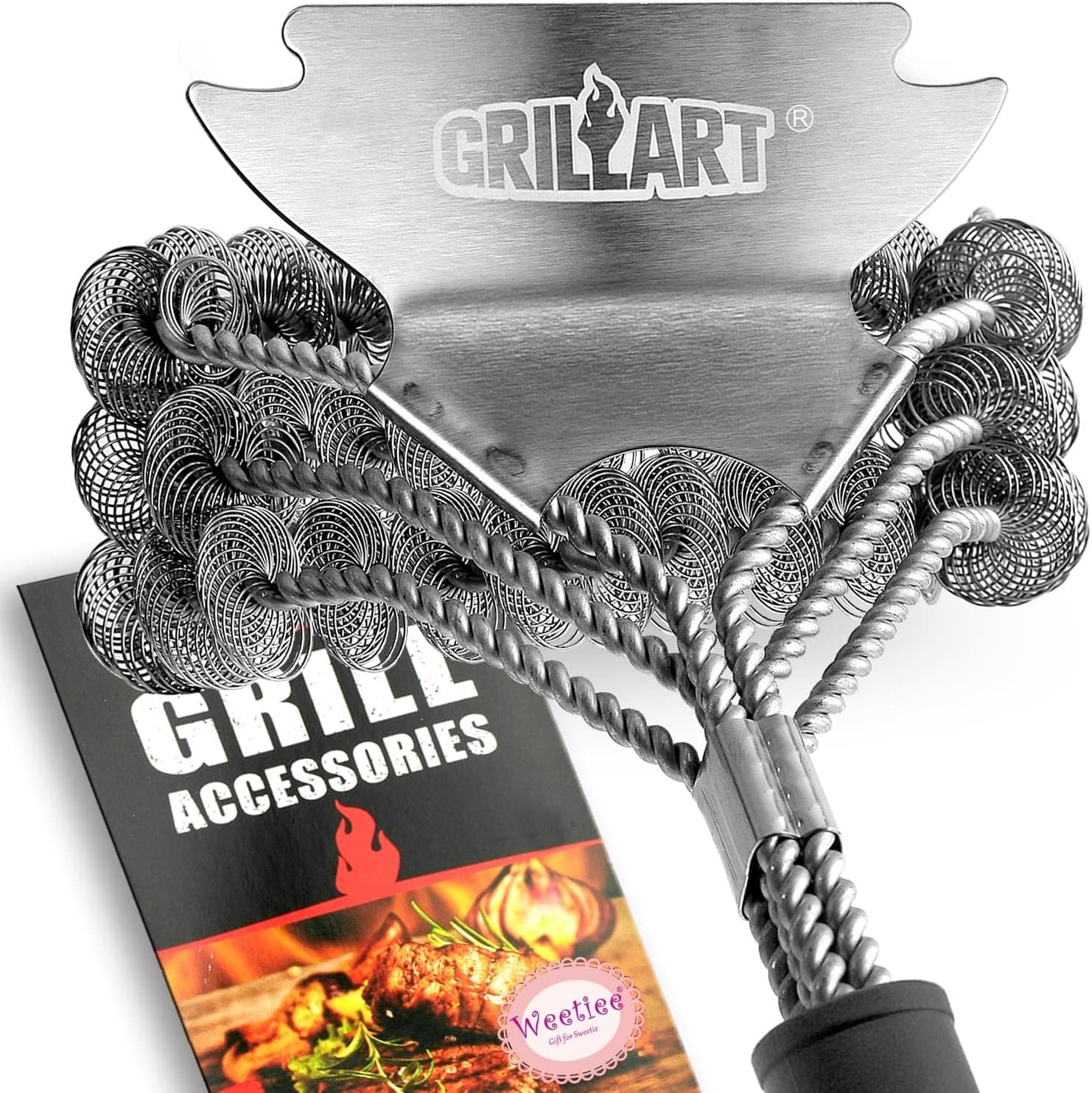
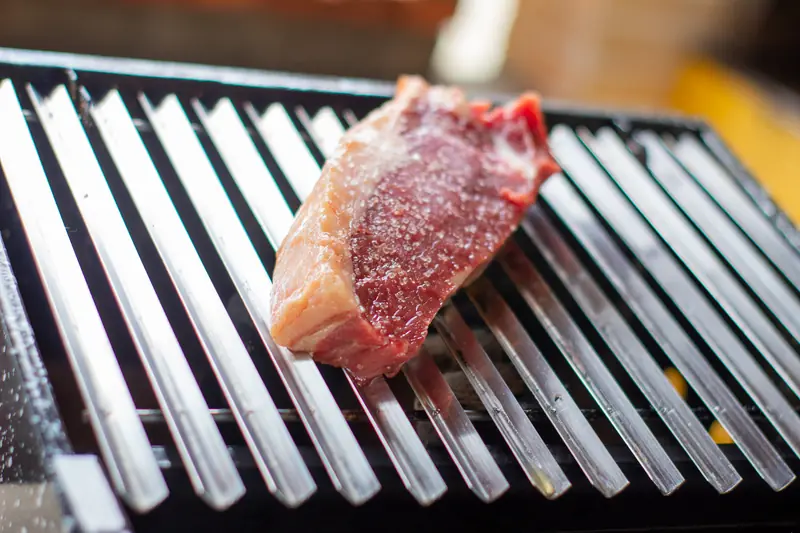
The most important habit is cleaning the grates while they are still hot. Right after you finish cooking, close the lid for a few minutes to let leftover residue carbonize, then scrub the grates with a sturdy grill brush or a bristle-free scraper. Burnt-on food releases far more easily from hot metal than cold. Always inspect the grates afterward to make sure no brush bristles were left behind.
Every so often, do a deeper clean. Remove the grates and the metal bars or plates beneath them and scrub away the accumulated grease and carbon. Empty and wipe out the grease tray and drip cup, since this is where fats collect and where fires most often start. A clogged grease channel is a hazard worth checking regularly.
For gas grills, inspect the burner tubes and their ports. Grease, rust, and even insects can block the small holes, causing uneven flames. Clear the ports with a wire or brush and make sure the flames run blue and steady. For charcoal grills, empty the ash after every cook, because ash traps moisture and accelerates rust while also blocking airflow.
Wipe down the exterior with warm soapy water and dry it to prevent rust and keep the grill looking good. Avoid harsh oven cleaners on interior cooking surfaces unless the manufacturer approves them, since residues can taint food. Once everything is clean and dry, a light coat of oil on the grates helps hold off rust between cooks.
Store the grill covered and in a dry spot if you can. Regular small efforts keep your grill performing like new and spare you the unpleasant job of scraping through a season of neglect all at once.
Popular right now
- Best Vertical Pellet Smokers for Big-Batch BBQ (2026)Buying guide
- Flare-up explainedGlossary
- Best Kettle Grills for Classic Charcoal Cooking (2026)Buying guide
- Best Charcoal Baskets (2026)Buying guide
- Best Kamado Grills for Versatile Outdoor Cooking (2026)Buying guide
- How to Smoke a Turkey for ThanksgivingArticle
Based on the last 28 days of search and visitor data.