How to Season Cast Iron Grill Grates
Published How we research
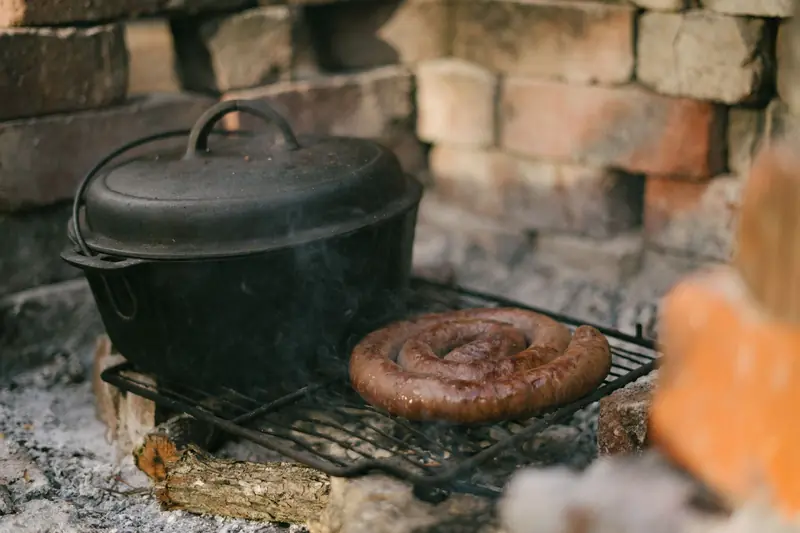
Cast iron grates are prized for their heat retention and searing power, but they demand a little care that stainless steel does not. Seasoning is the process of baking thin layers of oil onto the iron until they polymerize into a hard, naturally nonstick and rust-resistant coating. A well-seasoned grate releases food cleanly and only improves with use.
Products from this article
The highest-scoring picks from the buying guides this article links to. Scores are our editorial assessment, not customer ratings.
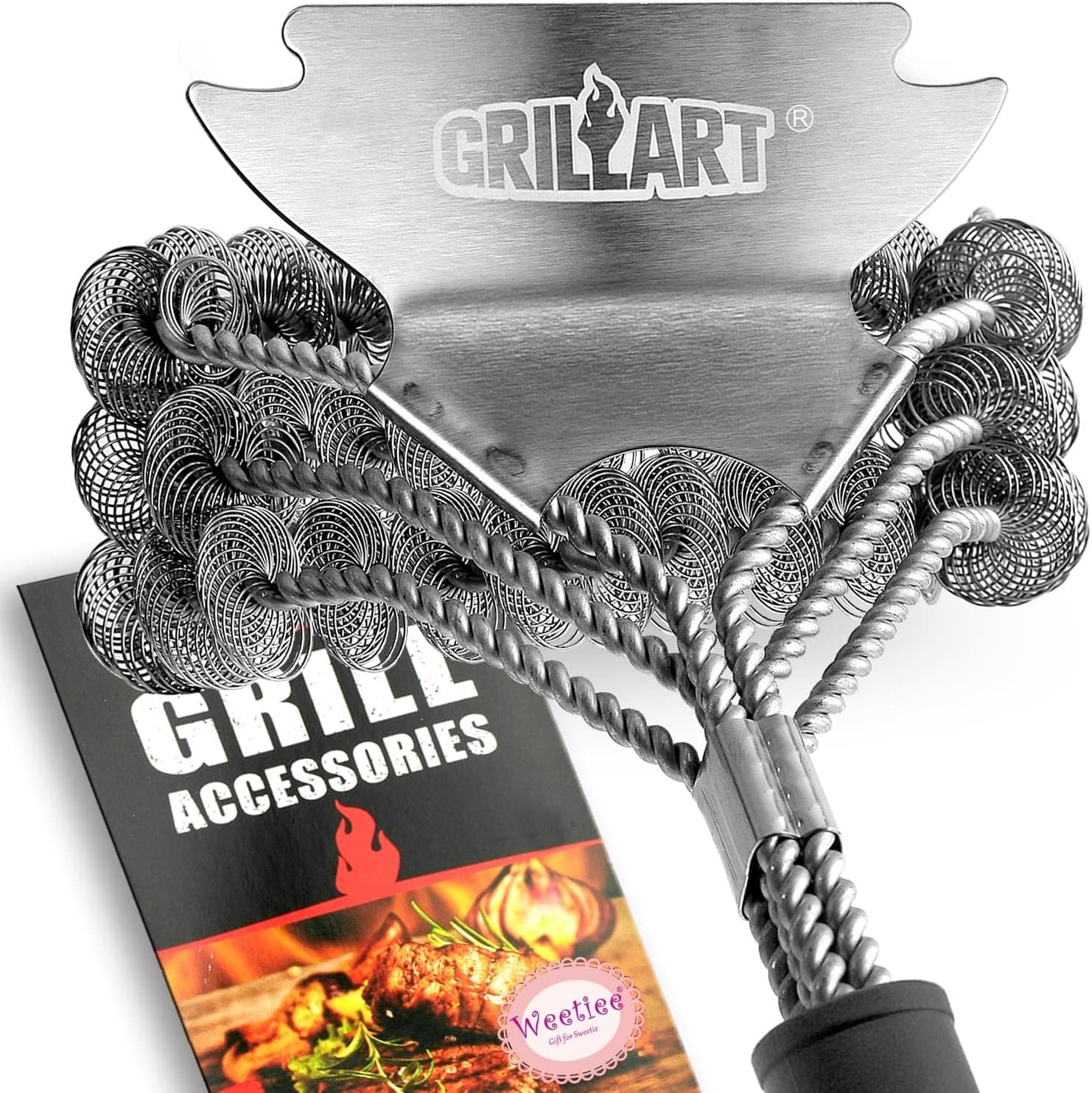
+ Bristle Free design avoids loose wires ending up in food
From our guide: Best Grill Brushes (2026)
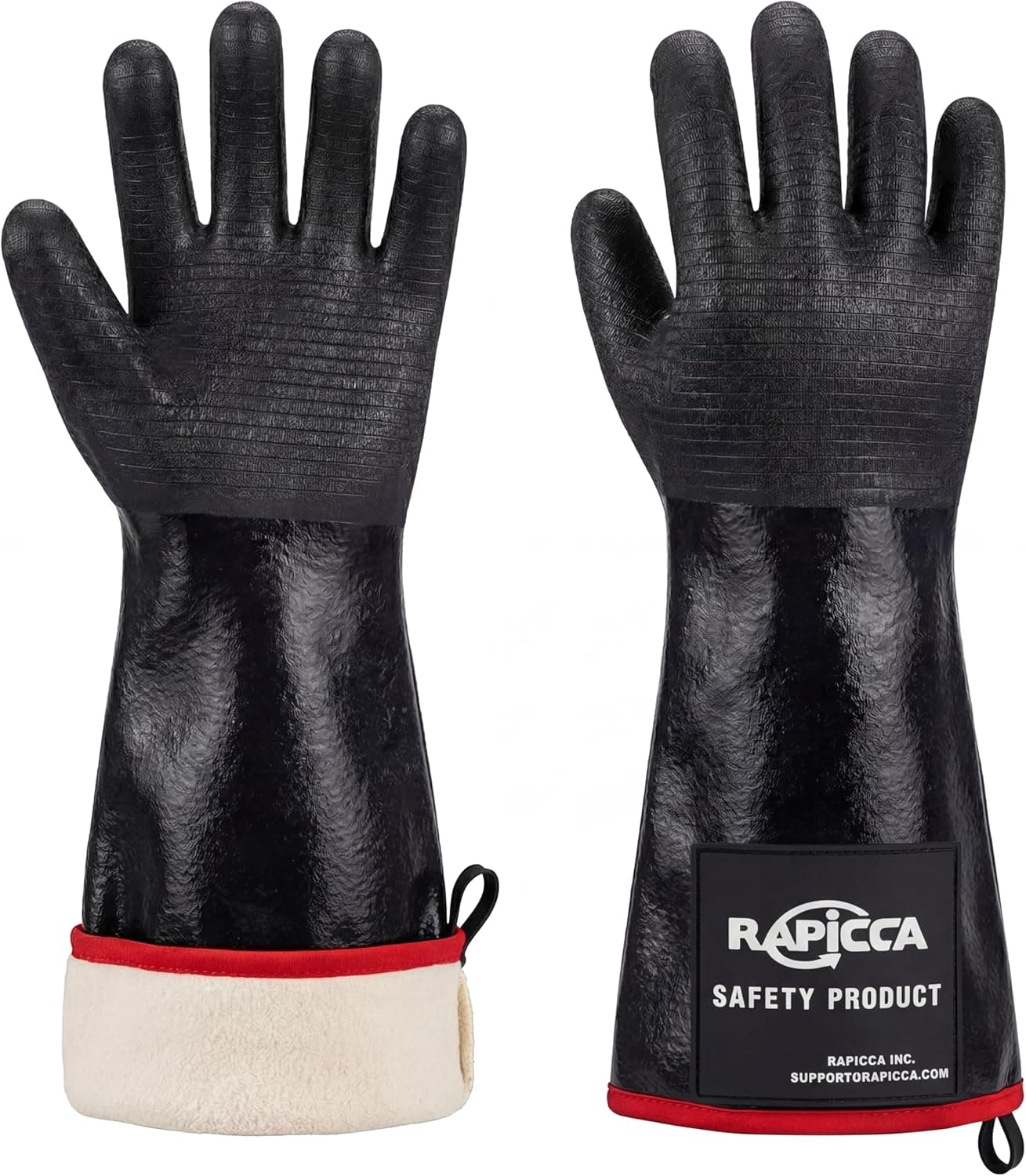
+ Oil Resistant surface makes handling pulled pork and ribs cleaner
From our guide: Best Grill Gloves (2026)
+ Non-Stick surface keeps fish and vegetables from falling apart
From our guide: Best Grill Mats (2026)
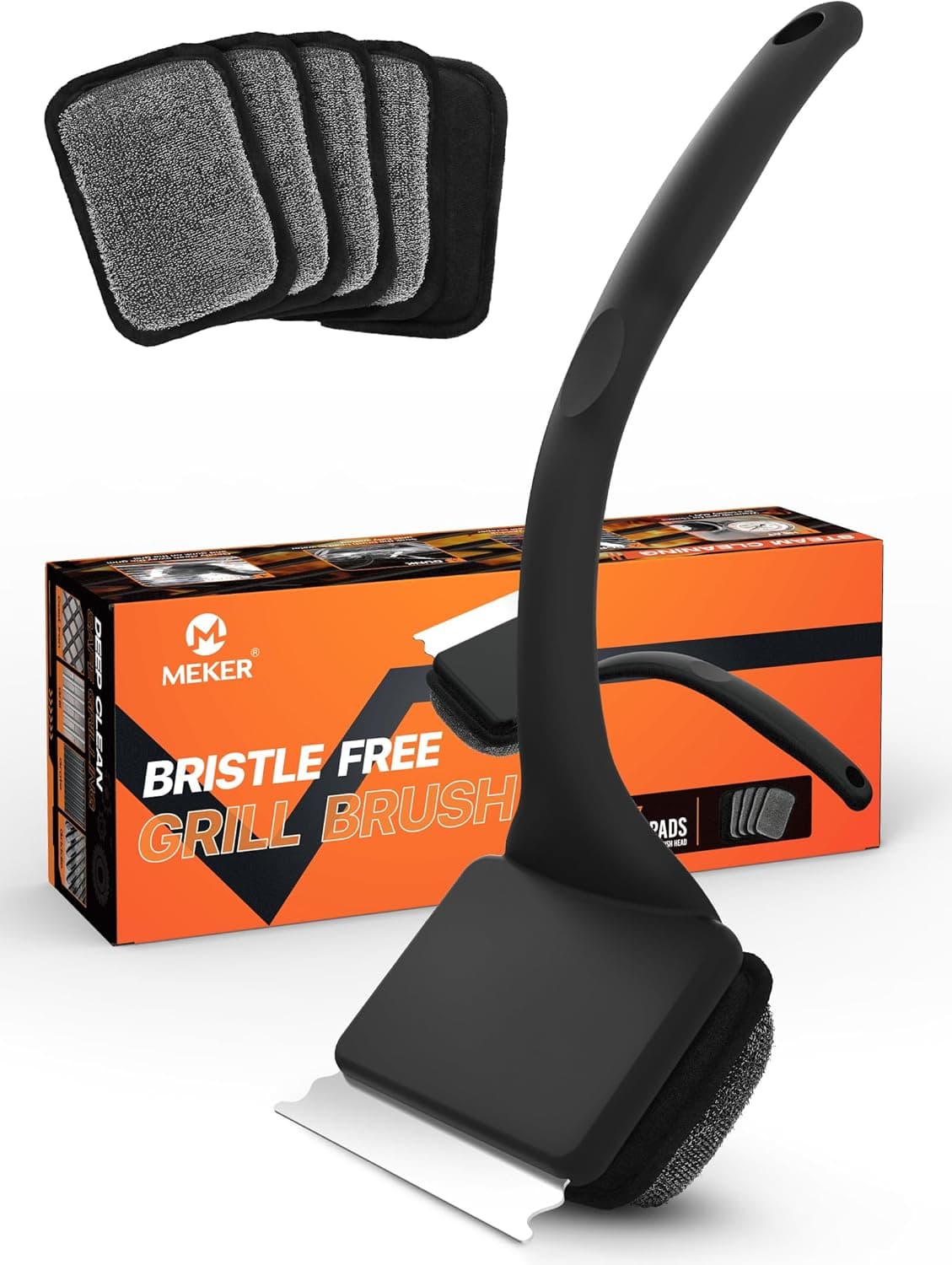
+ 5 BBQ Replacement Heads extend the life of the brush for many seasons
From our guide: Best Grill Brushes (2026)

Start with clean, dry grates. If they are new and coated with a protective factory film, or if they have surface rust, scrub them and dry them thoroughly. Any moisture left on bare cast iron will start rusting almost immediately, so make sure the metal is completely dry before you add oil.
Apply a very thin coat of a high-smoke-point oil over the entire surface, then wipe it back off so the grate looks almost dry. The most common mistake is using too much oil, which bakes into a sticky, gummy mess instead of a smooth finish. Thin is the rule: you want a whisper of oil, not a puddle.
Heat the grates until the oil passes its smoke point and bonds to the metal, either in the grill with the lid closed or in an oven. Let them heat through, then cool. Repeating this thin-coat-and-bake cycle a few times builds a more durable layer, but even a single good round is enough to start cooking.
Maintain the seasoning by cleaning gently. Scrape or brush off food while the grates are warm, and avoid soap and abrasive scrubbing that strip the coating. After cleaning, wipe on another whisper of oil while the grates are still warm to reinforce the layer and lock out moisture.
If rust does appear, it is not the end. Scrub the rust away, dry the metal completely, and re-season from bare iron. Treated this way, cast iron grates can outlast the grill they came with and reward you with the deep, even sear that makes them worth the extra attention.
Popular right now
- Best Vertical Pellet Smokers for Big-Batch BBQ (2026)Buying guide
- Flare-up explainedGlossary
- Best Kettle Grills for Classic Charcoal Cooking (2026)Buying guide
- Best Charcoal Baskets (2026)Buying guide
- Best Kamado Grills for Versatile Outdoor Cooking (2026)Buying guide
- How to Smoke a Turkey for ThanksgivingArticle
Based on the last 28 days of search and visitor data.