Why Smoked Meat Tastes Bitter and How to Fix It
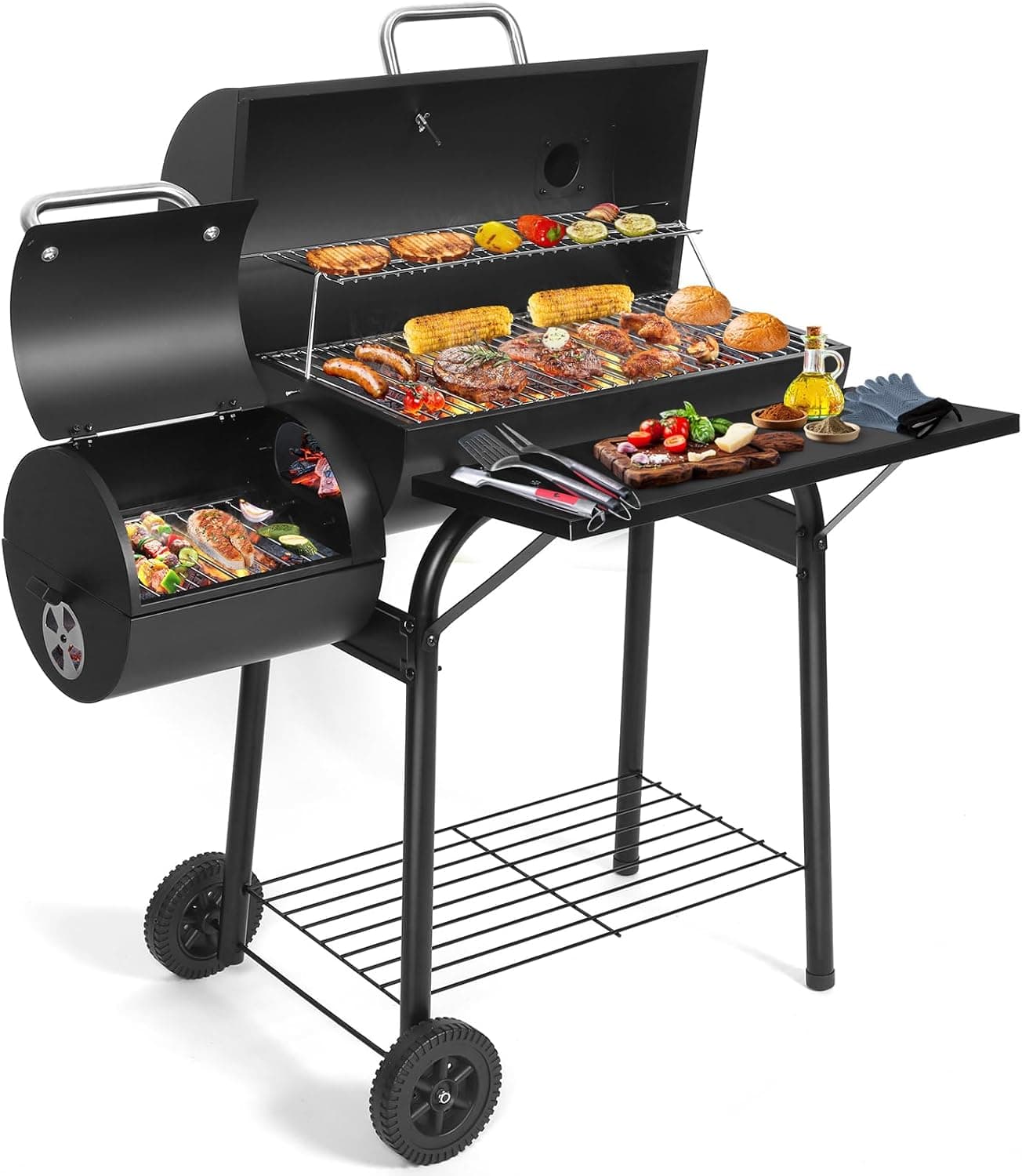
Great barbecue tastes smoky, but not bitter, sooty or tongue-numbing. Bitter flavours usually come from dirty smoke produced by smouldering wood, poor airflow or old creosote build-up. Pitmasters aim for thin, light blue smoke that is barely visible. Learning to recognise and control smoke quality is one of the biggest improvements you can make.
Recognise good and bad smoke
Thin blue or nearly invisible smoke comes from a clean, efficient fire and gives meat pleasant smoky flavour. Thick white, grey or yellow smoke indicates incomplete combustion and carries compounds that taste bitter and acrid.
It is normal to see heavier smoke briefly when adding fresh fuel or lighting the smoker. Wait for it to clear before adding meat, and adjust the fire if thick smoke continues.
Give the fire enough air
Choking the fire by closing vents too far makes wood smoulder instead of burning cleanly. Keep the exhaust vent mostly or fully open and control temperature primarily with the intake vent.
Build a small, hot fire rather than a large, smothered one. On offset smokers, preheat splits of wood on top of the firebox so they ignite quickly when added.
Use dry, suitable wood
Green or wet wood and wood with bark can produce more acrid smoke. Use seasoned hardwood, and consider removing loose bark if it causes heavy smoke. Avoid softwoods like pine, which contain resins that create bitter soot.
Too much wood is a common issue with kettles and kamados. A few chunks of wood are usually enough for a long cook, and piling in many chips creates heavy smoke rather than better flavour.
Clean the smoker
Creosote and grease buildup on lids, chimneys and grates can flake onto food and add bitter flavours. Scrape and clean the smoker regularly, and do not let the ash pan overflow, since it restricts airflow.
Some seasoning inside the cooking chamber is fine, but black, flaky residue on the lid or dripping from the chimney should be removed. Check dampers and stack for build-up that limits exhaust.
Balance smoke and time
Meat absorbs smoke most readily early in the cook while the surface is cool and moist. Heavy smoke for many hours can make poultry and fish taste harsh. Lighter woods like fruitwoods and moderate amounts of hickory or oak suit most meats.
Wrapping meat in butcher paper or foil later in the cook limits further smoke absorption. Also check rubs and sauces: burnt sugar and overly charred spices can taste bitter too.