How to Smoke Meat for Beginners: From Setup to Slicing
Published How we research
To smoke meat, cook it at a low, steady temperature, usually 225 to 275 F, in an enclosed cooker with indirect heat and smoldering hardwood, until it reaches the right internal temperature. The steps are the same on any smoker: set up the fire, stabilize the temperature, add wood smoke early, monitor the meat with a thermometer and rest it before slicing. This guide walks through each one in order.
Products from this article
The highest-scoring picks from the buying guides this article links to. Scores are our editorial assessment, not customer ratings.
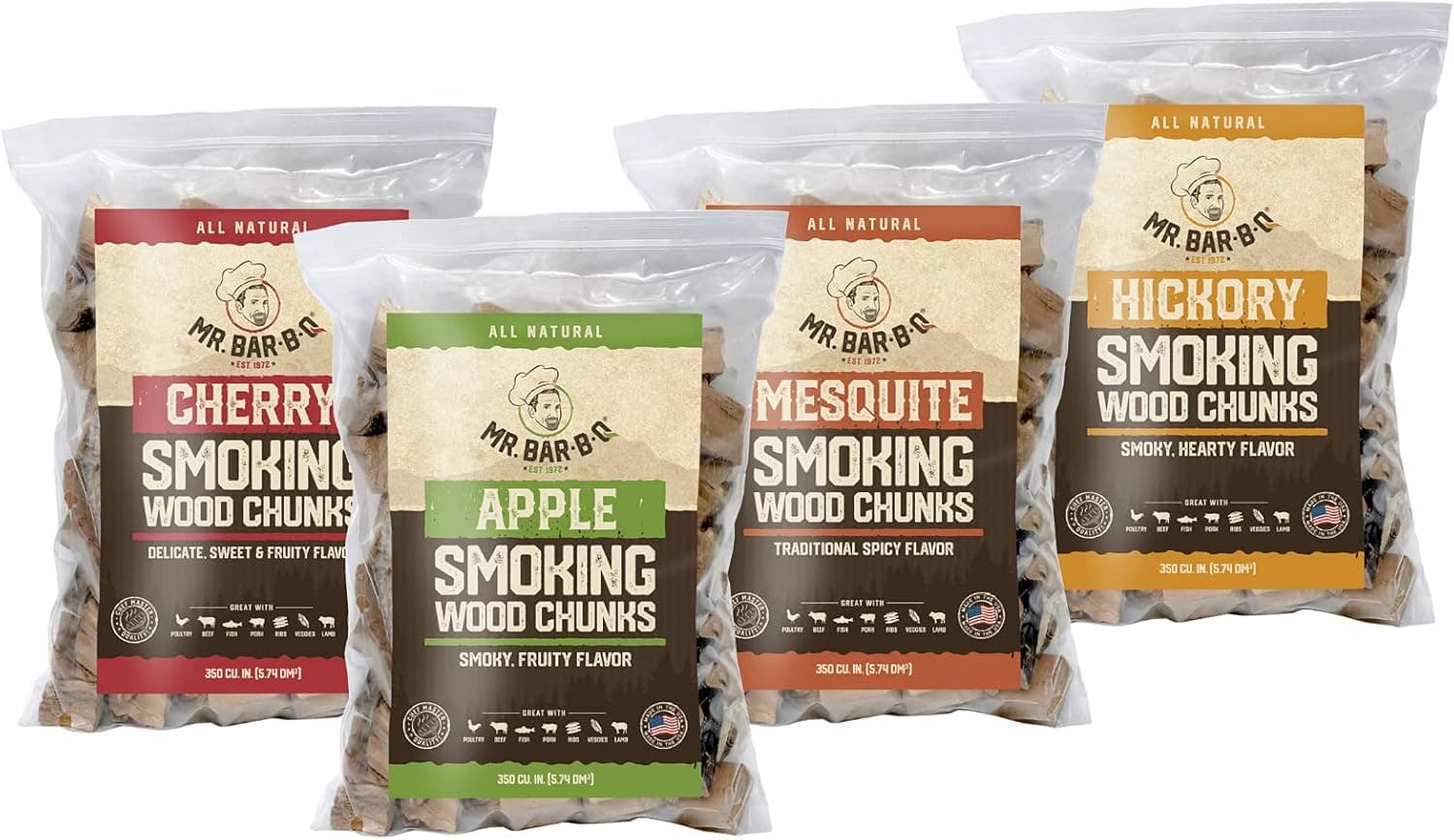
+ 4 x 3.5 lb bags provide plenty of chunks for many smokes
From our guide: Best Wood Chunks for Smoking (2026)
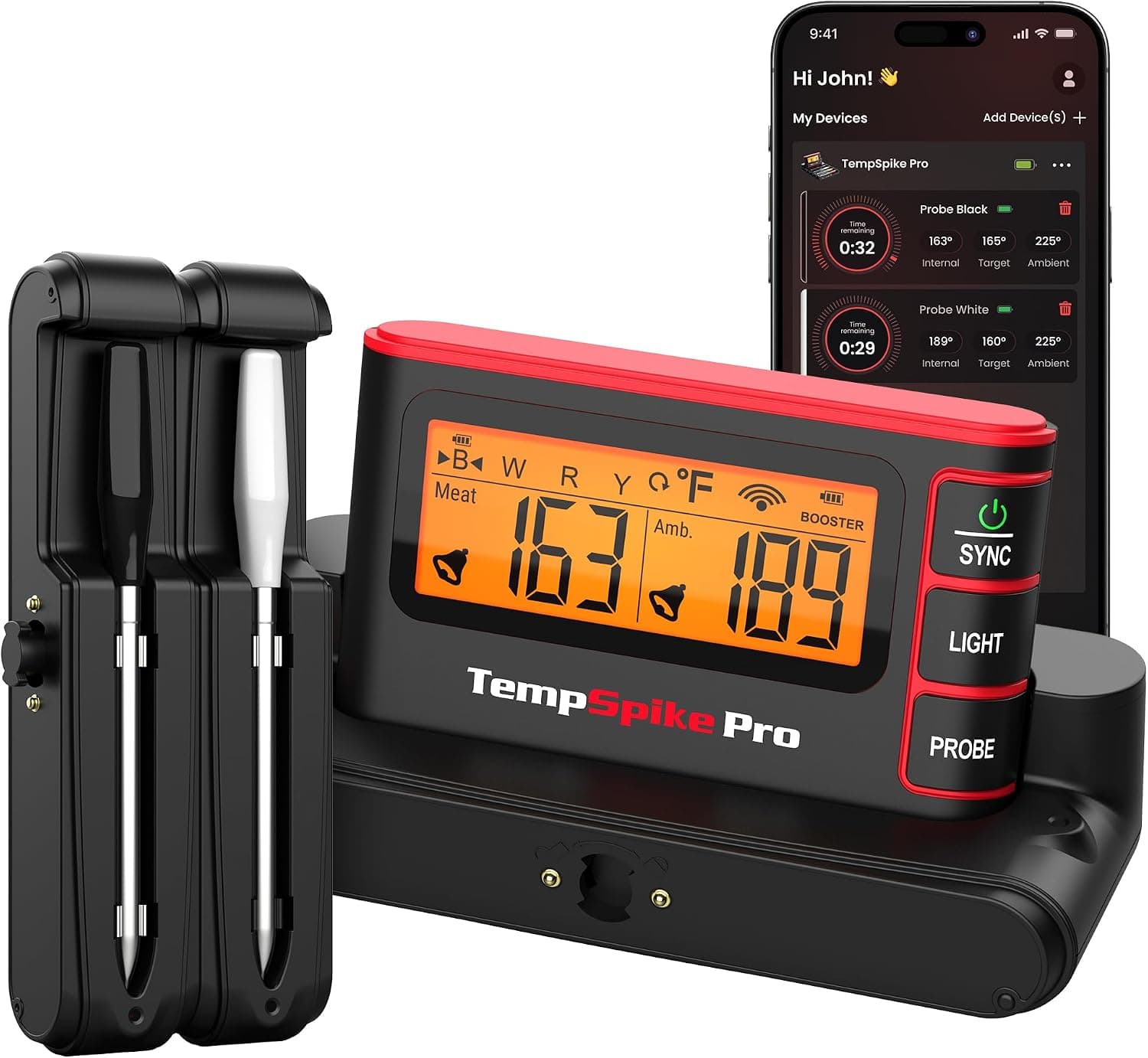
+ WiFi gives unlimited range, so you can check cooks away from home
From our guide: Best Wireless Meat Thermometers (2026)
+ Digital controls set temperature and time with push buttons
From our guide: Best Electric Smokers for Easy Home Smoking (2026)
+ Apple wood gives sweet, mild smoke for pork and chicken
From our guide: Best Wood Chunks for Smoking (2026)


Pick a cooker and a first cut
Almost any enclosed cooker can smoke meat. Pellet grills and electric smokers hold temperature on their own and suit beginners who want fewer variables. Charcoal kettles, bullet smokers, drum smokers and offset smokers take more attention but reward you with more control over fire and flavor. A gas grill can smoke too if you add a smoker box or tube and light only one burner.
For a first cook, choose something forgiving. Pork shoulder, chicken thighs, whole chicken and spare ribs are good starters because their fat and connective tissue tolerate small temperature swings. Brisket is rewarding but unforgiving, so many cooks save it for later.
Set up the fire for indirect heat
Smoking relies on indirect heat, meaning the meat sits away from the flame. On a charcoal grill, pile lit coals on one side and put the meat on the other, with a drip pan under it. On a gas grill, run one burner on low and place the meat over the unlit side. On pellet and electric units, the cooker handles this for you.
Preheat the cooker with the lid closed and let the temperature settle at your target before the meat goes in. A target of 225 to 250 F is the classic range for pork shoulder, ribs and brisket. Poultry is often cooked a bit hotter, around 275 to 325 F, so the skin renders and crisps instead of turning rubbery.
Choose wood and add smoke
Smoke flavor comes from hardwood that smolders instead of burning with a big flame. Chunks last longest and suit charcoal cookers, chips burn faster and suit boxes and tubes, and pellets feed pellet grills. Mild woods like apple and cherry suit poultry and pork, oak sits in the middle, and hickory and mesquite are stronger, so use them with a lighter hand.
Most of the smoke the meat absorbs is picked up in the first hour or two while the surface is cool and moist, so you rarely need to keep adding wood all day. Aim for thin, pale blue smoke that you can barely see. Thick white smoke leaves a bitter coating, which is covered in our article on bitter smoked meat.
Monitor temperature with probes
Time is only a rough guide, because every cut and cooker is different. Cook to internal temperature instead. Use one probe to track the cooker at grate level and another in the thickest part of the meat, away from bone. A wireless thermometer saves you from opening the lid, which loses heat each time.
Many cooks see the meat's internal temperature stall for a few hours somewhere around 150 to 170 F on large cuts like pork shoulder and brisket, as evaporation cools the surface. Be patient or wrap the meat in foil or butcher paper to push through. Expect a large cut to take roughly 1 to 2 hours per pound at 225 to 250 F, but plan extra time and use the thermometer as the final answer.
Know when it is done and safe
Safe minimum internal temperatures from the USDA are 145 F for whole cuts of pork, beef and fish with a rest, 160 F for ground meat and 165 F for poultry. Smoked cuts that need to be tender go well beyond that: pulled pork is usually taken to about 195 to 205 F, and brisket is done when a probe slides in with little resistance, typically around 200 to 205 F.
Once the meat is done, rest it. Large cuts benefit from 30 to 60 minutes wrapped loosely and held in a warm place, which lets juices redistribute. Slice brisket against the grain, and shred pork while it is still hot.
Common beginner mistakes
The first is chasing temperature by constantly adjusting vents or opening the lid. Make small changes and wait 15 to 20 minutes to see their effect. The second is using too much wood or wet, smoldering fuel that produces acrid smoke. The third is trusting the dome thermometer on the lid, which can read well off from the temperature at the meat, so verify with a probe.
Last, do not skip the rest, and do not pull meat just because the clock says so. Each cook teaches you how your own equipment behaves, so write down the cooker temperature, the wood and the finish time for next time. If your temperature keeps drifting, see our article on holding a smoker steady.
Frequently asked questions
What is the easiest meat to smoke first? Chicken thighs, whole chicken, spare ribs and pork shoulder are forgiving starters. Brisket is better after a couple of easier cooks.
What temperature should I smoke meat at? Most low-and-slow cuts do well at 225 to 250 F. Poultry is often smoked closer to 275 to 325 F for better skin.
Do I need to soak wood chips? Soaking is not necessary and mostly delays smoke while the water steams off. Dry wood produces cleaner smoke once it starts smoldering.
Can I smoke meat on a regular gas or charcoal grill? Yes. Set up indirect heat, keep the temperature low and add wood chunks or chips in a smoker box, tube or on the coals.
Popular right now
- Best Vertical Pellet Smokers for Big-Batch BBQ (2026)Buying guide
- Flare-up explainedGlossary
- Best Kettle Grills for Classic Charcoal Cooking (2026)Buying guide
- Best Charcoal Baskets (2026)Buying guide
- Best Kamado Grills for Versatile Outdoor Cooking (2026)Buying guide
- How to Smoke a Turkey for ThanksgivingArticle
Based on the last 28 days of search and visitor data.