How to Use a Grill Rescue Brush: Steps, Safety and Care
Published How we research
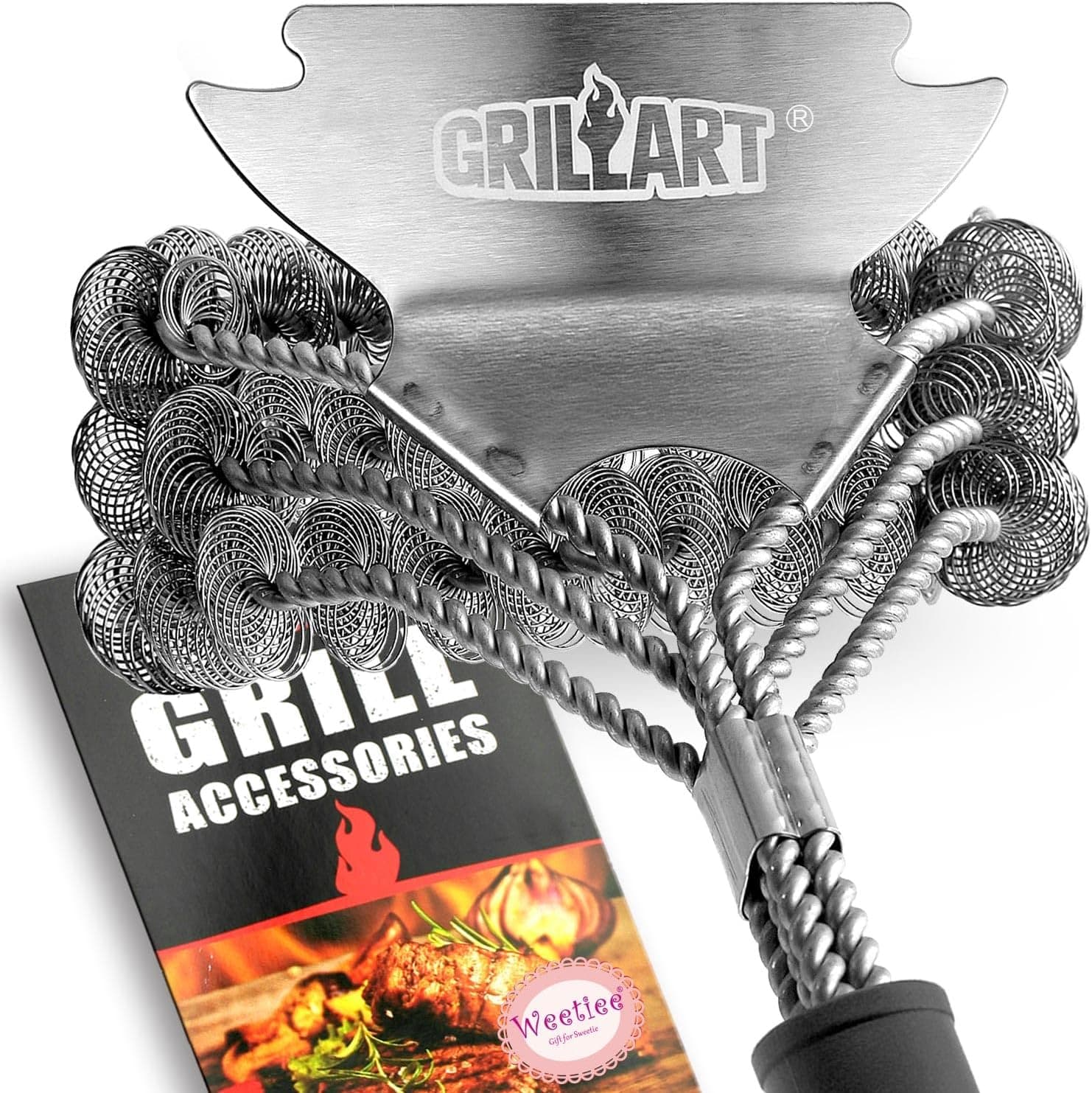
To use a Grill Rescue style brush, heat the grill for about 10 to 15 minutes, scrape the grates with firm strokes along the bars, then wipe them down and inspect the grates before you cook. These brushes are built around a replaceable scraping or scrubbing head instead of loose wire bristles, so the technique is a little different from an old-school wire brush. Here is the routine, the safety points that matter most and how to keep the head working.
Products from this article
The highest-scoring picks from the buying guides this article links to. Scores are our editorial assessment, not customer ratings.
+ Bristle Free design avoids loose wires ending up in food
From our guide: Best Grill Brushes (2026)
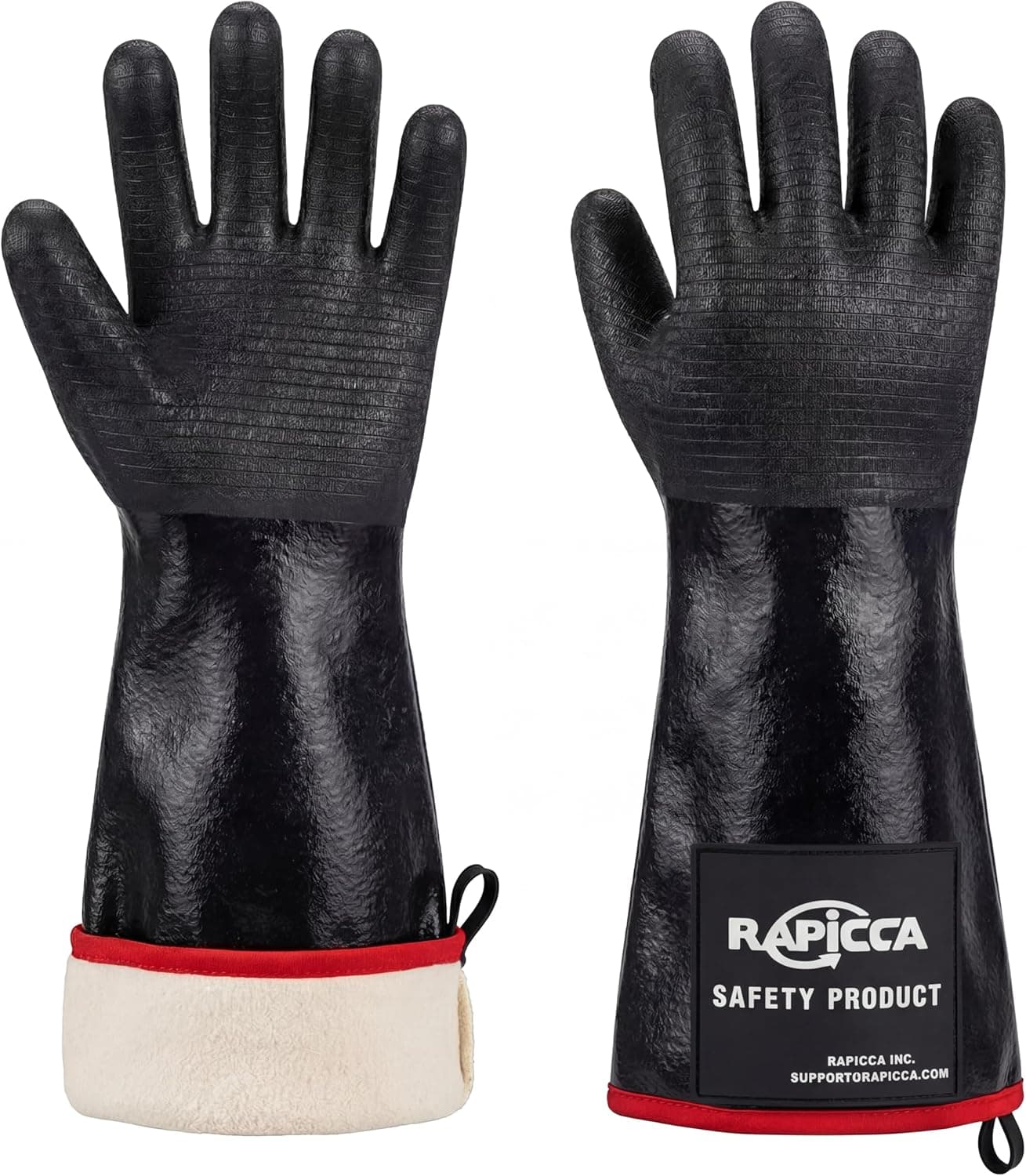
+ Oil Resistant surface makes handling pulled pork and ribs cleaner
From our guide: Best Grill Gloves (2026)
+ 21 Inch length reaches into kamados and smoker fireboxes
From our guide: Best Ash Tools for Grills and Smokers
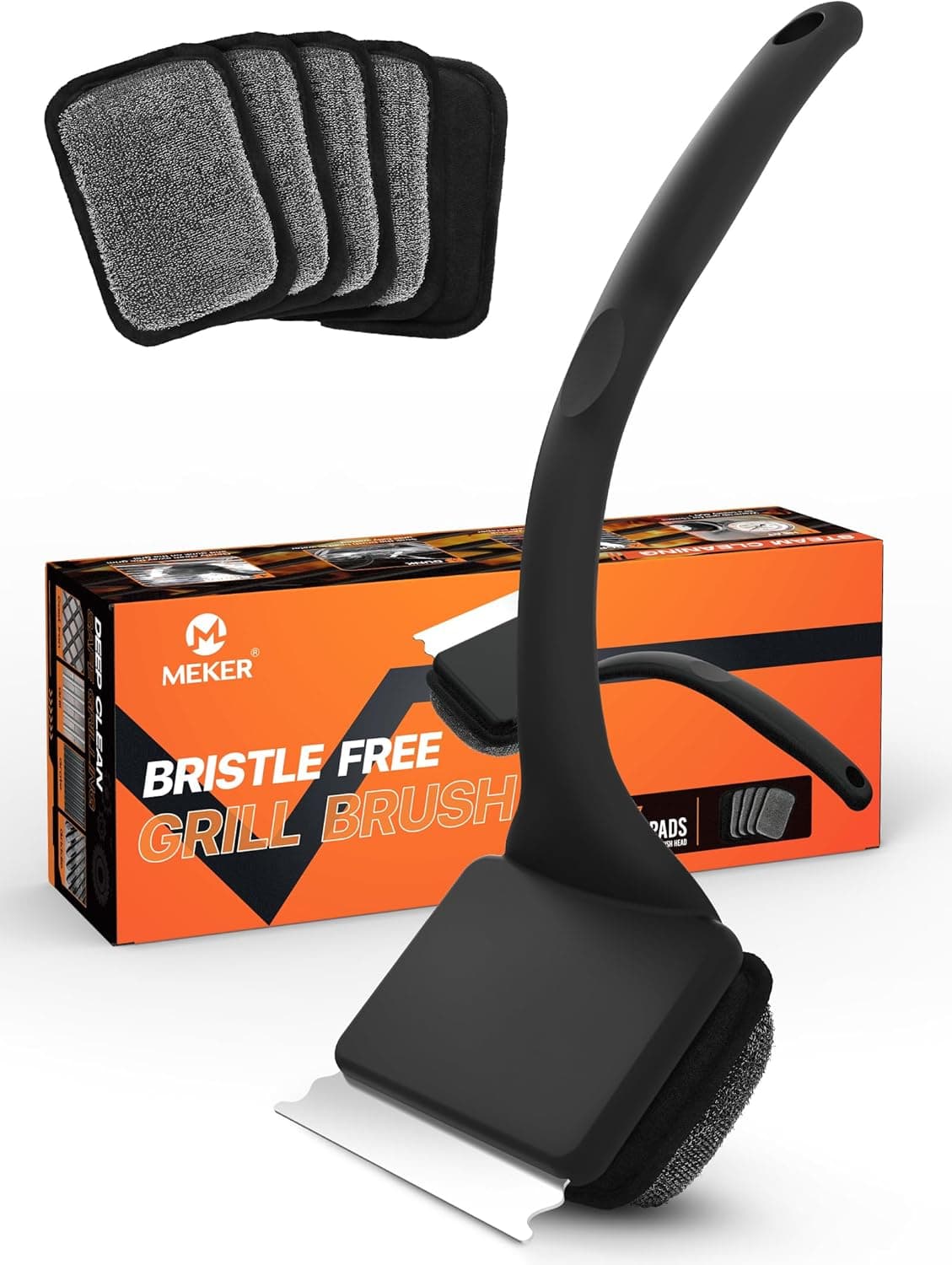
+ 5 BBQ Replacement Heads extend the life of the brush for many seasons
From our guide: Best Grill Brushes (2026)

What a bristle-free grill brush is
A traditional grill brush uses coiled stainless steel wire bristles. Over time those bristles loosen, and a broken bristle can end up stuck in the grates and then in food. Bristle-free designs avoid that risk by using a scraper edge, a woven metal scrubbing pad or a coil of material that is part of a replaceable head, so there are no loose wire ends sitting in the brush.
Grill Rescue is one well-known name in this style, and many other makers sell similar tools with a replaceable head on a long handle. The basic habits in this article apply to the whole category. Always read the instructions that come with your specific model, because head material, heat limits and any wetting steps differ from one brand to the next.
When to clean: hot, warm or cold
Most grill cleaning is easiest while the grates are hot, because burnt-on grease and sugars turn brittle and flake off with a scrape. The usual routine is to preheat with the lid closed for about 10 to 15 minutes, then clean just before the food goes on. Cleaning right after cooking, while the grates are still warm, also works well and means the next cook starts with a clean surface.
Hot grates are also where most injuries happen. Use a brush with a long handle, keep your hand and forearm well back from the grate and wear a heat-resistant grill glove if you are working over a lit burner. Do not lean over the grill, and never use a brush near a flare-up. If your brush instructions say to use it only when the grill is cool, follow them, since some plastic or wooden parts will not tolerate heat.
Step by step: scraping the grates
First, open the lid and check that the head is seated firmly on the handle. A loose head is the most common reason a brush wears out early or leaves debris behind. Then work in strokes that run along the length of the grate bars rather than across them. Moving along the bar keeps the scraper in contact with the metal and pushes residue toward the open gaps instead of grinding it into the surface.
Use firm, steady pressure and go over each bar a few times. For stubborn spots, hold the scraper edge against the buildup and push through it in short passes instead of scrubbing in circles. When the grate looks clean, wipe it with a folded paper towel held in long tongs, or a cloth, to pick up any loose bits. Finally, brush a thin film of high smoke point oil onto the bars with tongs and a cloth, which helps food release and protects the metal.
Checking the grill after you brush
Medical journals have published case reports of people injured by swallowing loose wire bristles from grill brushes, so a quick inspection is good practice with any brush. After cleaning, look over the grates in good light. Run a clean cloth or paper towel across the bars and check that nothing metallic caught on it. Also look at the brush head itself for gaps, cracks or pieces that look worn through.
If you still own an older wire bristle brush, check it before every use and replace it as soon as bristles look bent, loose or rusty. Many cooks simply switch to a bristle-free tool or a ball of aluminum foil held in tongs, which removes the risk altogether. Keep in mind that scraping removes debris but does not sanitize the grate; the heat of cooking does the rest.
Caring for the brush and replacing the head
After each session, knock off loose debris and let the head cool completely before you handle it. Rinse it or wash it only as the maker recommends, then let it dry fully, since a damp metal head left in a garage or grill cabinet will rust. Store the brush where the head will not get crushed or sit in standing water.
Replace the head when the scraping edge rounds off, when the woven pad starts to shed or unravel, or when it no longer cleans in a couple of passes. Replacement heads are cheaper than a new brush, but only buy ones made for your exact handle. Cast iron and porcelain-coated grates can be scratched by hard scrapers, so check the grate maker's cleaning advice before you press hard.
Common mistakes to avoid
The biggest mistake is cleaning only occasionally. Buildup layered over weeks needs far more force to remove, and heavy force is when brushes slip and hands get burned. A quick scrape every time you cook takes under a minute and keeps the job easy. The second mistake is spraying water or cleaner on a hot grate, which can cause steam burns and thermal shock to cast iron or porcelain.
Also avoid brushing a grill that is still holding a thick layer of grease at the bottom of the firebox. Grease buildup is a fire hazard regardless of how clean the grates are, so empty the drip tray and scrape out the bottom on a regular schedule. For a full teardown routine, our guide to cleaning a grill covers the burners, firebox and exterior.
Frequently asked questions
Can I use a grill brush on a cold grill? Often yes, but grease and sugars are harder to remove when cold. Many people preheat the grill for 10 to 15 minutes and then scrape. If your brush instructions limit use to cool or warm surfaces, follow them.
Are bristle-free brushes really safer than wire brushes? They remove the risk of loose wire bristles, which is the main hazard with wire brushes. They still need care around hot grates, and you should still inspect the grill after cleaning.
How often should I replace the head? There is no fixed schedule. Replace it when the scraping edge or pad is worn, damaged or no longer cleans well, and always use a head designed for your handle.
Can I use the brush on porcelain or cast iron grates? Many people do, but hard scrapers can chip porcelain and scratch coatings. Check the grate manufacturer's guidance and use moderate pressure.
Popular right now
- Best Vertical Pellet Smokers for Big-Batch BBQ (2026)Buying guide
- Flare-up explainedGlossary
- Best Kettle Grills for Classic Charcoal Cooking (2026)Buying guide
- Best Charcoal Baskets (2026)Buying guide
- Best Kamado Grills for Versatile Outdoor Cooking (2026)Buying guide
- How to Smoke a Turkey for ThanksgivingArticle
Based on the last 28 days of search and visitor data.